


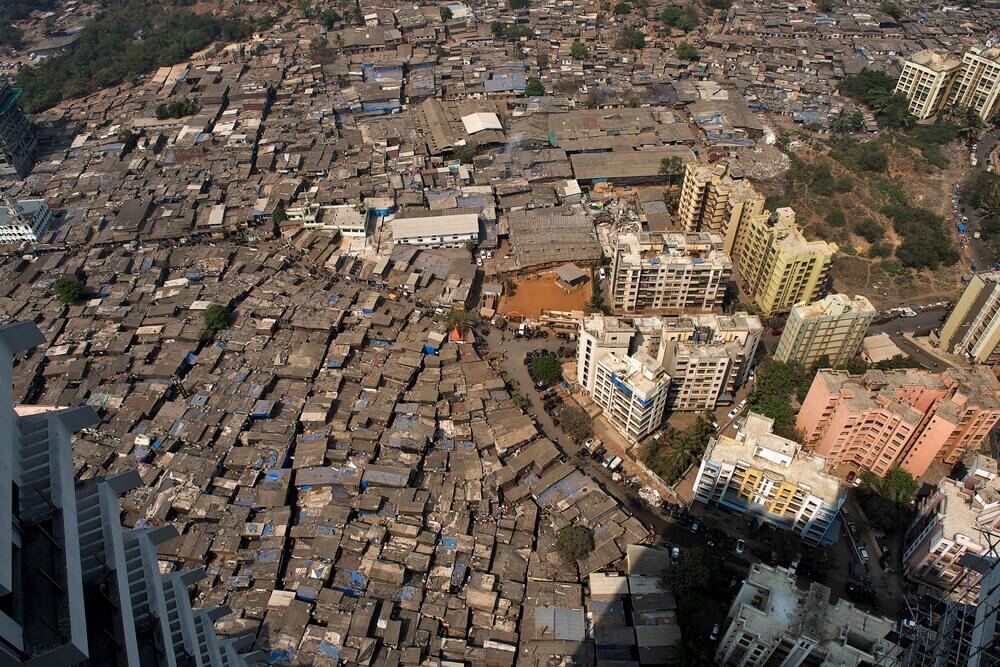
Political remarks on informal settlements and migration in Kolkata have reignited debate around the city’s long-standing housing shortages, infrastructure strain and uneven urban growth patterns, drawing attention to deeper questions around planning, affordability and inclusive development in eastern India’s largest metropolis.
The comments, made during a recent political address in West Bengal, have intensified discussions around how rapidly growing cities manage migration, land use and civic infrastructure. While the political rhetoric focused on demographic and settlement concerns, urban planners argue the larger issue lies in decades of inadequate affordable housing and fragmented urban expansion across the Kolkata Metropolitan Region.Kolkata, like many Indian megacities, has experienced continuous pressure on transport systems, drainage networks and civic amenities due to population growth and rising economic activity. Informal housing clusters have expanded in peripheral and inner-city areas where formal housing supply has failed to keep pace with demand. Experts note that these settlements are often tied to labour mobility, low-income employment and gaps in rental housing availability rather than a single political or demographic factor.Urban researchers say the city’s settlement patterns reflect broader structural challenges facing Indian cities. Limited access to affordable land, weak enforcement of planning regulations and delayed infrastructure investments have pushed economically vulnerable populations into densely populated neighbourhoods with limited public services. In many cases, these communities support essential sectors including construction, logistics, domestic work and small-scale manufacturing.
The renewed attention on Kolkata housing issues also comes at a time when the city is attempting to modernise transport infrastructure and attract new investment corridors. Large-scale transit upgrades, riverfront projects and logistics expansion plans are reshaping parts of the metropolitan region, but uneven access to housing and basic services continues to remain a critical concern.Urban development specialists warn that framing urban poverty primarily through political narratives risks oversimplifying the realities of migration and economic inequality. They argue that sustainable city planning requires stronger rental housing policies, integrated transport networks and investment in climate-resilient infrastructure capable of supporting diverse income groups.The debate has also highlighted environmental vulnerabilities within densely populated settlements. Several low-lying neighbourhoods in Kolkata remain exposed to flooding, poor sanitation and heat stress, conditions expected to intensify under changing climate patterns. Planning experts believe future urban policy must combine infrastructure upgrades with inclusive rehabilitation measures rather than relying solely on enforcement-led approaches.Economists tracking eastern India’s urbanisation trends note that Kolkata remains a major regional employment centre despite slower industrial growth compared to western and southern metros. This continues to attract workers from surrounding districts and neighbouring states, increasing pressure on affordable housing stock and public transport systems.
For residents, the controversy underscores a wider concern about whether Indian cities are prepared for the next phase of urban expansion. As Kolkata continues to evolve, the challenge for policymakers will be balancing economic growth, social inclusion and infrastructure resilience without deepening inequalities across already stressed urban communities.
Read More : Adani Data Centres Expand Urban Digital Capacity
Kolkata Housing Debate Sparks Urban Inequality Concerns
