


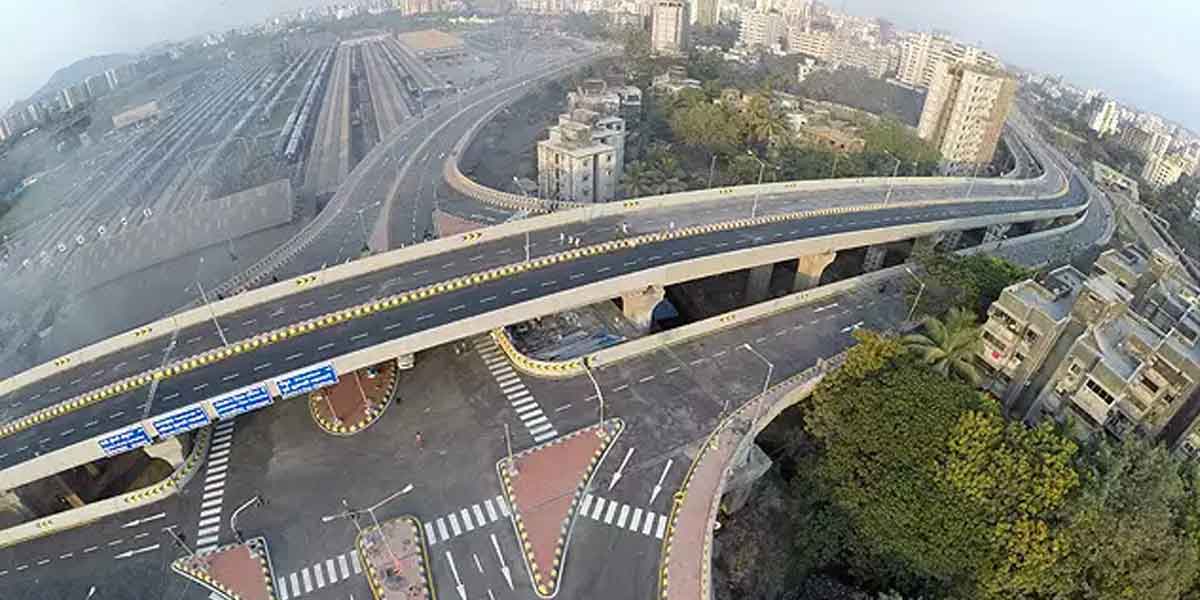
A major rail infrastructure upgrade along the Jamshedpur–Kolkata corridor is set to eliminate several level crossings, signalling a wider shift towards safer and faster regional mobility infrastructure in eastern India. Railway authorities have initiated plans to remove three heavily used crossings through grade separation works, a move expected to ease traffic delays, improve freight efficiency, and reduce accident risks across urban and peri-urban stretches of the route.
The proposed transformation comes as passenger and freight movement between Jharkhand and West Bengal continues to increase, placing pressure on ageing transport infrastructure. Urban mobility experts say the transition towards a gate free rail corridor reflects a growing recognition that traditional level crossings are no longer viable in rapidly expanding industrial and residential regions.Officials associated with the project indicated that rail overbridges and underpasses would replace the identified crossings, helping vehicles move uninterrupted even during peak train operations. For residents and daily commuters, the changes could significantly reduce waiting times that often stretch for long periods near busy railway gates.The gate free rail corridor strategy is also being viewed through the lens of economic productivity. The Jamshedpur–Kolkata route supports substantial industrial movement, including steel, manufacturing inputs, and logistics traffic linked to ports and commercial centres. Delays at crossings not only affect commuters but also slow supply chains and increase fuel consumption through prolonged idling.Urban planners note that infrastructure modernisation in industrial belts must now balance efficiency with environmental performance. While road expansion projects traditionally focus on vehicle movement, experts argue that integrated planning around rail corridors can support lower-emission transport systems if combined with public mobility upgrades and transit-oriented growth.
The surrounding urban settlements have experienced rapid population growth over the past decade, resulting in increased congestion around railway intersections. In several areas, informal commercial activity and mixed land use patterns have intensified safety concerns for pedestrians and cyclists navigating crowded crossings. Replacing level gates with structured crossings is expected to improve accessibility while reducing collision risks.However, infrastructure specialists caution that execution will remain a key challenge. Land acquisition, traffic diversion during construction, and coordination between railway and civic agencies often delay such projects in dense urban environments. Transparent planning and phased implementation will be critical to minimise disruption for nearby communities and businesses.The gate free rail corridor initiative also reflects a broader trend in Indian cities where transport infrastructure is increasingly being redesigned to accommodate both economic expansion and urban liveability goals. Analysts say such interventions become more effective when paired with reliable public transport, pedestrian infrastructure, and long-term regional mobility planning.
For eastern India’s industrial and commuter networks, the project could become an important test case in how legacy rail infrastructure adapts to rising urban demand while improving safety and reducing congestion pressures across interconnected cities.
Read More:West Bengal Infrastructure Debate Shapes Kolkata Growth
Jamshedpur Rail Corridor Set For Safer Crossings
