


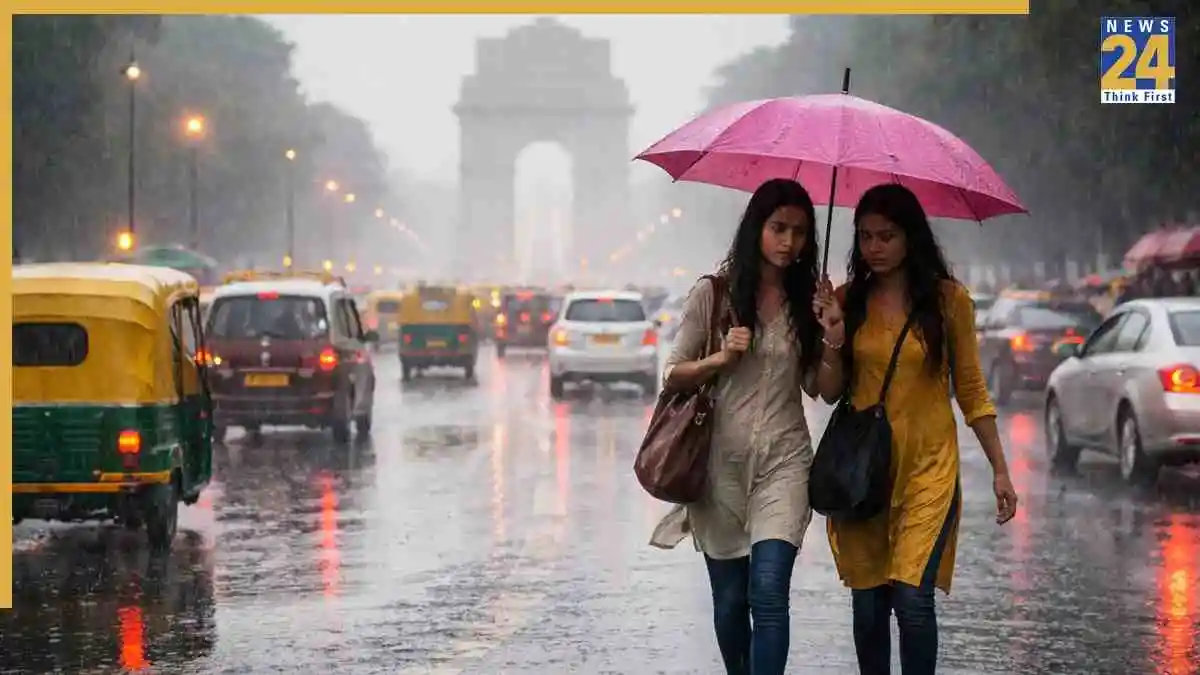
A fresh spell of rain and hail across parts of Delhi-NCR has temporarily eased rising summer temperatures, offering short-term relief to residents while highlighting the growing role of erratic weather patterns in shaping urban climate conditions. The changing weather has interrupted what experts expected to become an aggressive early summer heat cycle across the region.
Several areas in the National Capital Region witnessed thunderstorms, gusty winds and scattered hail activity over recent days, leading to a visible dip in daytime temperatures. Streets, neighbourhood parks and public spaces across multiple NCR cities saw increased outdoor movement as residents stepped out to experience the cooler conditions after weeks of dry heat. According to meteorological observations, the NCR weather shift during the first week of April delayed the onset of severe heat stress usually associated with dense urban zones. Data released by weather authorities showed the capital recorded four rainy days between April 1 and April 8, helping maximum temperatures remain below seasonal averages for much of the period.
Urban climate researchers say such fluctuations are becoming increasingly common as cities experience the combined effects of climate variability, land-use changes and expanding built-up surfaces. While rainfall events offer temporary cooling, they also expose the vulnerability of urban infrastructure that is often unprepared for sudden weather swings. The NCR weather shift became particularly significant because temperatures in the region began climbing sharply after April 9. The mercury eventually crossed the 40-degree Celsius mark on April 16 for the first time this season, indicating how quickly heat conditions can intensify once cloud cover and moisture levels decline. Environmental planners note that intermittent rain helps suppress surface heat accumulation in heavily concretised areas where asphalt roads, dense housing clusters and limited tree cover trap thermal energy. Short cooling spells may reduce immediate public health stress, especially for outdoor workers, commuters and low-income households living in heat-prone neighbourhoods.
However, experts caution that temporary relief should not distract city administrations from long-term climate adaptation planning. Delhi-NCR continues to face rising risks linked to extreme heat, water stress and unpredictable precipitation patterns. Urban resilience specialists argue that cities must strengthen heat action plans, expand green cover, improve drainage systems and redesign public infrastructure to cope with increasingly volatile seasonal behaviour. The recent rainfall also carries economic implications. Lower temperatures can reduce short-term electricity demand from cooling systems, offering some relief to strained urban power networks during peak summer months. At the same time, sudden storms and hail events can disrupt transport movement, informal commerce and construction activity across fast-growing urban corridors. With forecasts indicating further weather fluctuations through the season, planners and civic agencies are expected to closely monitor how recurring NCR weather shift patterns influence mobility, energy consumption and public health preparedness in one of India’s most densely populated urban regions.
Also read: Delhi NCR Weather Shift Triggers Urban Heat Concerns
Delhi NCR Rainfall Brings Early Summer Relief
