


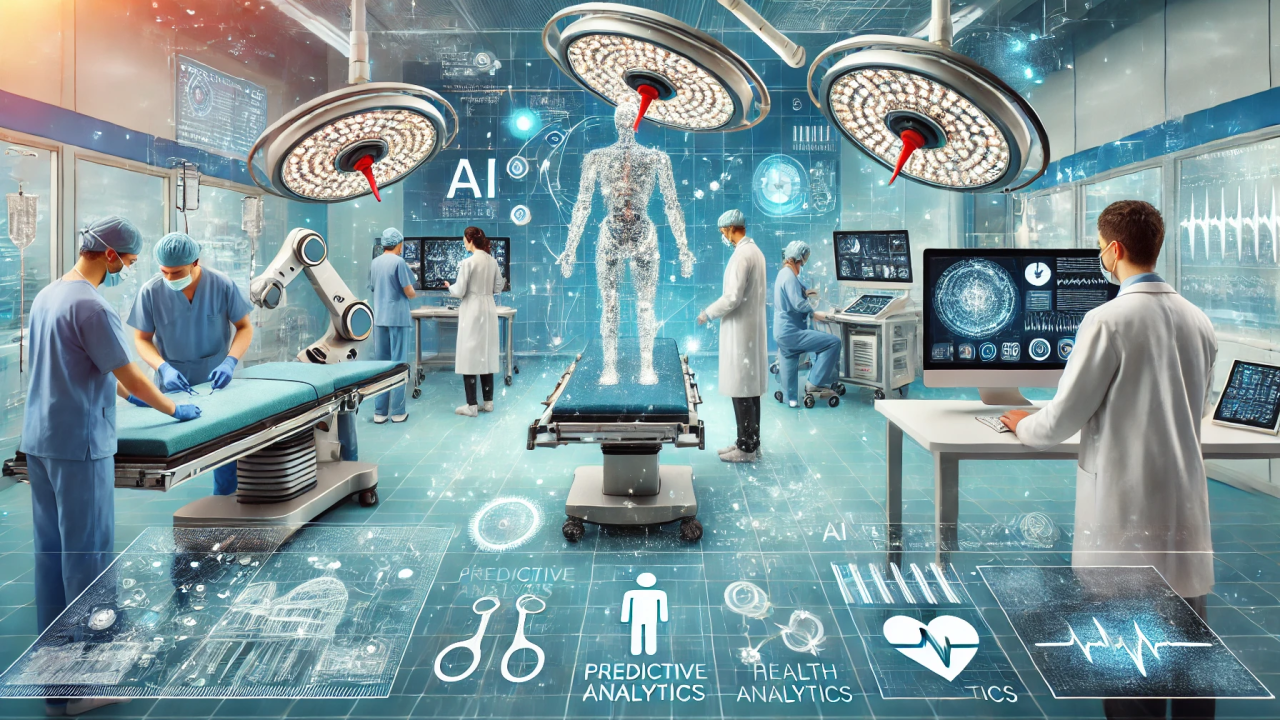
Artificial intelligence-driven healthcare tools developed in Bengaluru are beginning to reshape diagnostic access across Indian hospitals, reflecting how low-cost medical innovation is increasingly emerging from the country’s academic and technology ecosystems.An AI-based healthcare initiative originating from Bengaluru has developed diagnostic systems that use eye scans and sensor-enabled hospital beds to support early disease detection and patient monitoring.
The technology is now being deployed across hundreds of healthcare facilities, signalling growing interest in scalable digital health solutions capable of addressing infrastructure and workforce gaps in India’s medical sector.Healthcare analysts say the Bengaluru medical AI initiative demonstrates how urban research ecosystems can contribute to more accessible and preventive healthcare models.India’s hospital networks continue to face uneven specialist availability, rising patient loads and diagnostic delays, particularly in smaller cities and semi-urban regions.The eye-scanning system is designed to identify health conditions through retinal imaging and automated analysis, while the intelligent bed platform monitors patient movement and physiological indicators in real time. Experts say such technologies can help improve early intervention capacity, reduce manual monitoring burdens and support data-driven healthcare delivery.The Bengaluru medical AI ecosystem has gained momentum at a time when hospitals are increasingly adopting digital tools to improve operational efficiency and patient outcomes. Urban health researchers note that artificial intelligence is becoming a major component of healthcare infrastructure planning, particularly in fast-growing metropolitan economies where demand for medical services continues rising sharply.
However, specialists caution that rapid deployment of AI-driven healthcare systems must be accompanied by strong ethical safeguards, data privacy protections and clinical validation standards. Public trust, they argue, will depend on transparency, affordability and equitable access rather than technological sophistication alone.The broader significance of such innovation extends beyond hospitals. Public health experts believe technology-assisted diagnostics could help strengthen preventive care and reduce pressure on overcrowded tertiary healthcare institutions by enabling earlier identification of medical risks.Bengaluru’s role in the development also reinforces the city’s position as a centre for interdisciplinary innovation combining research, healthcare and digital engineering.The city’s academic institutions and startup ecosystem are increasingly contributing to sectors beyond information technology, including health infrastructure, biotechnology and medical devices.Urban economists suggest that affordable healthcare technologies may become increasingly important as Indian cities confront growing healthcare inequalities linked to migration, ageing populations and environmental stress. Climate-related disease patterns, pollution-linked illnesses and lifestyle disorders are already intensifying demand for scalable diagnostic systems.The expansion of Bengaluru-developed healthcare technologies across hospital networks could also influence future policy discussions around digital public health infrastructure and AI integration within clinical systems.
As India’s healthcare sector continues modernising, the success of such innovations may ultimately depend on whether technology can support more inclusive, preventive and patient-centred care rather than simply adding another layer of digital complexity to already strained medical systems.
Also Read:Bengaluru Cybercrime Cases Raise Digital Security Concerns
