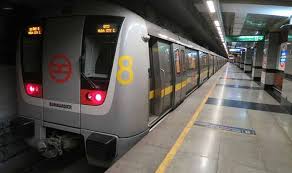
Commuters using Delhi Metro in northwest Delhi are set to navigate altered station access over the next two weeks, as infrastructure work restricts key entry points at Madhuban Chowk Metro Station. The temporary changes, effective from May 1 to mid-May, are tied to ongoing network upgrades that aim to improve long-term interchange efficiency but may strain passenger movement in the short term. The station, located on the Red Line, is emerging as a crucial node in the city’s expanding transit grid. Authorities have limited access on one side of the station, closing a primary gate and a lift that connect directly to a busy commercial zone. This has redirected footfall to remaining gates, potentially increasing congestion during peak commuting hours in an already dense urban pocket.
Urban planners note that such transitional disruptions highlight the growing pains of a rapidly expanding metro system. With Phase 4 projects underway, Delhi’s transit authority is attempting to retrofit older stations into multi-line interchange hubs. In the case of Madhuban Chowk, the integration with a newer corridor is expected to reduce dependence on road-based transfers, a key factor in lowering vehicular emissions and improving air quality. However, the interim experience for daily commuters remains a concern. The lack of seamless interchange infrastructure has historically forced passengers to step out into traffic-heavy intersections, exposing them to safety risks and longer travel times. The ongoing construction of a double-decker pedestrian bridge seeks to address this gap by enabling direct, grade-separated movement between lines.
From an economic standpoint, such upgrades can significantly enhance the productivity of urban transit systems. Improved interchange design reduces travel friction, encouraging higher ridership and supporting transit-oriented development in surrounding areas. Real estate analysts suggest that improved connectivity often leads to increased commercial activity and property value appreciation, particularly in mixed-use neighbourhoods like Rohini and Pitampura. Yet, the current disruption also underscores the importance of commuter-centric planning. Experts argue that temporary closures must be paired with robust crowd management, accessible signage, and inclusive mobility provisions, especially for elderly passengers and persons with disabilities who rely heavily on lifts and barrier-free access.
Officials have indicated that additional staff deployment and wayfinding measures are in place to guide passengers. Digital updates via mobile applications are also being encouraged, reflecting a broader shift towards real-time commuter information systems in Indian cities. As Delhi continues to invest in expanding its metro footprint, the Madhuban Chowk adjustment serves as a reminder that infrastructure growth must balance long-term sustainability goals with immediate user experience. The success of such projects will ultimately depend on how effectively they deliver safer, more efficient, and equitable urban mobility once construction dust settles.