


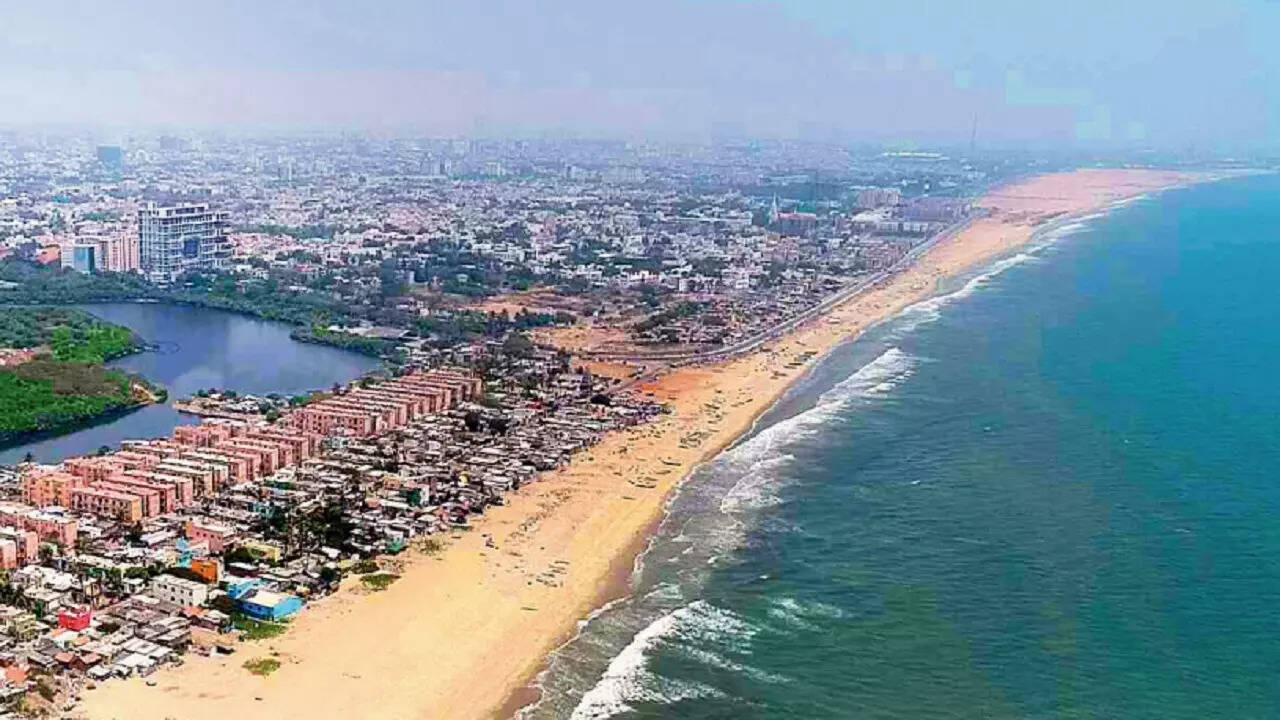
Chennai is facing increasing concern over gradual land subsidence combined with rising sea levels, a dual threat that could heighten flood risks and reshape the city’s long-term urban resilience strategy. Scientific assessments suggest that parts of the coastal metropolis are experiencing slow ground sinking, amplifying the impact of climate-driven ocean level rise.
The emerging risk linked to Chennai land subsidence carries significant implications for infrastructure, housing, and economic activity in low-lying areas. As ground levels decline, even moderate increases in sea levels can lead to more frequent flooding, saltwater intrusion, and damage to critical urban systems.Experts point to a combination of factors contributing to subsidence, including excessive groundwater extraction, rapid construction, and the weight of expanding urban infrastructure. These pressures alter the natural balance of soil and water systems, causing gradual compaction of land over time. In a city already vulnerable to extreme weather events, such changes can intensify the impact of cyclones and heavy rainfall.The risks associated with Chennai land subsidence are particularly acute in coastal and peri-urban zones, where informal settlements and high-density housing often lack robust infrastructure. These areas may face disproportionate exposure to flooding and displacement, raising concerns about urban equity and climate justice.From an infrastructure perspective, subsidence can compromise the stability of roads, buildings, drainage systems, and underground utilities. Over time, this can increase maintenance costs and reduce the lifespan of critical assets.
For a rapidly growing city like Chennai, ensuring the durability of infrastructure under changing environmental conditions is a key challenge.Environmental planners emphasise that subsidence is often a slow-moving but cumulative process, making it difficult to detect without sustained monitoring.Integrating geospatial data, satellite observations, and ground-level surveys can help identify vulnerable zones and guide targeted interventions.There are also economic implications. Coastal cities are major centres of trade, industry, and services, and disruptions caused by flooding or infrastructure damage can have cascading effects on regional economies. Protecting urban assets from long-term climate risks is therefore essential for maintaining economic stability.Addressing the issue will require a multi-pronged approach. Reducing groundwater extraction, improving water management systems, and enforcing sustainable construction practices are critical steps. In parallel, investing in coastal protection measures and resilient urban design can help mitigate the impact of rising sea levels.Urban planners also highlight the need for integrating climate risk assessments into development policies.
As cities expand, factoring in long-term environmental vulnerabilities can prevent future crises and reduce the cost of adaptation.The growing awareness around Chennai land subsidence signals a shift towards recognising hidden climate risks that extend beyond immediate weather events. As the city navigates its development trajectory, balancing growth with environmental sustainability will be central to safeguarding its future against increasingly complex climate challenges.
Also Read:Chennai Auto LPG Supply Remains Stable Amid Demand
