


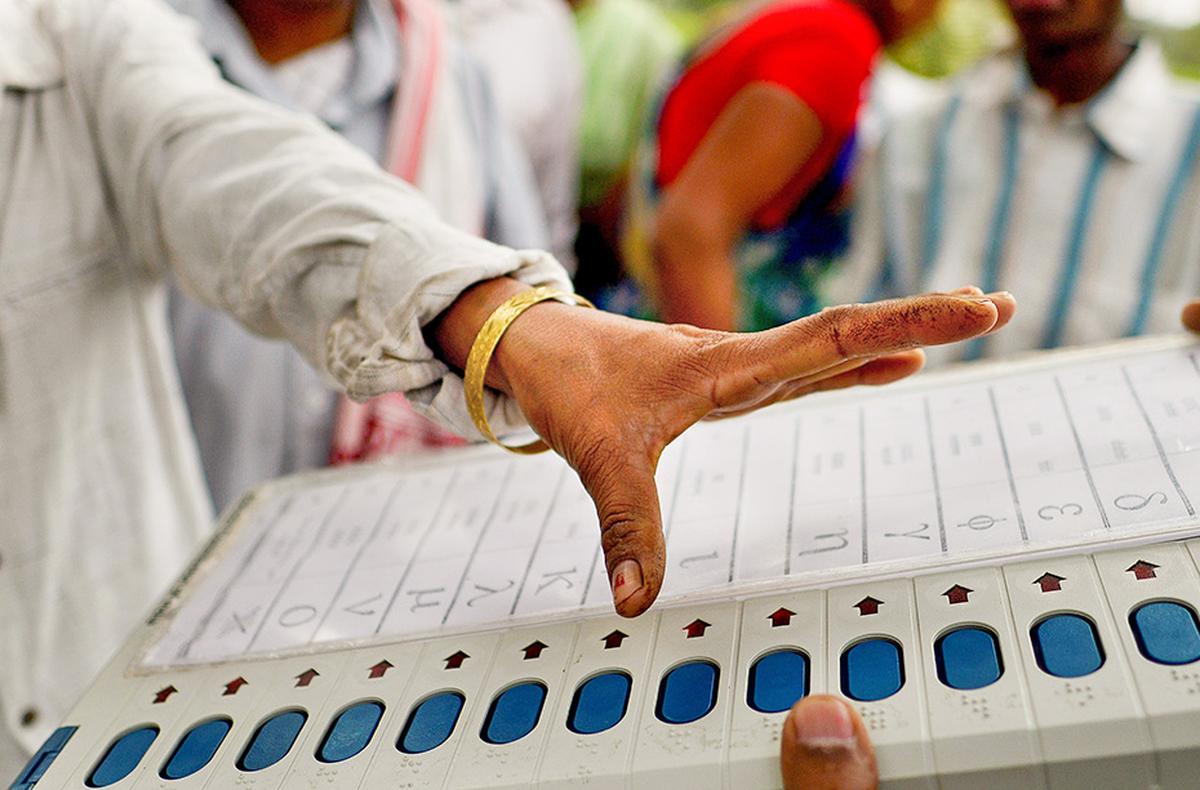
Voting is underway across Ahmedabad as part of Gujarat’s local body elections, with millions of residents participating in a process that will influence how the city manages infrastructure, housing, and public services in the years ahead. The outcome is expected to reflect citizen priorities in a rapidly expanding urban centre grappling with growth pressures and evolving civic needs. The elections cover key urban institutions responsible for everyday governance, including municipal administration, service delivery, and neighbourhood-level planning.
For a city like Ahmedabad—where population growth, real estate expansion, and infrastructure demands are intensifying—local governance plays a decisive role in shaping quality of life. At the heart of the exercise is the Ahmedabad local body elections, which are being closely watched as a barometer of public sentiment on issues such as water supply, waste management, urban mobility, and housing affordability. Experts note that voters are increasingly evaluating civic performance based on tangible improvements in daily living conditions rather than broader political narratives. Urban development specialists highlight that Ahmedabad’s rapid expansion has created both opportunities and challenges. While infrastructure projects and industrial growth have boosted economic activity, they have also placed pressure on land use, transport systems, and environmental resources. Effective local governance is therefore critical to balancing development with sustainability. The Ahmedabad local body elections also come at a time when cities are being pushed to adopt more climate-resilient planning practices. Heat stress, water scarcity, and air quality concerns are becoming central to urban policy discussions. Decisions made at the municipal level—ranging from zoning regulations to green space development—can significantly influence how cities respond to these challenges. From a citizen perspective, local elections are often the most direct interface with governance. Issues such as road maintenance, drainage, and public health services are managed at this level, making accountability and responsiveness key factors in voter decision-making. Observers suggest that turnout patterns may also reflect how engaged urban populations are with civic processes. There are also implications for economic growth. Cities that deliver reliable infrastructure and efficient services tend to attract investment and support business activity.
In Ahmedabad, where industry and commerce are closely tied to urban systems, governance outcomes can have a direct impact on economic momentum. As results emerge, attention will shift to how newly elected representatives translate mandates into action. The challenge for Ahmedabad will be to ensure that governance remains people-centric, inclusive, and aligned with long-term sustainability goals—so that urban growth enhances both liveability and resilience for its residents.
ALSO READ – Surat Textile Costs Surge Amid Feedstock Crisis
Ahmedabad Local Polls Shape Urban Governance Future
