


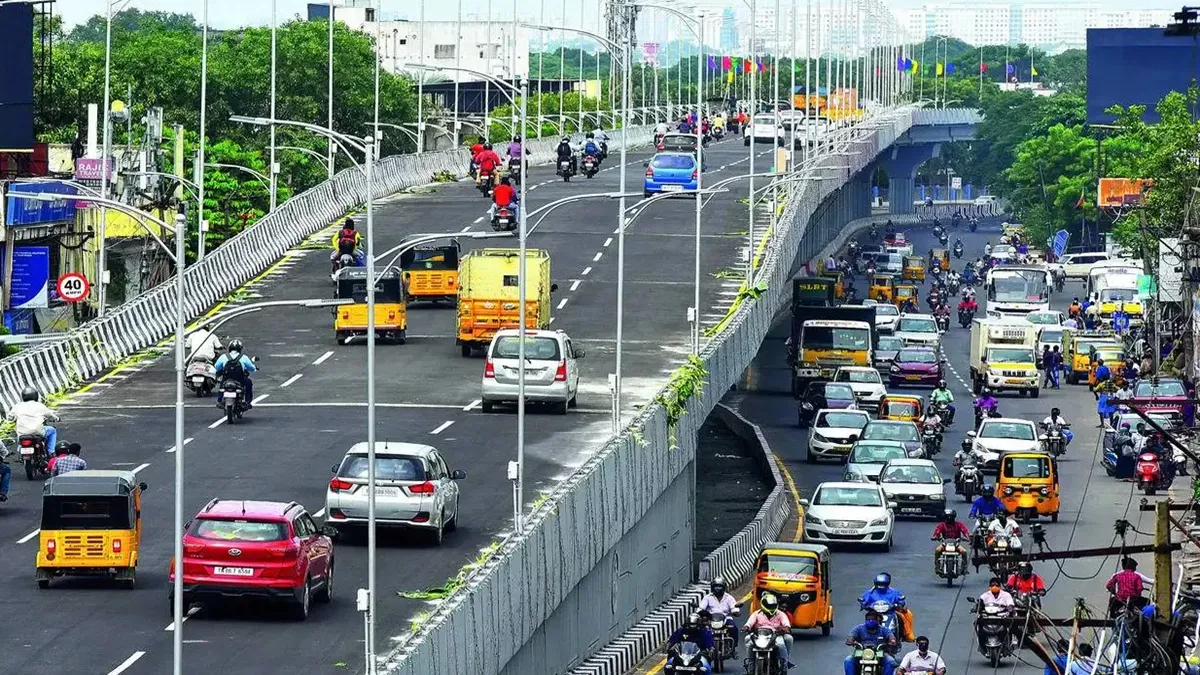
The demolition of a flyover structure in Ahmedabad has brought renewed focus to infrastructure safety, construction oversight, and long-term urban planning practices in rapidly expanding cities. The removal of the Hatkeshwar flyover follows concerns over structural integrity, raising questions about how urban infrastructure is designed, monitored, and maintained. Authorities initiated the demolition after identifying safety risks associated with the structure, which had reportedly shown signs of distress.
The decision to dismantle the flyover underscores the importance of prioritising public safety in urban infrastructure, particularly in cities experiencing rapid construction and increasing traffic demand. The Ahmedabad flyover demolition highlights a critical challenge faced by many Indian cities—balancing speed of development with quality assurance. As urban areas expand, infrastructure projects are often executed under tight timelines, which can sometimes compromise design standards, material quality, or supervision. Experts suggest that robust auditing mechanisms and independent quality checks are essential to prevent such outcomes. From a mobility perspective, the removal of the flyover is likely to disrupt traffic patterns in the surrounding area. Commuters may experience increased congestion as vehicles are redirected to alternative routes. Urban transport planners emphasise the need for effective traffic management strategies during such transitions, including signal optimisation, temporary diversions, and public communication. The incident also raises broader concerns about lifecycle management of infrastructure assets. Beyond construction, regular inspection, maintenance, and timely repairs are crucial to ensure structural safety over time. Experts advocate for the adoption of technology-driven monitoring systems, such as sensors and data analytics, to detect early signs of wear and prevent failures. Environmental and economic implications are equally significant. Demolition and reconstruction involve material waste, energy consumption, and additional costs, all of which could have been mitigated through better initial planning and execution. Integrating sustainability principles into infrastructure development—such as durable design and efficient resource use—can help reduce long-term environmental impact. The Ahmedabad flyover demolition also brings attention to accountability within urban governance frameworks. Transparent investigation into the causes of structural issues, along with clear allocation of responsibility, is essential to restore public confidence. Strengthening regulatory oversight and enforcing compliance standards can help ensure that future projects meet safety and durability benchmarks. For a city like Ahmedabad, which continues to invest in infrastructure to support economic growth, the incident serves as a cautionary moment.
It highlights the need for a more integrated approach to urban development—one that combines engineering excellence, regulatory vigilance, and sustainability. As authorities move forward with plans for reconstruction or alternative solutions, the focus will be on ensuring that new infrastructure is not only efficient but also resilient and safe. The lessons from the Ahmedabad flyover demolition could play a pivotal role in shaping more responsible and citizen-centric urban development practices in the years ahead.
ALSO READ – Ahmedabad Rail Delays Affect Daily Commuter Mobility
Ahmedabad Flyover Demolition Raises Urban Safety Questions
