


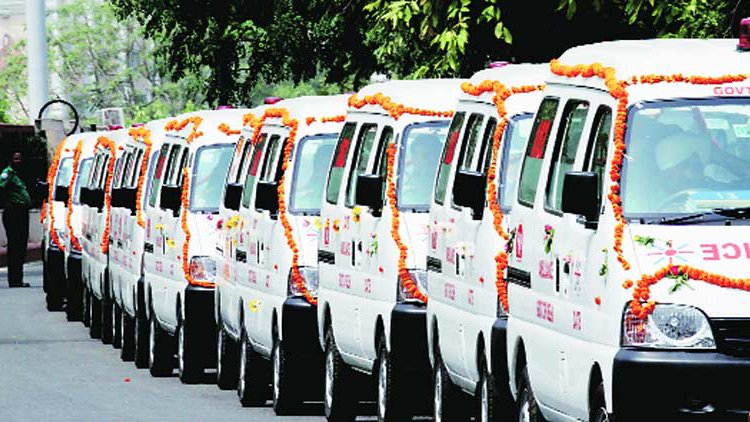
A large-scale community health outreach in Surat has brought renewed attention to the role of preventive care in rapidly growing urban centres, as hundreds of residents participated in a multi-service medical camp aimed at early detection and awareness. The initiative highlights how cities with expanding populations must increasingly rely on decentralised health interventions to bridge gaps in access and affordability. The camp, organised by a local community group, offered a range of services including general health check-ups, diagnostic screenings, and awareness sessions.
While such events are often temporary, urban health experts note that they play a critical role in reaching populations that may not regularly engage with formal healthcare systems—particularly low-income groups, migrant workers, and informal sector employees. The success of the outreach underscores a broader trend shaping urban healthcare delivery. As cities like Surat continue to grow, the demand for accessible, affordable, and preventive health services is rising. Public health specialists emphasise that early detection of conditions such as diabetes, hypertension, and respiratory illnesses can significantly reduce long-term healthcare costs and improve quality of life. From an urban planning perspective, the Surat health awareness drive reflects the need to integrate healthcare more closely into city infrastructure. While hospitals and specialised facilities remain essential, there is increasing recognition of the importance of neighbourhood-level health services, mobile clinics, and community outreach programmes that bring care closer to residents. The initiative also points to the role of civic participation in strengthening urban systems. Community-led programmes can complement public healthcare efforts, especially in areas where formal infrastructure is stretched. However, experts caution that such initiatives should not substitute for systemic investment in healthcare capacity, including primary health centres, workforce expansion, and digital health systems. Environmental and living conditions are another factor influencing urban health outcomes. In cities with dense populations and industrial activity, issues such as air quality, water access, and sanitation directly impact public health. Integrating preventive care initiatives with broader urban development strategies—such as improved housing and clean infrastructure—can help address root causes rather than just symptoms. The Surat health awareness drive also highlights the importance of data and follow-up care. While initial screenings can identify potential health issues, sustained impact depends on ensuring that individuals receive appropriate treatment and monitoring. Strengthening referral systems and linking community initiatives with formal healthcare providers can improve continuity of care.
As Surat continues to expand as an economic and industrial hub, the need for inclusive and resilient healthcare systems is becoming increasingly evident. The outcomes of such outreach efforts suggest that combining community engagement with institutional support could be key to addressing urban health challenges. Looking ahead, the focus is likely to shift towards scaling similar initiatives while embedding them within long-term urban health planning frameworks—ensuring that preventive care becomes a core component of sustainable city development rather than an occasional intervention.
ALSO READ – Surat Industry Growth Highlights India Economic Momentum
Surat Health Camp Highlights Urban Preventive Care Gap
