


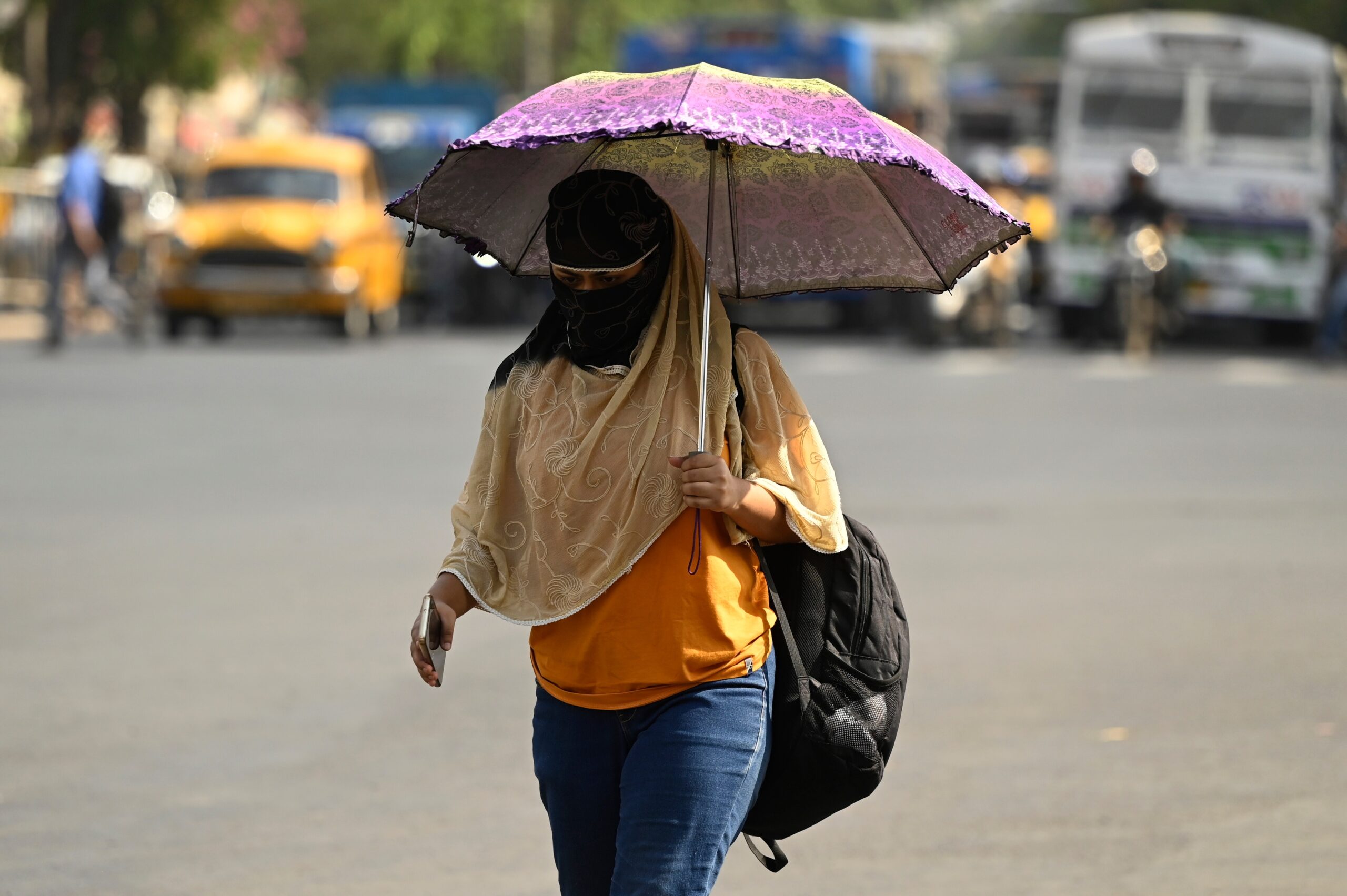
Indore is expected to experience a sharp rise in daytime temperatures alongside persistently dry conditions, signalling early summer stress for urban infrastructure and public health systems. The shift in weather patterns comes as central Indian cities brace for prolonged heat exposure, raising concerns around water availability, energy demand, and climate resilience in rapidly expanding urban areas. According to the latest Indore weather forecast, daytime temperatures are trending above seasonal averages, with minimal cloud cover and low chances of rainfall.
Urban planners note that such conditions amplify the heat island effect, where dense built-up areas trap heat, making cities significantly warmer than surrounding regions. This is particularly relevant for Indore, where real estate expansion and road infrastructure have outpaced the integration of cooling urban design elements such as green cover and reflective materials. Experts suggest that prolonged heat conditions could strain the city’s electricity grid as cooling demand rises. Residential and commercial consumption typically peaks during such periods, increasing the risk of outages and operational stress on utilities. A senior energy sector analyst highlighted that without demand-side management or renewable integration, such spikes could disrupt service reliability in the coming months. Water management is another emerging concern. With limited rainfall expected in the near term, groundwater dependence may increase, particularly in peri-urban zones where piped supply remains inconsistent. Urban development specialists emphasise that the Indore weather forecast should act as an early signal for municipal authorities to prioritise water conservation measures, including rainwater harvesting enforcement and leakage reduction in supply networks. Public health implications are equally significant. Rising temperatures can lead to heat-related illnesses, especially among vulnerable populations such as outdoor workers, the elderly, and low-income communities lacking access to cooling infrastructure. Urban health experts recommend expanding shaded public spaces, improving access to drinking water points, and issuing timely advisories to mitigate risks. From a broader urban development perspective, the current weather pattern underscores the urgency of climate-responsive planning.
Cities like Indore are at a critical juncture where infrastructure growth must align with sustainability goals. Integrating urban forests, permeable surfaces, and passive cooling architecture can help reduce long-term climate vulnerability. Looking ahead, the evolving Indore weather forecast highlights a recurring challenge for Indian cities: balancing growth with resilience. As climate variability intensifies, proactive planning—not reactive measures—will determine how effectively cities safeguard both economic activity and citizen well-being.
ALSO READ – Jaipur Luxury Housing Uptake Signals Market Shift
Indore Weather Forecast Signals Heatwave Risk
