Delhi Braces For Prolonged Heatwave With No Relief
Delhi is heading into a sustained spell of extreme heat, with the India Meteorological Department warning that temperatures could reach up to 44°C and remain above seasonal averages for several days. The forecast signals not just a short-term weather event but a deepening climate challenge for one of India’s most densely populated urban regions. According to meteorological projections, maximum temperatures are expected to stay in the 43–44°C range through the week, with heatwave conditions persisting across multiple parts of Delhi-NCR.
Even where slight fluctuations occur, the overall trend points to continued heat stress, with only marginal cooling expected in the coming days. The current Delhi heatwave warning comes amid already elevated baseline temperatures, with readings crossing 40°C earlier than usual in the season. Night-time temperatures are also remaining above normal, limiting the body’s ability to recover from daytime heat exposure. This combination of high day and night temperatures significantly increases health risks, particularly for vulnerable populations. Urban experts note that such conditions are being amplified by the city’s built environment. High-density construction, reduced tree cover, and heat-retaining materials like concrete contribute to the “urban heat island” effect, making cities several degrees hotter than surrounding rural areas. As Delhi continues to expand, these patterns are expected to intensify without targeted climate-sensitive planning.
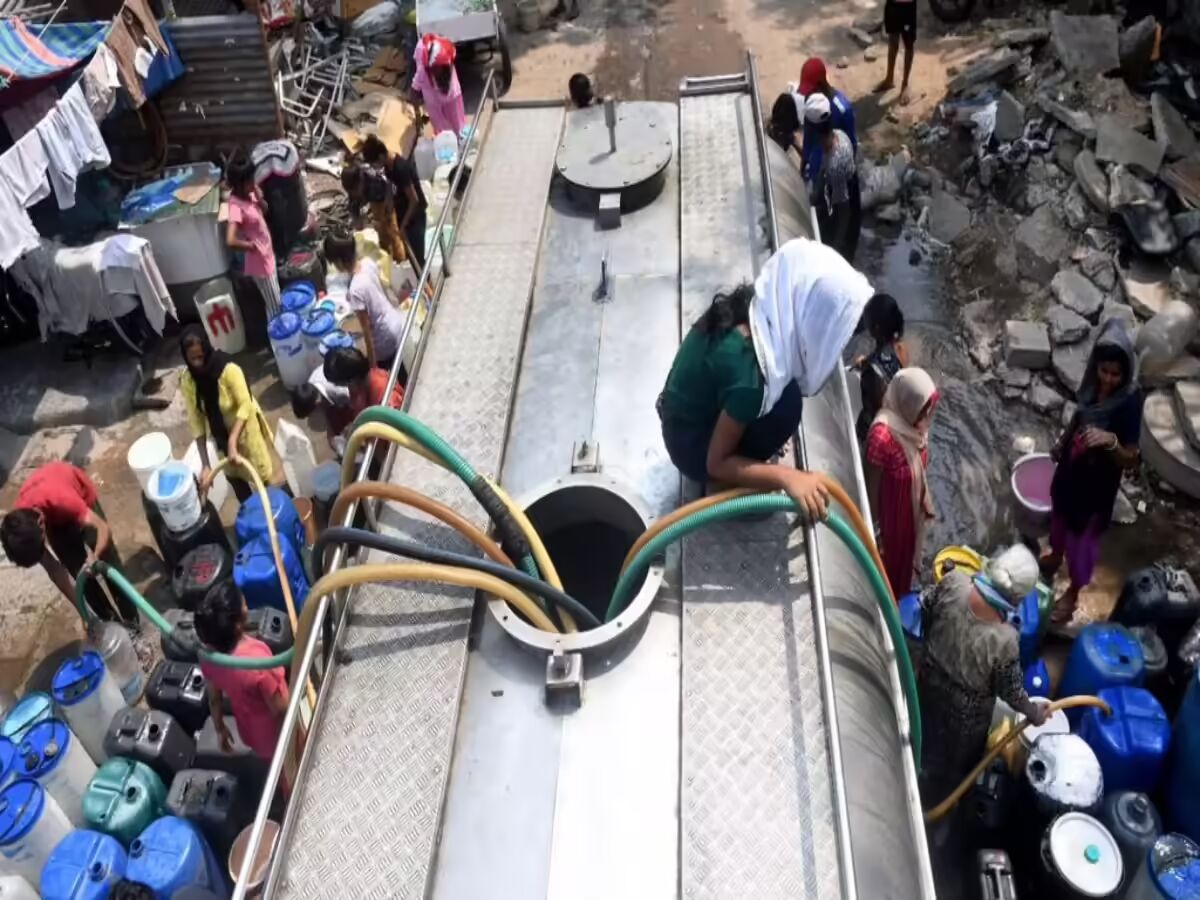
The Delhi heatwave warning also exposes systemic vulnerabilities in urban infrastructure. Electricity demand is likely to surge due to increased cooling needs, placing pressure on power grids. Water consumption typically rises in parallel, stressing already constrained supply systems and highlighting inequities in access across different neighbourhoods. Public health systems are also bracing for impact. Authorities have flagged moderate to high health risks, particularly for children, the elderly, and those with pre-existing medical conditions. Advisories emphasise hydration, reduced outdoor exposure during peak hours, and protective measures such as wearing light clothing and covering the head. For the urban workforce—especially informal and outdoor workers—the implications are more immediate. Construction labourers, street vendors, and delivery personnel face prolonged exposure with limited access to cooling infrastructure. Experts argue that heat action plans must prioritise these groups through shaded rest areas, flexible work schedules, and accessible hydration points.
Economically, prolonged heatwaves can disrupt productivity across sectors reliant on outdoor activity, including construction and logistics. As Delhi positions itself as a major economic hub, climate resilience is increasingly becoming a factor in sustaining growth and operational efficiency. Looking ahead, forecasts indicate that while a slight dip in temperatures may occur later in the week, no significant relief is expected in the immediate term. The persistence of such extreme conditions underscores a broader trend—heatwaves are becoming longer, earlier, and more intense. As the Delhi heatwave warning continues, the situation highlights the urgent need for long-term adaptation strategies. Integrating green infrastructure, passive cooling design, and decentralised public cooling solutions into urban planning will be critical to ensuring that cities remain liveable under escalating climate pressures.