


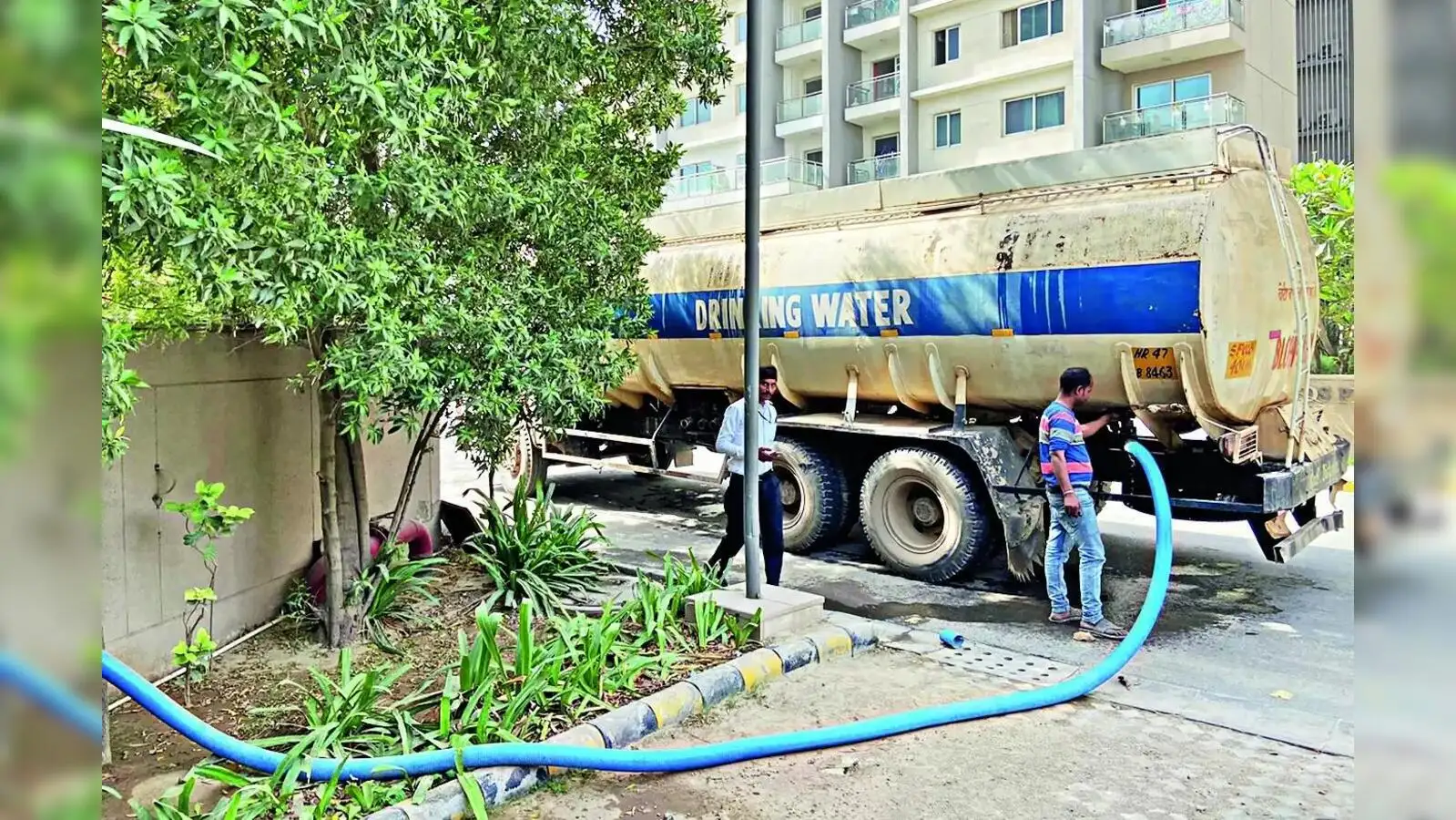
Bengaluru is witnessing a sharp rise in private water tanker demand as summer intensifies, but interim supply measures are helping prevent steep price escalations, offering temporary relief to households and businesses. The development underscores the city’s persistent dependence on supplementary water sources and the fragility of its urban water systems.
With groundwater levels declining and piped supply unable to meet peak demand in several areas, tanker services have become a critical lifeline. However, authorities have introduced additional supply mechanisms to stabilise availability, easing pressure on pricing in the short term. Residents in water-stressed neighbourhoods report improved access compared to previous peak seasons.Urban water experts note that the Bengaluru tanker demand surge reflects structural imbalances in the city’s water management.Rapid urbanisation, coupled with uneven infrastructure expansion, has created pockets where formal supply systems fall short. As a result, informal and semi-formal water markets continue to play a significant role.While the current interventions have moderated price spikes, analysts caution that such measures are reactive rather than systemic. Long-term resilience will depend on reducing reliance on tanker networks through expanded piped supply, improved storage, and sustainable groundwater management.The Bengaluru tanker demand surge also raises concerns about equity.
Tanker water is often more expensive than municipal supply, placing a disproportionate burden on lower and middle-income households. In areas where tanker access is limited or unreliable, residents face acute shortages, highlighting disparities in urban service delivery.From a sustainability perspective, the reliance on tanker transport has environmental implications. Frequent movement of heavy vehicles contributes to congestion, fuel consumption, and emissions. Additionally, unregulated groundwater extraction for tanker supply can accelerate depletion and degrade aquifers over time.Urban planners emphasise the need for integrated water management strategies that combine supply augmentation with demand-side measures. Rainwater harvesting, wastewater recycling, and decentralised storage systems are increasingly seen as essential components of a resilient urban water framework.There are also economic considerations. Stable water pricing is critical for households and businesses alike, influencing living costs and operational expenses. Volatility in tanker rates can disrupt planning and reduce affordability, particularly during peak summer months.Experts suggest that technology and data-driven monitoring could improve transparency in the tanker market, helping regulate pricing and ensure fair distribution. At the same time, strengthening public infrastructure remains the most sustainable solution.
As Bengaluru navigates seasonal water stress, the current stabilisation offers short-term relief but also highlights the urgency of long-term reforms. Building a reliable, equitable, and climate-resilient water system will be key to sustaining the city’s growth and ensuring that access to this essential resource is not determined by market fluctuations alone.
Also Read:Bengaluru Lake Encroachments Raise Environmental Concerns

