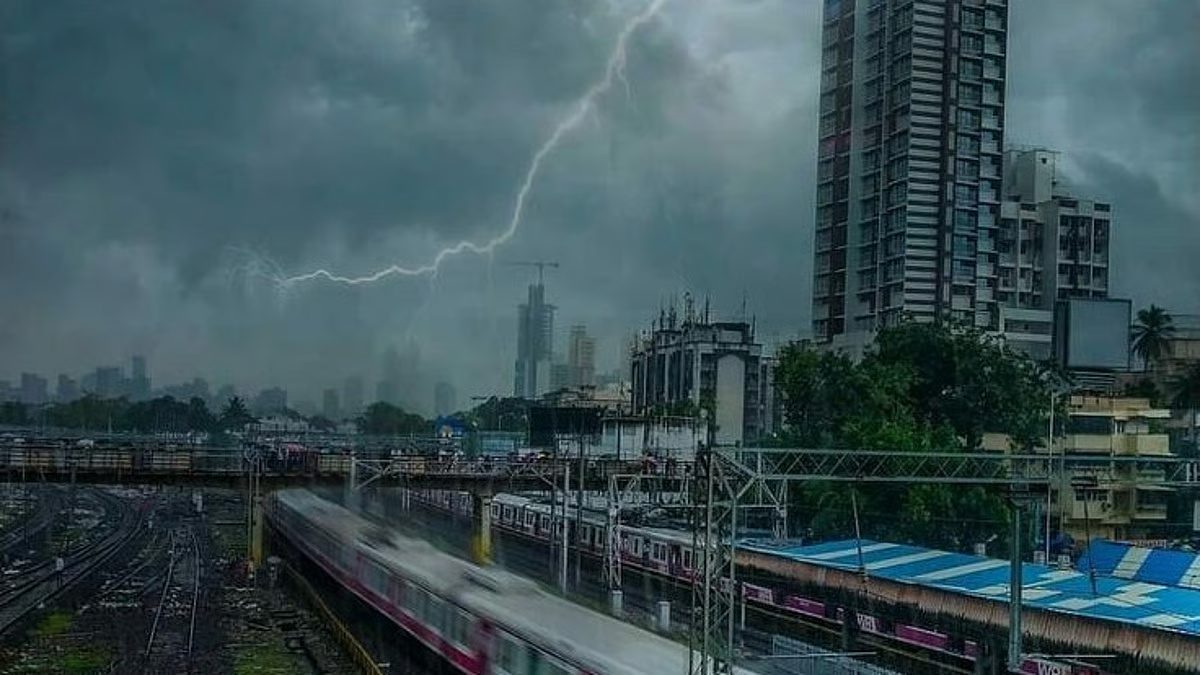
A spell of unstable pre-monsoon weather has placed Mumbai and surrounding urban regions on alert, underscoring growing climate unpredictability in India’s financial capital. Meteorological authorities have flagged short bursts of rainfall, thunderstorms, and elevated humidity over a two-day period, signalling an early seasonal transition that could disrupt daily life and strain civic systems. The current Mumbai weather alert comes at a time when cities are increasingly vulnerable to sudden weather fluctuations. Temperatures are expected to remain high during the day while nights offer limited relief, creating uncomfortable conditions for residents. Intermittent showers reported across parts of the metropolitan region indicate the onset of pre-monsoon activity, a phase often marked by erratic rainfall patterns.
Urban planners note that such weather volatility is no longer an isolated occurrence but part of a broader climate shift affecting coastal cities. Short-duration storms, combined with heat and humidity, can overwhelm drainage systems, trigger localised flooding, and disrupt transport networks. In dense urban clusters like Thane and Navi Mumbai, even brief downpours can expose gaps in stormwater infrastructure and solid waste management. The Mumbai weather alert also highlights the challenges of balancing rapid urbanisation with climate resilience. Experts point out that paved surfaces, shrinking green cover, and encroached natural drainage channels reduce a city’s ability to absorb sudden rainfall. This increases the risk of waterlogging, traffic delays, and pressure on emergency services, particularly during peak commuting hours.
Authorities have advised residents to remain cautious, especially during thunderstorms and lightning events. However, beyond immediate precautions, the situation raises larger questions about preparedness. Climate scientists emphasise that pre-monsoon instability is becoming more intense due to rising sea surface temperatures and changing atmospheric patterns, making forecasting and response strategies more critical than ever. For businesses and informal workers alike, such disruptions can translate into economic losses. Delivery networks, construction activity, and daily wage labour are particularly sensitive to sudden weather shifts. This adds another layer of complexity for a city already grappling with infrastructure stress and high population density. As the monsoon season approaches, the current weather pattern offers an early test of urban resilience.
Strengthening drainage networks, improving early warning systems, and integrating climate-sensitive planning into infrastructure projects are increasingly seen as essential steps. In the coming weeks, the focus will shift from short-term alerts to long-term readiness. Whether cities like Mumbai can adapt to these evolving weather patterns will determine not just seasonal comfort, but also the sustainability of their urban growth trajectory.