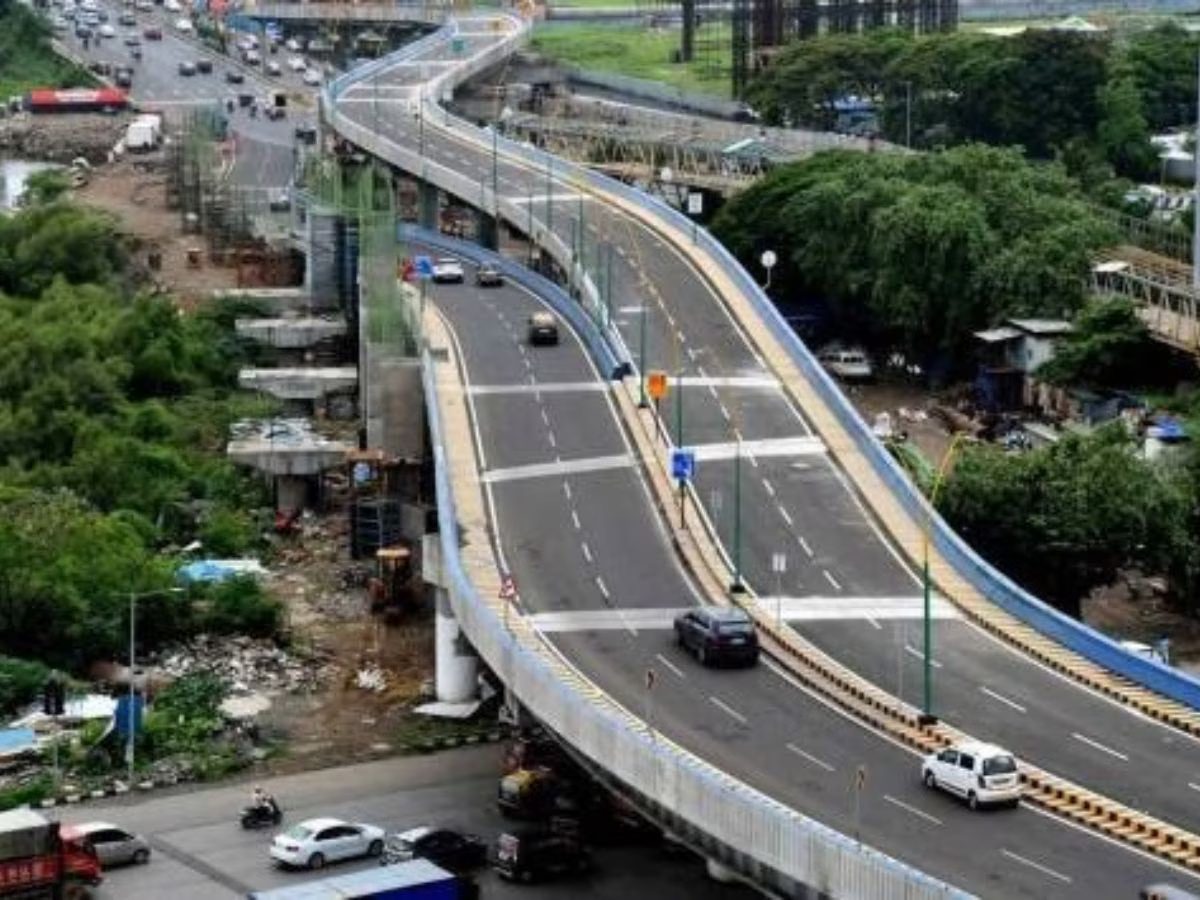
Mumbai’s push to ease chronic congestion in its southern corridor is gaining momentum, with new elevated infrastructure planned to improve connectivity between Byculla, Mazgaon and the Fort business district. Civic authorities are advancing a dual-project strategy that combines a cable-stayed bridge with a parallel flyover, aimed at significantly reducing travel time and easing pressure on some of the city’s most constrained road networks. At the centre of the plan is the Byculla flyover project, designed to create a continuous elevated route across key junctions that currently act as traffic choke points. The proposed system links a nearly kilometre-long bridge structure with an adjoining elevated road, allowing vehicles to bypass crowded intersections that routinely slow down peak-hour movement.
Urban mobility analysts point out that South Mumbai’s legacy street layout—characterised by narrow carriageways and mixed land use—has struggled to absorb rising vehicle volumes. As a result, commuters travelling between Byculla and the central business district often face delays exceeding half an hour. The Byculla flyover project is expected to cut this duration to around 10 minutes, reshaping daily travel patterns for office workers, logistics operators and emergency services. The infrastructure intervention also includes replacing an ageing bridge structure that has been in use for over a century. Engineers suggest that modern design standards will not only increase carrying capacity but also improve structural safety and durability, especially in a coastal city exposed to heavy rainfall and humidity. The new six-lane bridge, paired with a four-lane flyover, is intended to accommodate future traffic growth while maintaining smoother flow. However, the project raises broader questions about the long-term direction of urban mobility.
While elevated corridors can deliver immediate congestion relief, transport planners emphasise that they must be integrated with public transport systems to avoid reinforcing private vehicle dependency. Without parallel investments in mass transit, such infrastructure risks shifting congestion rather than eliminating it. Environmental considerations are also part of the discussion. Large-scale flyovers alter urban landscapes and can impact air quality and local microclimates. Experts recommend incorporating design measures such as noise barriers, efficient drainage systems and minimal land disruption to align with climate-resilient planning principles. Financially, the project represents a substantial investment in city infrastructure, reflecting the growing cost of retrofitting dense urban areas. The phased construction timeline—extending over the next few years—highlights the complexity of building in proximity to active rail lines and densely populated neighbourhoods.
For residents and commuters, the immediate benefit lies in improved travel predictability and reduced time spent in traffic. Yet the long-term success of the Byculla flyover project will depend on how effectively it complements broader strategies for sustainable mobility, including public transport expansion and demand management. As Mumbai continues to modernise its transport network, projects like this underline the challenge of balancing speed, accessibility and environmental responsibility in one of the world’s most densely populated cities.