


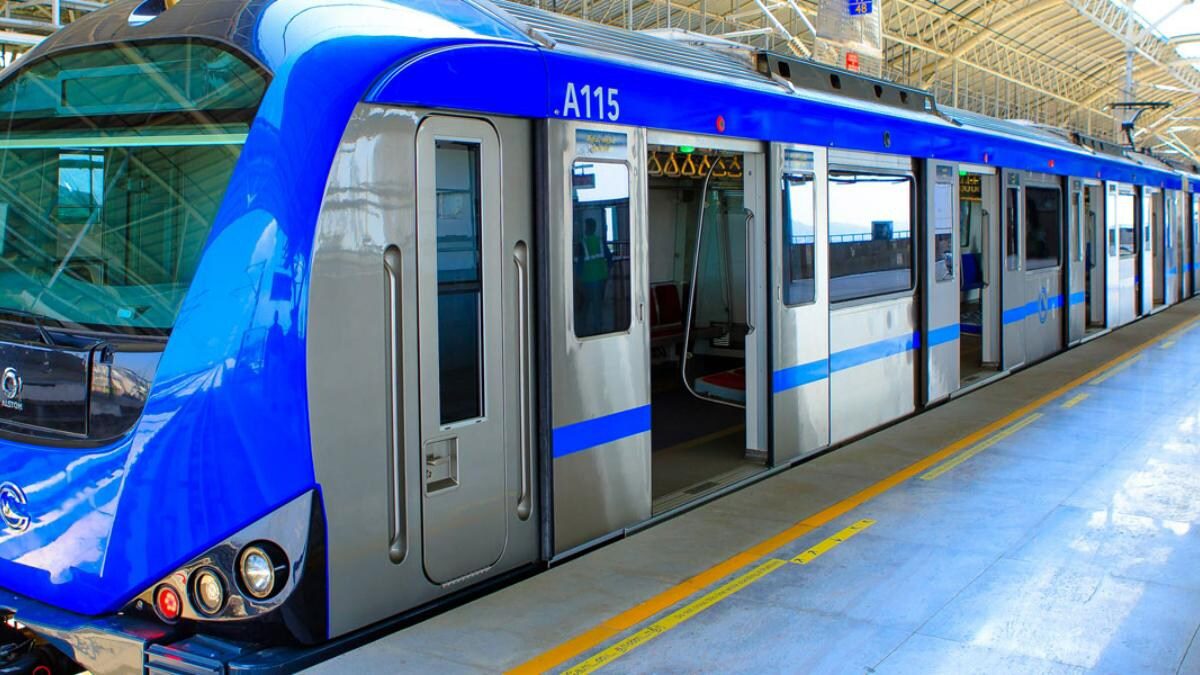
Chennai is preparing to introduce a unified mobility card system that could become mandatory for metro travel, marking a significant shift toward integrated and digital urban transport. The move is expected to simplify fare payments while aligning the city with global trends in seamless, multimodal transit systems.
Transport authorities are working to position the card as a single access point across various modes of public transport, potentially including buses, metro services, and parking facilities. By consolidating payment systems, the initiative aims to reduce transaction friction and improve commuter convenience in a rapidly expanding metropolitan network.The Chennai unified mobility card is also seen as a step toward strengthening data-driven urban planning. Digital payment systems can generate valuable insights into travel patterns, helping authorities optimise routes, manage peak demand, and improve service delivery.For a city facing increasing congestion, such efficiencies are critical.Urban mobility experts highlight that integrated ticketing systems can encourage greater use of public transport by making journeys more predictable and accessible.Eliminating the need for multiple tickets or payment methods reduces barriers, particularly for daily commuters who rely on multiple modes of transport.However, the transition raises questions around accessibility and inclusivity. Ensuring that all segments of the population—especially those without access to digital banking or smartphones—can easily adopt the system will be essential.
Experts suggest that offline recharge options, widespread distribution points, and user education campaigns will play a key role in successful implementation.The Chennai unified mobility card also intersects with sustainability goals.By promoting public transport usage, integrated systems can help reduce reliance on private vehicles, lowering emissions and easing traffic congestion. Cities that invest in such solutions often see long-term environmental and economic benefits.From an infrastructure perspective, the rollout will require coordination across multiple agencies and service providers.Interoperability between systems, secure payment gateways, and reliable backend technology are critical to ensuring a smooth user experience. Any disruptions could undermine public trust in the system.There are also economic implications. A unified payment platform can streamline revenue collection and reduce operational inefficiencies, while also supporting the growth of digital ecosystems within the urban economy. For businesses and service providers, improved connectivity can enhance accessibility and footfall.Urban planners emphasise that such initiatives should be integrated into broader transport strategies, including last-mile connectivity and service frequency improvements. A payment solution alone cannot address mobility challenges without parallel investments in infrastructure and service quality.
As Chennai moves toward a more connected transit system, the success of the initiative will depend on balancing technological advancement with user inclusivity. If implemented effectively, it could mark a significant step toward building a smarter, more efficient, and sustainable urban mobility network.
Also Read:Chennai Humid Weather Impact Raises Public Health Concerns
