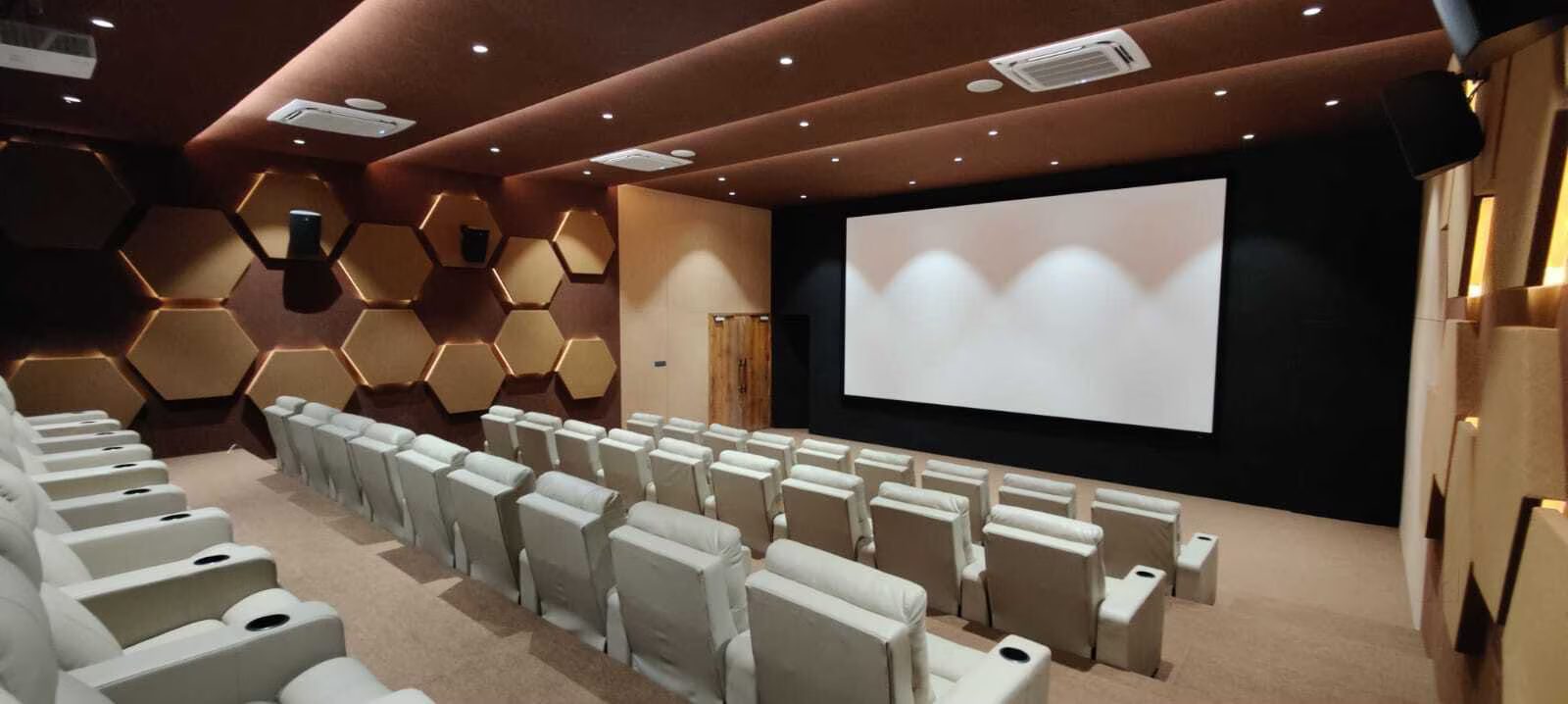
Mumbai’s municipal administration is moving to modernise its central deliberation space with a proposed civic hall audio system upgrade, following repeated disruptions caused by an ageing sound setup. The plan, estimated at just over ₹1 crore, has been placed before the standing committee, reflecting a broader push to improve institutional efficiency in one of India’s most complex urban governance systems. The decision comes after persistent complaints about poor audibility during council proceedings, where elected representatives rely on functional audio infrastructure for debate, decision-making, and public accountability. The existing system, installed more than a decade ago, has struggled to meet current operational demands, particularly after prolonged periods of limited use during recent years, which reportedly accelerated its deterioration.
For a civic body managing a city of over 20 million residents, the ability to conduct clear and uninterrupted discussions is not merely procedural—it directly influences policy outcomes across sectors such as infrastructure, housing, sanitation, and climate resilience. Experts note that even seemingly minor infrastructure gaps within governance institutions can have cascading effects on decision timelines and administrative transparency. Urban governance analysts highlight that investments like a civic hall audio system upgrade are often overlooked in discussions on city infrastructure, which tend to focus on roads, transport, or real estate. However, functioning institutional spaces are critical to enabling responsive governance. “Deliberative efficiency is a foundational layer of city management. If communication breaks down at the decision-making level, it slows down everything downstream,” said a senior urban policy expert. The proposed upgrade is expected to introduce contemporary audio technology tailored for large assembly halls, supporting clearer transmission, better acoustics, and potentially integrated digital features. This could improve accessibility for all participants, including those seated at a distance, and ensure that proceedings are recorded accurately—an important factor in maintaining public records and institutional memory.
The timing of the move is also significant. As cities increasingly adopt hybrid and digital governance models, physical infrastructure within administrative spaces must evolve in parallel. Modern systems can enable integration with live streaming, remote participation, and real-time documentation, aligning civic processes with broader digital transformation efforts. From a sustainability lens, upgrading rather than repeatedly repairing outdated systems may also reduce long-term resource consumption and maintenance costs. While the upfront investment appears modest relative to the city’s overall budget, its value lies in enabling smoother governance operations that underpin larger urban projects and service delivery mechanisms. However, observers caution that procurement and implementation timelines will be key. Delays in execution or inadequate technical specifications could limit the benefits of the upgrade. Ensuring that the system is future-ready and adaptable to evolving technological needs will be essential for maximising its lifespan.
As the proposal advances through approval stages, the focus will shift to execution and usability. For Mumbai’s civic administration, the success of the civic hall audio system upgrade will ultimately be measured by whether it enhances clarity, efficiency, and inclusivity in decision-making—an outcome that directly impacts how effectively the city is governed.