


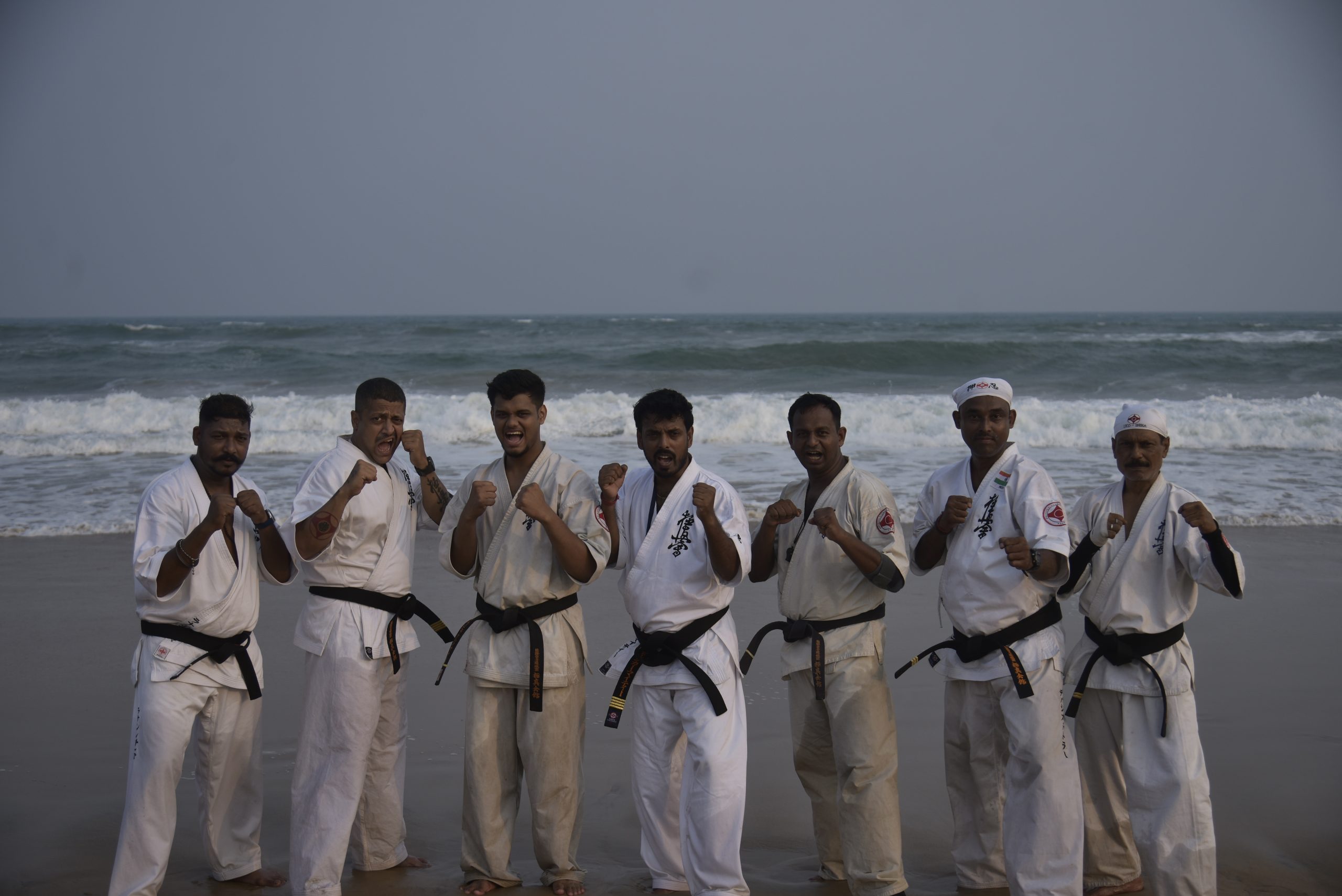
Kolkata’s growing focus on martial arts training is opening new pathways for youth to access global career opportunities, reflecting how niche sports ecosystems can contribute to urban economic and social development. The city’s expanding network of training centres and coaching programmes is helping transform sporting skills into viable professional trajectories.
Over the past few years, structured training in disciplines such as karate has gained momentum, supported by local academies and community initiatives. Coaches and organisers suggest that the emphasis has shifted from recreational participation to performance-oriented training, with students increasingly competing at national and international levels.This shift is significant in the context of urban youth employment.Experts note that sports-based skill development can create alternative career avenues, particularly for young people from diverse socio-economic backgrounds.Beyond competitive success, opportunities are emerging in coaching, fitness training, sports management, and international collaborations.The rise of such ecosystems also highlights the importance of accessible urban infrastructure. Training facilities, open spaces, and community centres play a critical role in nurturing talent. In dense cities like Kolkata, where land is at a premium, ensuring equitable access to such infrastructure remains a key challenge for planners.From a broader development perspective, the growth of martial arts aligns with the idea of building inclusive and healthy cities.
Regular engagement in sports contributes to physical well-being, mental health, and community cohesion. Urban planners increasingly view sports infrastructure as an essential component of liveable cities, rather than a secondary amenity.The Kolkata karate career growth trend also carries economic implications. As athletes gain international exposure, cities can benefit from increased visibility, partnerships, and investment in sports-related industries.Events, training camps, and exchanges can stimulate local economies while positioning the city as a hub for specialised skills.However, experts caution that sustaining this momentum will require policy support.Structured funding, certification frameworks, and integration with educational institutions could help formalise career pathways. Without such measures, many talented individuals may struggle to transition from training to long-term professional stability.There is also a need to ensure inclusivity within the system.Gender representation, affordability of training, and outreach to underrepresented communities are critical factors that will determine whether the benefits of this growth are widely shared.The Kolkata karate career growth story illustrates how cities can leverage cultural and sporting assets to create new opportunities for their populations.
As urban economies diversify, such grassroots ecosystems may play an increasingly important role in shaping future employment landscapes.Looking ahead, the challenge for Kolkata will be to integrate sports development into its broader urban strategy—ensuring that infrastructure, policy, and community engagement work together to support both talent and inclusivity in a rapidly changing city.
Also Read:Kolkata Green Cover Heritage Shapes Urban Resilience
