


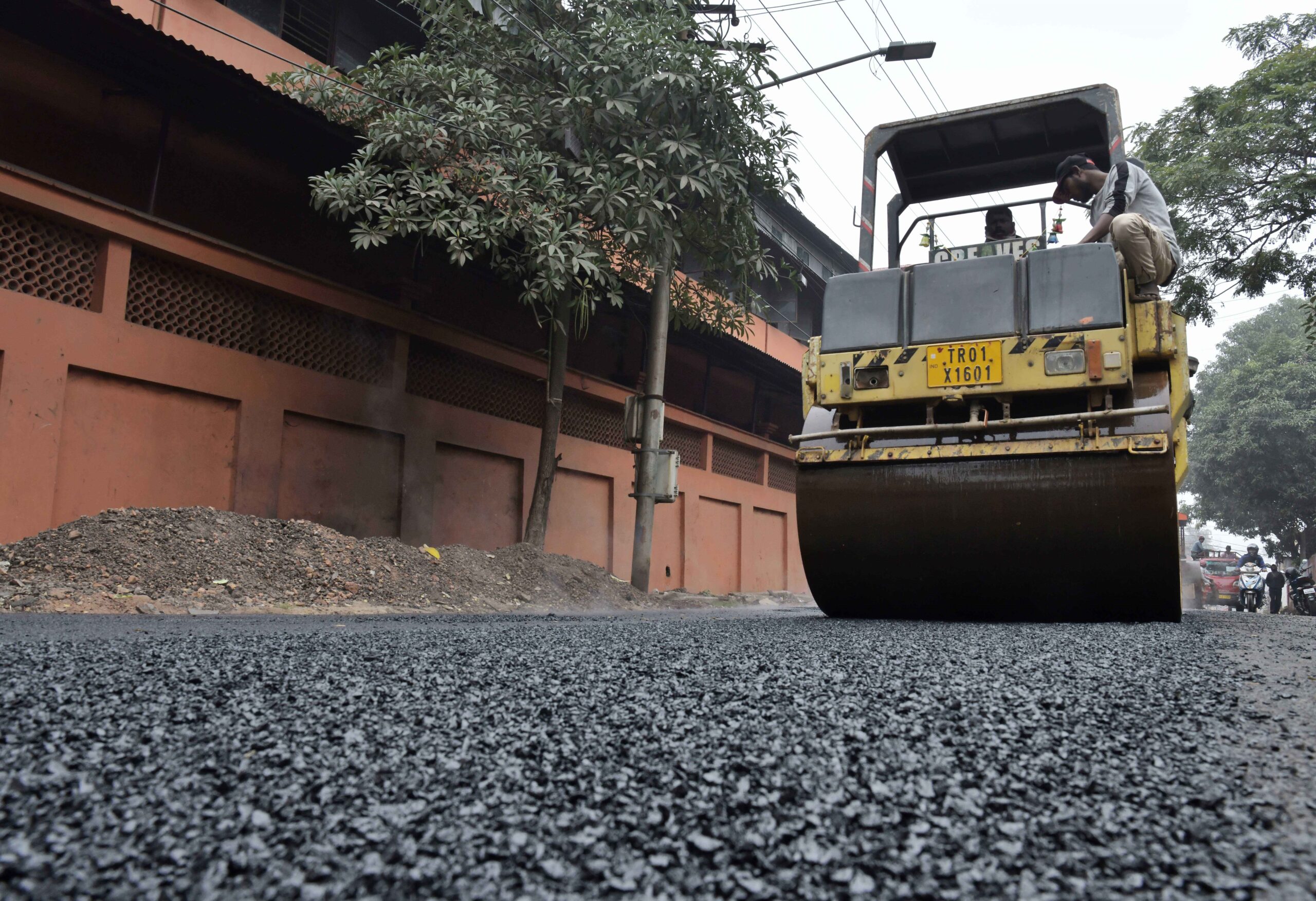
Construction has begun on a new greenfield corridor between Indore and Ujjain, a project expected to significantly reduce travel time between the two cities to around 30 minutes—reshaping regional mobility and strengthening economic linkages in Madhya Pradesh. The proposed corridor is designed as a high-speed road connecting two major urban centres with strong cultural, commercial, and industrial significance. By offering a direct and efficient route, the project aims to ease congestion on existing highways while improving the predictability of travel for commuters, businesses, and logistics operators.
Officials involved in the project indicate that greenfield development allows planners to design infrastructure from the ground up, avoiding constraints posed by existing settlements or road alignments. This approach can enhance safety, capacity, and long-term scalability. However, it also requires careful land acquisition and environmental assessment to minimise disruption to ecosystems and local communities. From an economic standpoint, the corridor is expected to unlock new growth opportunities across the region. Faster connectivity often leads to the development of peri-urban zones, industrial clusters, and real estate activity along the route. Urban planners suggest that such projects can help distribute growth more evenly, reducing pressure on core city areas while encouraging investment in surrounding regions. For daily commuters, including students and workers travelling between Indore and Ujjain, the reduction in travel time could translate into improved work-life balance and greater access to employment and education opportunities. The corridor may also support tourism flows, particularly given Ujjain’s significance as a religious destination. However, infrastructure experts caution that road-based expansion must be aligned with broader sustainability goals. While faster highways improve connectivity, they can also encourage increased private vehicle use, leading to higher emissions unless complemented by public transport integration and green mobility strategies. “Transport projects today must balance speed with sustainability,” noted a mobility expert, highlighting the need for multimodal planning. Environmental considerations will also play a critical role in the project’s long-term impact. Greenfield corridors can alter land use patterns and affect natural drainage systems if not carefully planned. Incorporating climate-resilient design elements—such as adequate drainage, green buffers, and wildlife crossings—can help mitigate these risks.
The Indore–Ujjain corridor reflects a broader trend of infrastructure-led regional development in India, where connectivity is seen as a driver of economic growth. As construction progresses, attention will increasingly turn to how the corridor integrates with existing transport systems and whether it can support inclusive, low-carbon mobility. For the region, the project represents both an opportunity and a test—demonstrating whether rapid infrastructure expansion can be aligned with sustainable planning and long-term urban resilience.
ALSO READ – Indore Tree Loss Linked To Rising Urban Heat
Indore Ujjain Corridor Set To Cut Travel Time
