


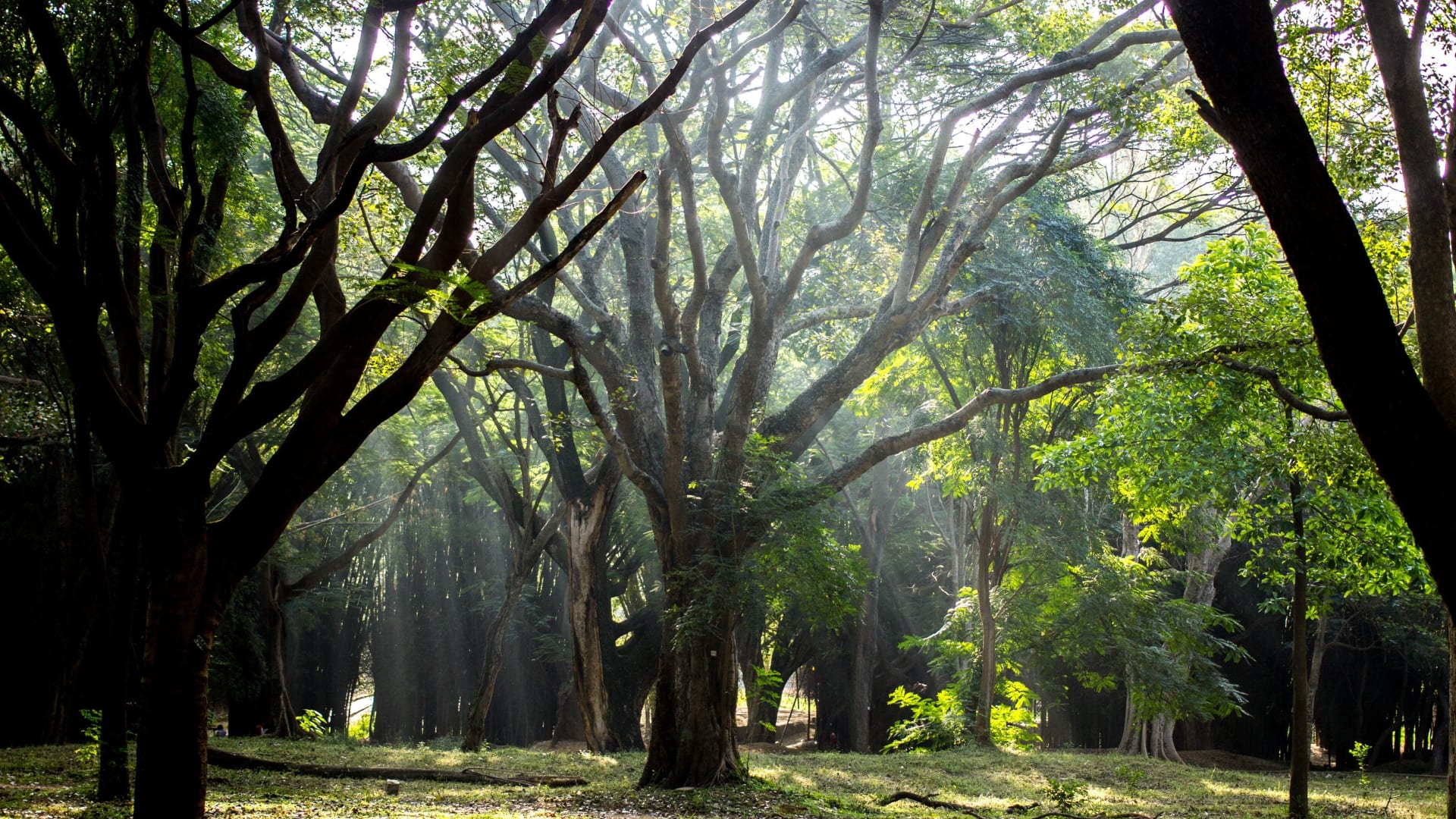
A recent academic assessment has raised concerns over rising temperatures in Indore, linking the trend to a steady decline in tree cover—highlighting how rapid urban expansion without ecological safeguards is intensifying heat stress in the city. The study, conducted by researchers from a leading technical institute, points to a measurable increase in local temperatures over recent years, particularly in densely built zones. The findings suggest that the reduction of green cover has weakened the city’s natural cooling systems, contributing to the urban heat island effect—where built-up areas retain more heat than surrounding regions.
Indore, often cited as one of India’s cleaner cities, has seen accelerated real estate and infrastructure growth. However, this expansion has come at the cost of mature trees and open spaces in several pockets. Urban planners note that trees play a critical role in regulating microclimates by providing shade, reducing surface temperatures, and improving air quality. Their absence not only raises ambient heat but also affects public health and energy consumption. The implications are particularly significant for vulnerable populations, including outdoor workers, elderly residents, and those living in densely populated neighbourhoods with limited access to cooling infrastructure. Higher temperatures can increase the risk of heat-related illnesses while also driving up electricity demand due to greater reliance on cooling appliances. Experts argue that the findings reflect a broader pattern across Indian cities, where development often prioritises built infrastructure over ecological balance. “Tree cover is not an aesthetic addition—it is core urban infrastructure,” said an environmental planner, emphasising the need to treat green spaces as essential assets in city planning. The study also underscores the importance of integrating climate-responsive strategies into urban policy. Measures such as preserving existing trees, mandating compensatory plantation with higher survival rates, and designing green corridors can help mitigate heat impacts. Additionally, incorporating reflective materials in construction and expanding water bodies can further support cooling. From a governance perspective, the challenge lies in balancing growth with sustainability.
As cities like Indore continue to expand, the absence of robust environmental safeguards could lead to long-term economic and social costs, including reduced livability and increased infrastructure strain. The findings serve as a timely reminder that climate resilience must be embedded into urban development frameworks. For Indore, reversing the trend of tree loss may be critical not only for managing rising temperatures but also for ensuring that future growth remains inclusive, healthy, and environmentally sustainable.
ALSO READ – Indore Metro Expansion Gains With Advanced TBM Deployment
Indore Tree Loss Linked To Rising Urban Heat
