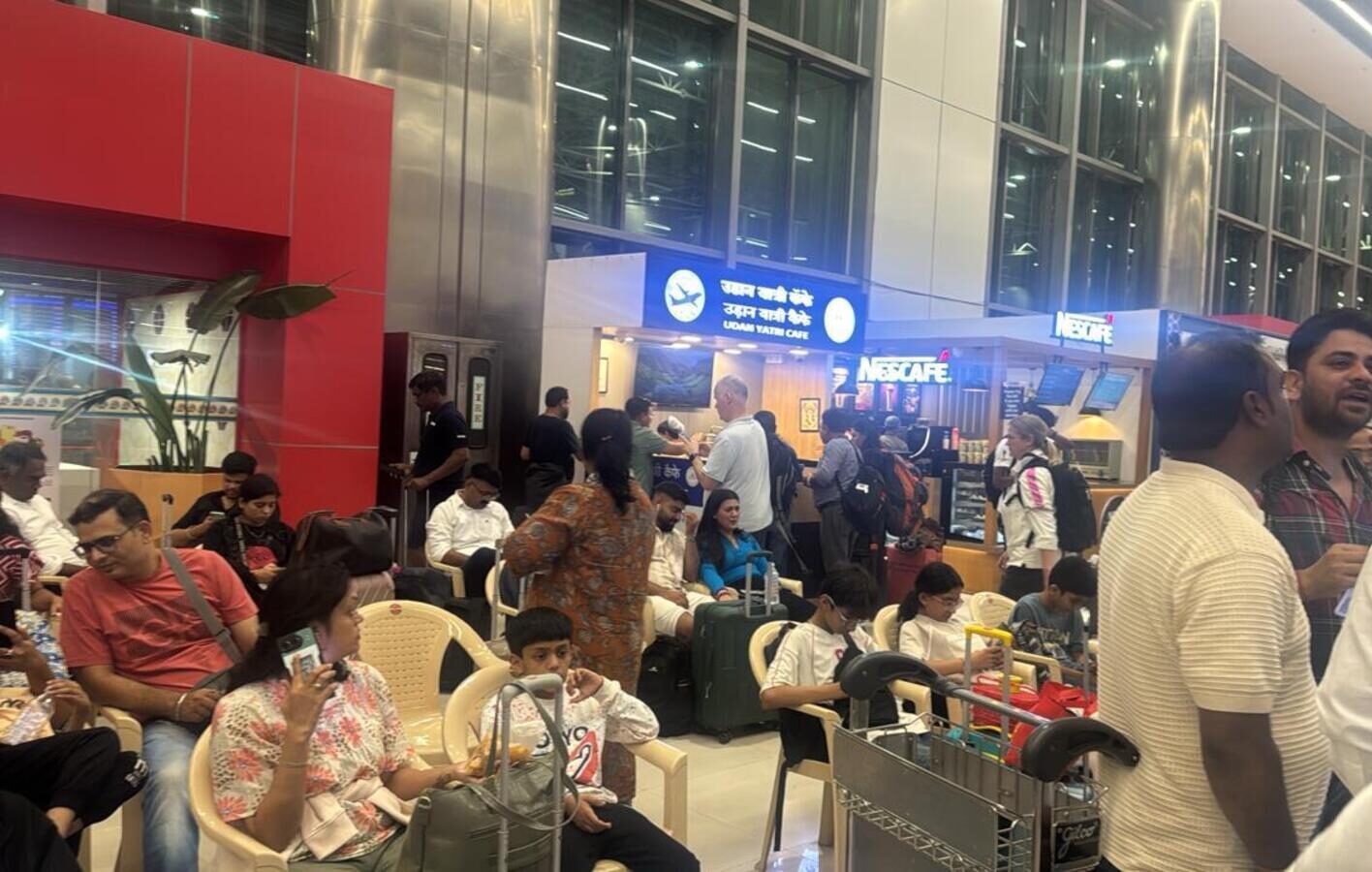
A fighter jet’s undercarriage failure during landing turned the city’s airport into a standstill zone for nearly five hours late Thursday night, forcing the cancellation of over 90 flights and leaving thousands of passengers scrambling for alternatives. The runway at Pune’s civil enclave, shared with the Indian Air Force, became unusable from approximately 10.25 pm on April 17, triggering a cascade of cancellations — 43 arrivals and 48 departures — across multiple airlines.
The disruption exposed a fundamental vulnerability in cities with dual-use military-civilian airports. When a runway serves both strategic and commercial operations, a single incident can paralyse passenger movement with little warning. In this case, the affected airlines included IndiGo, Air India, SpiceJet, Akasa Air, and Air India Express. Several incoming flights were diverted to Mumbai, Goa, and Surat. Nearly half of the affected passengers cancelled their journeys outright and sought refunds. Airport authorities activated emergency protocols. A senior official confirmed that an operations control room was set up immediately, with coordinated deployment of teams across passenger areas alongside central industrial security forces, the Air Force, and airline staff. By 3.30 am, nearly 80 percent of stranded passengers had been cleared through cancellations, rescheduling, or alternative travel options — including departures from Mumbai. But official statistics tell only part of the story.
Passengers described a night of chaos and improvisation. One traveller bound for Delhi took a taxi to Mumbai past midnight to catch a rescheduled flight and avoid missing an urgent meeting. Another, travelling with family, remained at the airport until morning, noting that while basic arrangements for seating, food, and water were made, the wait was gruelling. For passengers without the means or flexibility to travel overnight to another city, the options were limited to cancellation or an indefinite wait.The incident raises broader questions about infrastructure resilience in single-runway airports handling growing passenger volumes. Pune Airport has seen steady traffic growth, but without a secondary runway or dedicated contingency protocols for military-related disruptions, the system remains brittle. A detailed report has been submitted to the Airports Authority of India headquarters. Operations gradually normalised after the runway was cleared. But for the 90-plus flights cancelled and the thousands of passengers affected, the memory of a night spent in limbo will linger. The lesson for urban infrastructure planners is clear: redundancy and contingency planning are not luxuries — they are necessities when a single point of failure can ground an entire city’s air connectivity.
Pune Airport Eases Passenger Rush by 3:30 AM After Runway Issue Hits 90+ Flights