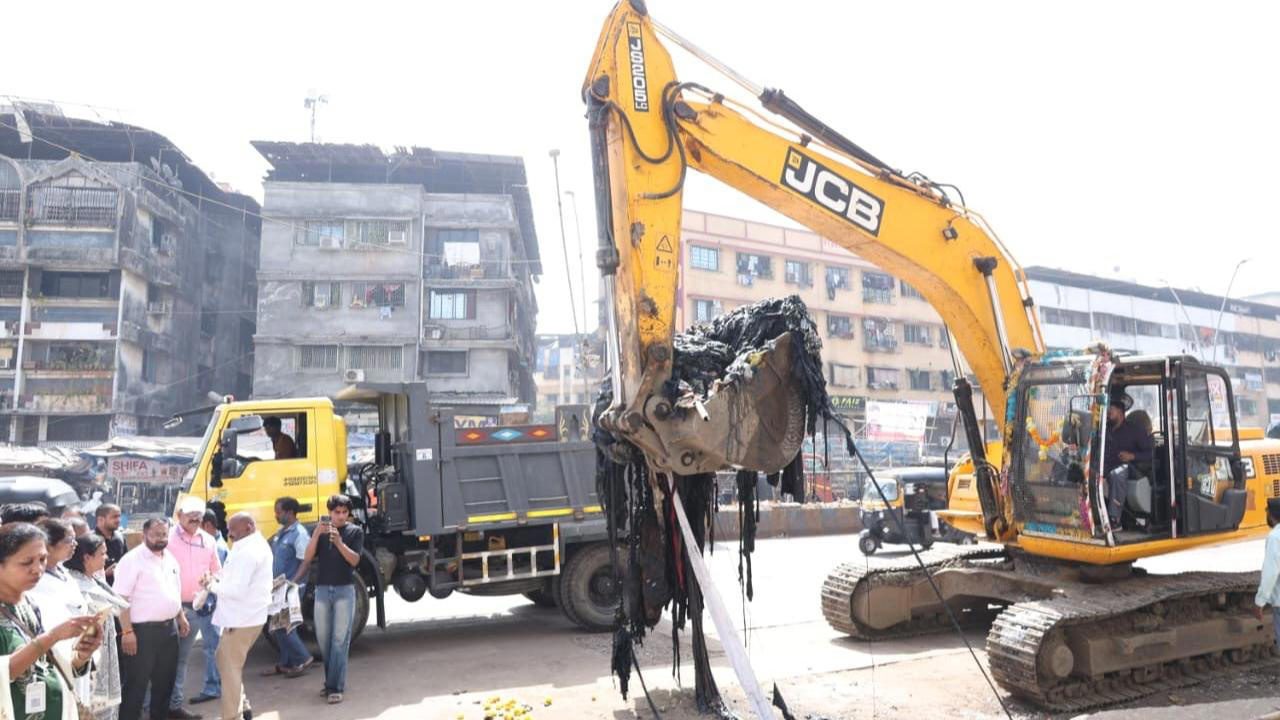
Thane has accelerated its pre-monsoon drain cleaning operations, aiming to reduce flood risks ahead of the rainy season, as civic authorities push for faster completion of desilting across key urban corridors. The intensified effort reflects growing urgency to strengthen city resilience amid recurring monsoon disruptions and rapid urban expansion. Municipal teams have begun large-scale desilting work across multiple zones, with a target to clear nearly 186 kilometres of drainage networks before the end of May. Senior officials recently conducted field inspections across critical stretches, focusing on both the pace and quality of the ongoing Thane pre monsoon drain cleaning exercise. The directive emphasises not only clearing blockages but also ensuring that removed silt is scientifically handled and transported away, rather than left along roads where it can re-enter drains.
Urban planners highlight that such measures are essential in cities like Thane, where increased construction activity and dense development have altered natural drainage patterns. Encroachments, waste dumping, and ageing infrastructure have compounded the risk of waterlogging, making systematic Thane pre monsoon drain cleaning a key preventive strategy rather than a seasonal routine. To expedite operations, the civic body has deployed multiple contractors and introduced mechanised solutions, including robotic equipment for larger drains. Narrower channels continue to be cleared manually, with safety measures such as protective gear and on-site medical support being provided to workers. Officials indicate that daily monitoring systems have been put in place to track progress and address logistical challenges in real time. Alongside desilting, structural concerns have emerged during inspections. Several culverts and protective barriers along drainage channels were found to be in deteriorated condition, prompting calls for technical audits and timely repairs.
Experts note that addressing such vulnerabilities is critical, as weak infrastructure can exacerbate flooding even when drains are cleared. Inter-agency coordination has also become a priority, particularly in areas where drainage networks intersect with major transport corridors. Authorities are working with regional infrastructure agencies to ensure that roadworks, metro construction, and highway projects do not obstruct water flow during heavy rainfall. This collaborative approach is increasingly seen as necessary in complex urban environments where multiple agencies share responsibility. Environmental analysts argue that while pre-monsoon drives are important, cities must move towards year-round maintenance and integrated stormwater management systems. Climate variability is intensifying rainfall patterns, making episodic interventions less effective. Sustainable solutions, including better waste management and green infrastructure, could help reduce long-term pressure on drainage networks.
As Thane advances its preparedness efforts, the effectiveness of the Thane pre monsoon drain cleaning campaign will be tested during the upcoming monsoon. The focus now shifts to consistent execution, infrastructure upgrades, and citizen participation in keeping drainage systems free from waste—factors that collectively determine how well the city withstands seasonal flooding challenges.