


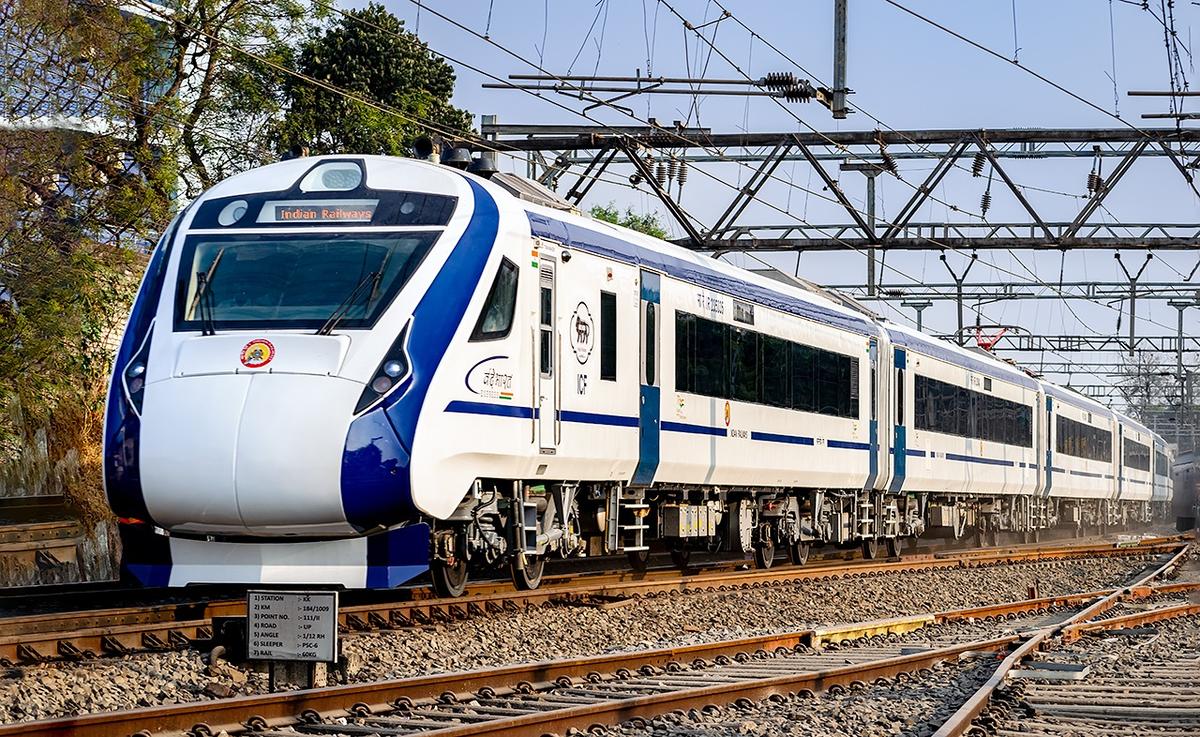
Nagpur is set to benefit from a new phase of railway system upgrades as part of broader infrastructure contracts aimed at modernising rail operations across key corridors. The development signals a shift towards technology-driven transport systems in the city, where rail networks play a vital role in both regional connectivity and urban mobility. Industry sources indicate that the latest contracts focus on enhancing signalling systems, communication networks, and passenger information services.
These upgrades, though less visible than physical infrastructure, are essential for improving operational safety, reducing delays, and increasing network capacity. The Nagpur railway infrastructure expansion reflects a growing emphasis on smarter, more efficient transport systems. Urban transport experts highlight that cities like Nagpur, which serve as major logistical and transit hubs, stand to gain significantly from such interventions. Improved signalling allows trains to operate at closer intervals with greater precision, optimising track usage without the need for large-scale physical expansion. This can help accommodate rising passenger and freight demand more sustainably. The Nagpur railway infrastructure expansion also aligns with broader urban development goals. As cities expand, integrating rail systems with other modes of transport such as buses, metro networks, and last-mile connectivity becomes crucial. Enhanced railway operations can support this integration by offering reliable backbone connectivity across urban and peri-urban areas. From an economic perspective, modern rail systems contribute to efficiency in goods movement and workforce mobility. Nagpur’s strategic location as a logistics hub makes such upgrades particularly relevant, as improved rail infrastructure can reduce transit times and operational costs for businesses. This, in turn, supports regional economic growth and investment. Environmental considerations further strengthen the case for railway modernisation. Rail transport is generally more energy-efficient compared to road-based alternatives, especially for long-distance and bulk movement. By improving system efficiency, the Nagpur railway infrastructure expansion can contribute to lower emissions and support cleaner transport networks. However, experts caution that technology upgrades must be complemented by consistent maintenance and capacity-building within operating agencies. Ensuring that new systems are effectively integrated and managed will be key to realising their full potential. There is also a need to ensure that passenger-facing improvements such as real-time information systems are accessible and user-friendly, particularly for diverse commuter groups.
Inclusive design and ease of use remain critical factors in enhancing public transport adoption. As Nagpur continues to evolve as a central node in India’s transport network, investments in railway modernisation are expected to play a defining role in shaping its mobility future. The current phase of upgrades highlights a move towards smarter infrastructure that balances efficiency, sustainability, and user experience.
ALSO READ – Nagpur MIHAN SEZ Seeks More Feeder Bus Services
Nagpur Rail Infra Push Signals Transit Modernisation Shift
