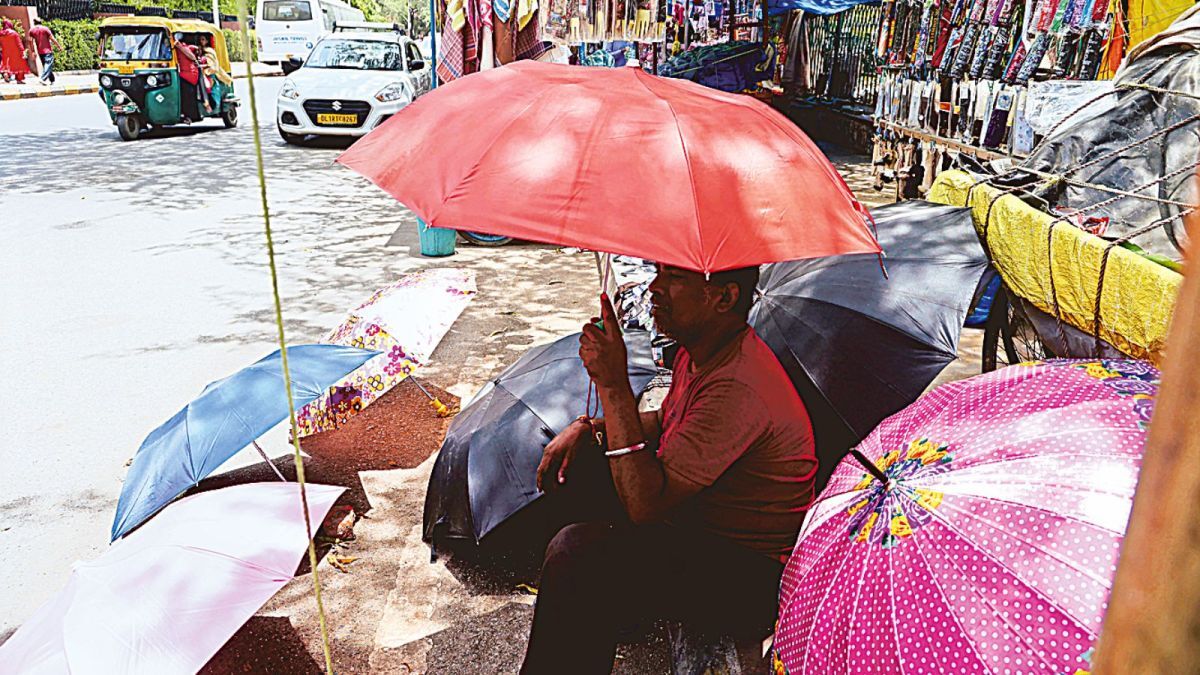
A fresh heat wave alert across Delhi-NCR has placed the region on notice, with meteorological authorities forecasting a sharp rise in daytime temperatures over the coming days. The advisory, issued as a yellow alert, signals potentially hazardous conditions for residents, particularly vulnerable populations, while raising broader concerns about how rapidly expanding urban regions are coping with extreme climate patterns.
Forecasts indicate that maximum temperatures could climb well above seasonal averages, intensifying heat stress across dense urban clusters. For a region already grappling with high population density, traffic congestion, and limited green cover in several zones, the Delhi NCR heat wave underscores the growing mismatch between urban growth and climate preparedness.
Urban planners note that heat waves are no longer isolated weather events but recurring stressors shaped by the built environment. Large stretches of concrete, shrinking water bodies, and reduced tree cover contribute to the “urban heat island” effect, where cities experience significantly higher temperatures than surrounding rural areas. In Delhi-NCR, this effect is amplified by rapid real estate expansion and infrastructure projects that often prioritise speed over climate sensitivity.
Public health implications are equally pressing. Extended exposure to high temperatures increases the risk of dehydration, heatstroke, and respiratory distress, especially among outdoor workers, elderly citizens, and children. Informal sector workers—who form a substantial part of the urban workforce—remain particularly exposed due to limited access to cooling infrastructure or flexible working conditions. Experts suggest that city-level heat action plans need to move beyond advisories and incorporate enforceable safeguards for labour and public safety.
The Delhi NCR heat wave also places additional strain on infrastructure systems. Electricity demand typically surges during such periods due to increased cooling needs, often testing grid resilience. Water demand spikes simultaneously, exposing distribution inefficiencies and inequities in access, especially in peri-urban and informal settlements. These overlapping pressures reveal systemic vulnerabilities in how urban services are planned and delivered.
Climate analysts point out that such extreme weather events are consistent with broader warming trends linked to climate change. While short-term responses—such as alerts and emergency services—remain necessary, long-term mitigation requires structural interventions. These include expanding urban green spaces, adopting heat-resilient building materials, promoting reflective roofing, and redesigning public spaces to prioritise shade and ventilation.
As temperatures continue to rise, the situation highlights the urgency for cities like Delhi to integrate climate resilience into everyday planning decisions. The immediate challenge lies in protecting citizens from heat-related risks, but the longer-term task is reimagining urban development to reduce vulnerability. With extreme weather becoming more frequent, how cities respond now will shape their sustainability and liveability in the years ahead.