


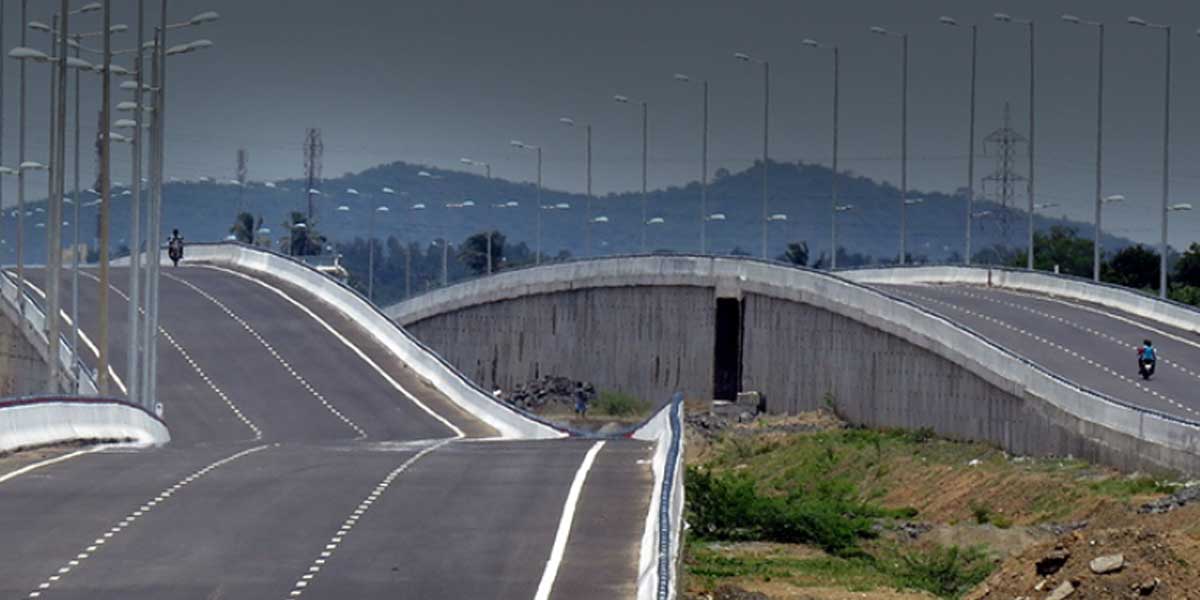
A new urban development roadmap unveiled ahead of Tamil Nadu’s 2026 elections places Chennai’s mobility, civic infrastructure, and employment generation at the centre of policy focus.
The plan outlines a set of targeted interventions aimed at addressing long-standing urban challenges while positioning the city for future economic growth.At the core of the blueprint is a renewed emphasis on mobility. Proposals include expanding public transport networks, improving last-mile connectivity, and reducing congestion across key corridors. Urban planners note that efficient transit systems are critical for a city like Chennai, where rapid expansion has increased pressure on road infrastructure and commute times. Enhancing mobility is also seen as essential for lowering emissions and supporting climate-resilient urban development.Civic infrastructure upgrades form another key pillar of the plan.Commitments to improve drainage systems, waste management, and water supply reflect the city’s ongoing struggle with flooding, sanitation, and resource management. Experts highlight that integrated infrastructure planning—linking water, waste, and transport systems—is necessary to build resilience against extreme weather events and population growth.The roadmap also places significant focus on job creation, particularly in technology-driven sectors. By promoting innovation ecosystems and supporting emerging industries, the plan aims to strengthen Chennai’s position as a major economic hub.
Analysts suggest that aligning infrastructure development with employment opportunities can create more balanced urban growth, reducing spatial and economic disparities.Digital governance and smart city initiatives are expected to play a supporting role.Improved data systems and streamlined administrative processes could enhance service delivery and transparency.However, experts caution that technology adoption must be accompanied by institutional capacity building to ensure effective implementation.From an inclusivity perspective, the blueprint underscores the need to extend benefits across different socio-economic groups.Access to reliable public transport, basic services, and employment opportunities remains uneven across the city. Addressing these gaps will be critical for ensuring that development outcomes are equitable and sustainable.Environmental sustainability is an underlying theme throughout the proposals. Expanding green infrastructure, promoting energy-efficient systems, and improving urban planning practices are seen as essential steps toward reducing the city’s carbon footprint.Given Chennai’s vulnerability to climate risks, integrating sustainability into every aspect of development is increasingly viewed as a necessity rather than an option.The success of the Chennai mobility blueprint will depend on execution, funding, and coordination across multiple agencies. Past experiences suggest that implementation challenges can dilute the impact of ambitious plans if not addressed early.
As the city moves toward the next electoral cycle, the focus on mobility, infrastructure, and jobs reflects a shift toward more comprehensive urban policy frameworks. If effectively delivered, the blueprint could contribute to building a more connected, inclusive, and resilient Chennai, aligning economic growth with long-term sustainability goals.
Also Read:Chennai Heatwave And Tamil Nadu Weather Imbalance
