


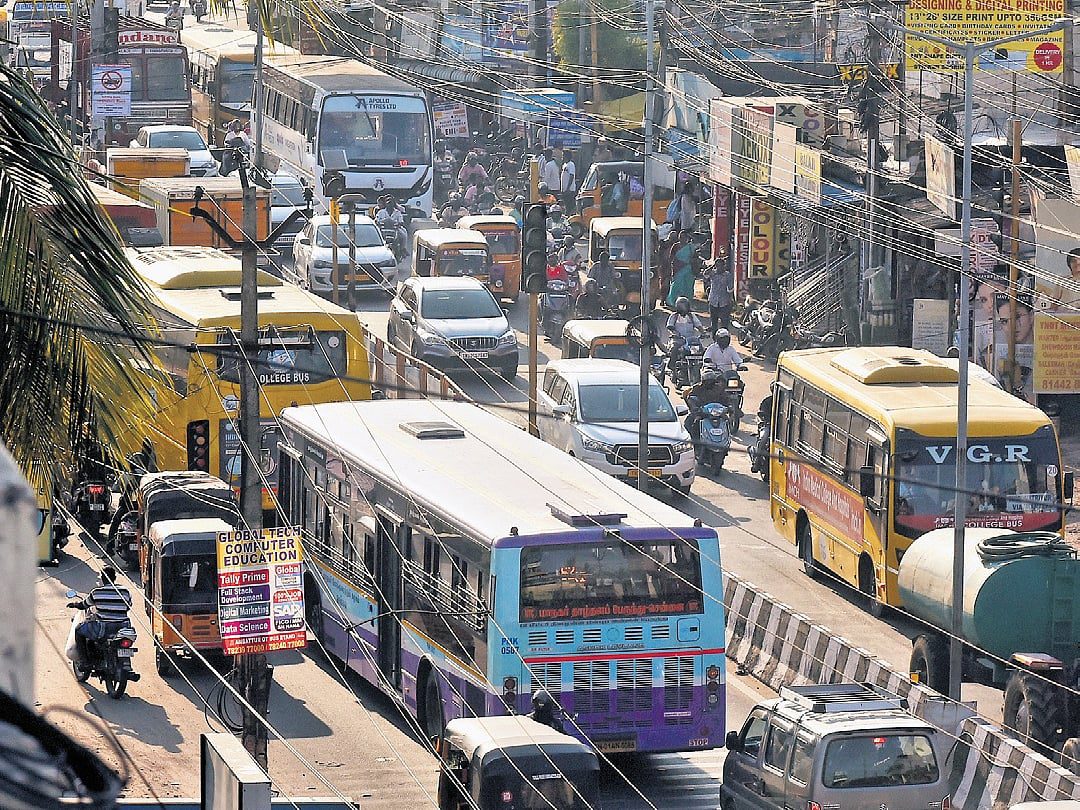
Civic infrastructure and service delivery have emerged as central themes in Chennai’s local electoral discourse, with candidates outlining commitments to address long-standing urban challenges raised by resident associations.
The focus on neighbourhood-level issues reflects a growing demand for responsive governance in a city grappling with rapid expansion and uneven infrastructure distribution.Key concerns highlighted during recent engagements include drainage inefficiencies, road maintenance, waste management, and water supply reliability.These issues, frequently raised by citizen groups, point to systemic gaps in urban planning and execution. Analysts note that such hyperlocal concerns often reveal deeper structural challenges in municipal governance, including coordination between agencies and funding constraints.The emphasis on civic solutions also underscores the evolving role of resident welfare associations in shaping urban policy conversations. In Chennai, these groups are increasingly acting as intermediaries between citizens and policymakers, pushing for accountability and timely interventions. Their involvement signals a shift toward more participatory forms of urban governance, where local voices influence decision-making processes.From an infrastructure standpoint, the promises reflect the need for integrated planning rather than isolated fixes. Experts argue that recurring issues like waterlogging and waste accumulation cannot be resolved through short-term measures alone. Instead, cities require comprehensive strategies that combine improved drainage systems, sustainable waste processing, and efficient service delivery mechanisms.
The electoral focus on civic amenities also highlights broader questions of equity. Access to reliable infrastructure often varies significantly across neighbourhoods, with underserved areas facing disproportionate challenges. Addressing these disparities is critical for building inclusive cities, where basic services are not determined by location or income levels.Environmental resilience is another underlying theme in the discussions. Chennai’s vulnerability to extreme weather events, including floods and heatwaves, has brought attention to the need for climate-sensitive urban planning. Experts suggest that investments in green infrastructure, improved stormwater management, and sustainable land use practices are essential to mitigate future risks.At the same time, the feasibility of implementing these commitments remains a key concern. Urban governance in large cities involves multiple stakeholders, and translating promises into action requires institutional capacity, financial resources, and long-term planning. Observers caution that without systemic reforms, incremental improvements may fall short of addressing root causes.For Chennai, the prominence of civic issues in electoral narratives signals a shift toward more grounded policy priorities. As urban populations grow and expectations rise, the effectiveness of governance will increasingly be measured by the quality and reliability of everyday services.
Looking ahead, the challenge will be to convert electoral commitments into sustained improvements. Strengthening accountability frameworks, enhancing citizen participation, and aligning infrastructure investments with sustainability goals will be crucial for ensuring that Chennai’s urban development remains both inclusive and resilient.
Also Read:Chennai Themed Park Urban Leisure Infrastructure Growth
