


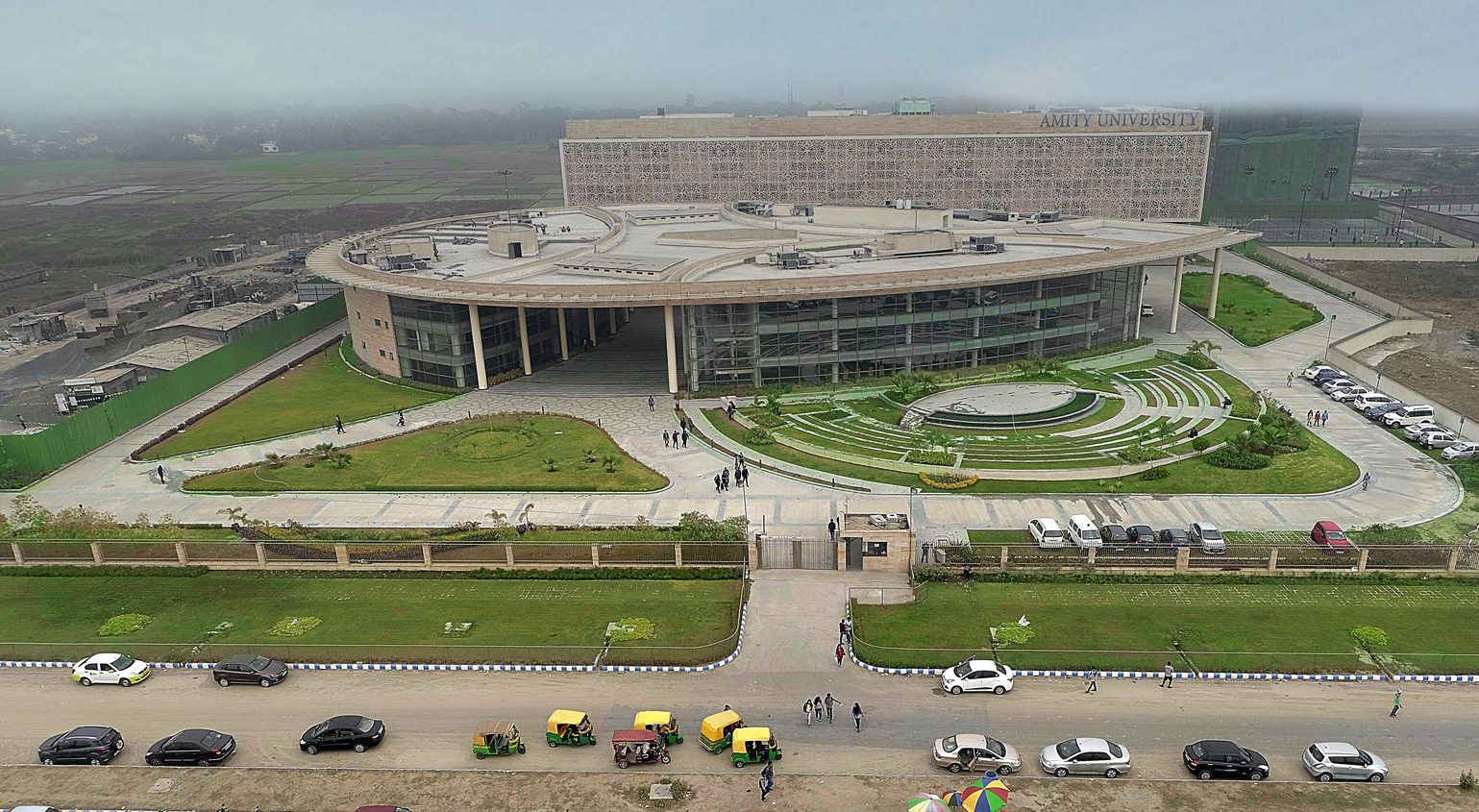
Kolkata’s higher education ecosystem is witnessing steady expansion driven by the growth of private institutions, with campuses such as NSHM Knowledge Campus contributing to the city’s evolving academic infrastructure.
This trend reflects a broader shift in India’s urban education landscape, where private players are increasingly supplementing public systems to meet rising demand for specialised and industry-linked courses.The expansion of institutions like NSHM Knowledge Campus highlights how cities are adapting to a growing student population seeking diverse academic pathways. With traditional universities often constrained by capacity and administrative delays, private campuses are positioning themselves as flexible alternatives offering professional programmes in fields such as management, media, and healthcare.Urban analysts suggest that such developments are reshaping Kolkata’s role as an education hub in eastern India. The city has long been known for its legacy institutions, but newer campuses are introducing modern infrastructure, updated curricula, and closer industry linkages. This shift is helping align education outcomes with labour market needs, a key factor in strengthening urban economies.However, the rise of private campuses also raises questions around accessibility and affordability. While they expand capacity, higher fee structures can limit access for students from lower-income backgrounds.Experts emphasise the need for policy frameworks that ensure equitable opportunities, including scholarships, financial aid, and regulatory oversight to maintain quality standards.
From an urban planning perspective, the growth of educational infrastructure has implications for land use, transport, and local economies. Campuses often act as micro-centres of activity, generating demand for housing, retail, and services in surrounding areas. If integrated effectively into city planning, they can support transit-oriented development and reduce pressure on central business districts.Sustainability considerations are also becoming increasingly relevant. Newer campuses have the opportunity to incorporate energy-efficient buildings, water management systems, and green spaces, contributing to climate-resilient urban environments. Planners note that educational institutions can play a leading role in demonstrating sustainable design practices at scale.The presence of institutions like NSHM Knowledge Campus also reflects changing student preferences.There is a growing emphasis on practical skills, interdisciplinary learning, and global exposure, prompting campuses to innovate in teaching methods and partnerships. This evolution is critical for cities aiming to remain competitive in attracting talent and investment.
For Kolkata, the continued expansion of private education infrastructure signals both opportunity and challenge. While it strengthens the city’s position as a knowledge centre, ensuring inclusivity, quality, and sustainability will be essential. As urban education systems evolve, the focus will increasingly shift towards balancing growth with equitable access and long-term resilience.
Also Read:Kolkata Policy Dialogue Highlights Urban Governance Gaps
