


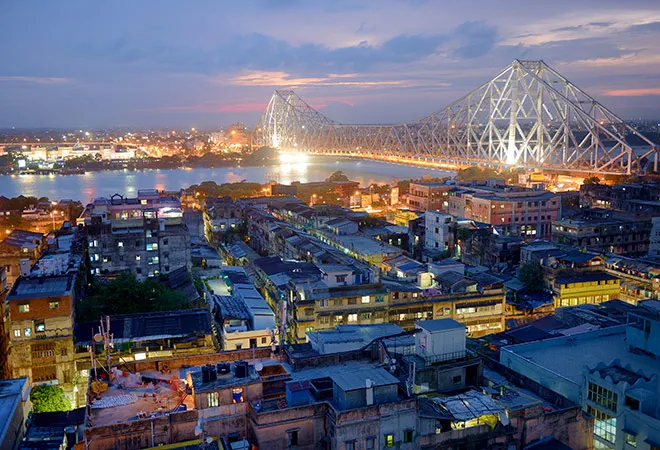
A recent political outreach in Kolkata has brought development, governance, and economic equity into sharper focus, with calls for structural changes to address urban and regional disparities.
The engagement, led by a senior state leader from another region, underscores how cities like Kolkata are increasingly becoming platforms for cross-state dialogue on growth models and public policy priorities.The interaction emphasised the need for development strategies that balance economic expansion with social inclusion. In a city with a dense population and layered infrastructure challenges, such conversations resonate strongly with ongoing debates around equitable urban growth. Experts point out that metropolitan centres are under pressure to deliver not only jobs and infrastructure but also accessible public services that cater to diverse income groups.Kolkata’s role as a historic commercial and cultural hub makes it a natural setting for discussions on governance reforms. Urban analysts note that while the city has made progress in transport and public amenities, gaps remain in areas such as employment generation, housing affordability, and climate resilience. Calls for change often centre on improving institutional efficiency and strengthening coordination between different levels of government.
The outreach also reflects a broader trend of political leaders engaging with urban constituencies beyond their home states.Such interactions can influence policy thinking, particularly in areas like sustainable infrastructure, public transport, and resource management. Industry observers suggest that sharing governance experiences across regions may help identify scalable solutions to common urban challenges.From an economic standpoint, the emphasis on development aligns with the need to revitalise urban growth engines. Cities like Kolkata are looking to attract investment while ensuring that growth benefits are distributed more evenly. This includes supporting small businesses, enhancing skill development, and improving connectivity within and beyond the city.Environmental sustainability formed an implicit backdrop to the discussion. As climate risks intensify, urban centres must integrate resilience into planning processes.Experts highlight that development strategies should prioritise green infrastructure, efficient resource use, and reduced carbon footprints to ensure long-term viability.For citizens, the significance of such engagements lies in their potential to shape policy direction. While political dialogues do not immediately translate into tangible outcomes, they contribute to setting agendas and building consensus around key issues.The challenge, however, remains in translating broad calls for change into actionable policies that address on-ground realities.
As Kolkata continues to navigate its development trajectory, the focus on inclusive growth, governance reform, and sustainability is likely to remain central. The effectiveness of these discussions will ultimately depend on how they influence decision-making and lead to measurable improvements in urban living conditions.
Also Read:Kolkata PG Academic Calendar Reform Impact
