


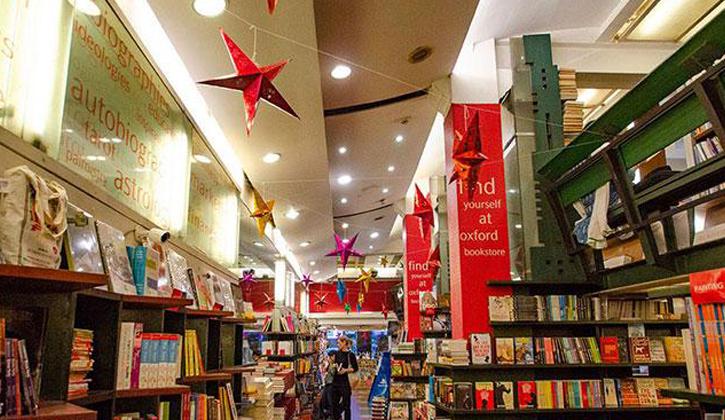
A niche Park Street stationery store in Kolkata is drawing sustained footfall, signalling a broader shift in how urban consumers are engaging with small-format retail spaces.
Located in one of the city’s most prominent commercial corridors, the outlet’s popularity reflects changing consumption patterns where experience, design, and emotional value increasingly shape purchasing decisions.Unlike conventional stationery outlets, the store curates products that combine utility with aesthetic appeal, positioning itself closer to a lifestyle destination than a functional retail point. This evolution in retail design is gaining traction across Indian metros, where younger consumers are seeking tactile, personalised alternatives to digital-heavy lifestyles. Urban planners note that such formats contribute to “micro-experiential economies” within dense city centres.The rise of a Park Street stationery store as a destination highlights how high-street retail is adapting to post-pandemic realities. With e-commerce dominating routine purchases, physical stores are being forced to reinvent themselves as immersive spaces. Industry observers suggest that smaller, independent retailers are often more agile in responding to this shift, experimenting with layout, product diversity, and customer engagement strategies.From an urban development perspective, this trend holds significance for city planning and commercial zoning. High streets like Park Street have traditionally been dominated by food, hospitality, and apparel businesses.
The emergence of niche retail formats introduces diversity into the commercial mix, which can improve economic resilience and reduce dependency on a single sector. It also enhances walkability by encouraging exploratory consumer behaviour, a key aspect of people-first urban design.However, the growth of such specialised retail raises questions about affordability and inclusivity.Premium product positioning can limit accessibility for a wider demographic, potentially reinforcing socio-economic divides in consumption spaces. Urban economists argue that while boutique retail contributes to local economic vibrancy, balanced development requires a mix of price points and offerings to ensure equitable access.Environmental considerations also intersect with this shift. While stationery products are often associated with paper consumption, many new-age retailers are integrating sustainable materials, recycled inputs, and longer-lasting goods into their inventory.Experts say that if scaled responsibly, such outlets could support low-waste consumption models in urban retail ecosystems.
For Kolkata, the success of this Park Street stationery store underlines the continued relevance of physical retail in an era of digital convenience. It also points to the potential of curated, small-scale enterprises in revitalising legacy commercial districts without large infrastructure interventions. As cities look to balance economic growth with sustainability and inclusivity, such developments offer insight into how retail spaces can evolve to meet both market demand and civic priorities.
Also Read:Bengaluru library reopening boosts cultural spaces
