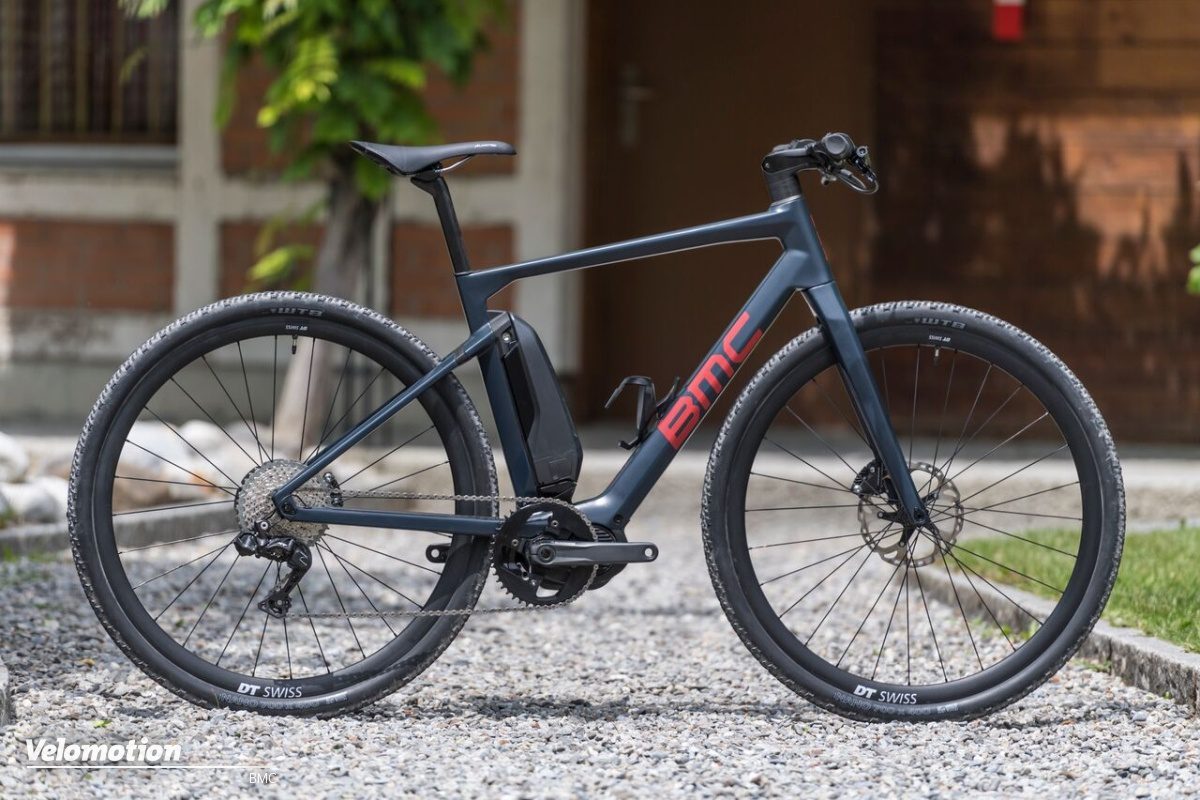
A new generation of electric road bicycles is beginning to reshape perceptions of urban mobility, as manufacturers push for lighter, more efficient designs that blur the line between conventional cycling and motor-assisted travel. The launch of the BMC Teammachine AMP highlights this transition, signalling how performance-focused innovation could influence everyday commuting and sustainable transport choices in dense cities. Weighing under 10 kilograms, the BMC electric road bike enters a segment traditionally dominated by heavier e-bikes. This shift is significant for urban environments where weight, manoeuvrability, and energy efficiency directly affect usability. Lighter e-bikes are easier to integrate into multimodal transport systems, enabling riders to combine cycling with public transit—an increasingly important feature in cities working to reduce carbon emissions.
At its core, the BMC electric road bike relies on a compact motor system designed to amplify human effort rather than replace it. Unlike bulkier electric bicycles that prioritise raw power, this model focuses on maintaining a natural riding experience. Industry analysts suggest such designs could appeal to a wider demographic, including commuters who may otherwise avoid e-bikes due to their size, cost, or perceived complexity. The engineering emphasis on carbon fibre construction and integrated components reflects a broader trend in sustainable mobility—reducing material use while improving performance. By embedding the battery and motor within the frame, the design minimises visual and aerodynamic disruption, making the bicycle nearly indistinguishable from a traditional road bike. This approach also aligns with urban design priorities, where compact, efficient mobility solutions are preferred over space-intensive alternatives. From an infrastructure perspective, the rise of lightweight electric bicycles could ease pressure on congested road networks. Urban planners argue that such vehicles, when supported by dedicated cycling lanes and safe street design, can reduce reliance on private cars for short to medium-distance travel.
This has implications not only for traffic congestion but also for air quality and public health. Battery efficiency and range remain critical considerations. Advances in energy management systems now allow riders to cover longer distances with relatively small battery units, addressing concerns around charging infrastructure. Optional range extensions further enhance flexibility, making these bicycles viable for both daily commutes and longer recreational journeys. However, experts caution that technology alone cannot drive widespread adoption. Policy frameworks, including incentives for low-emission transport and investments in cycling infrastructure, will determine whether innovations like the BMC electric road bike translate into meaningful urban change. Accessibility and affordability also remain key challenges, particularly in emerging markets where cost barriers can limit uptake.
As cities continue to grapple with climate pressures and rapid urbanisation, the evolution of e-mobility is likely to play a central role in shaping future transport systems. Lightweight, efficient electric bicycles represent a step towards more inclusive and sustainable mobility—provided they are integrated into a broader ecosystem that prioritises people over vehicles.