Mumbai Weather Update Brings Mild Heat And Clear Air
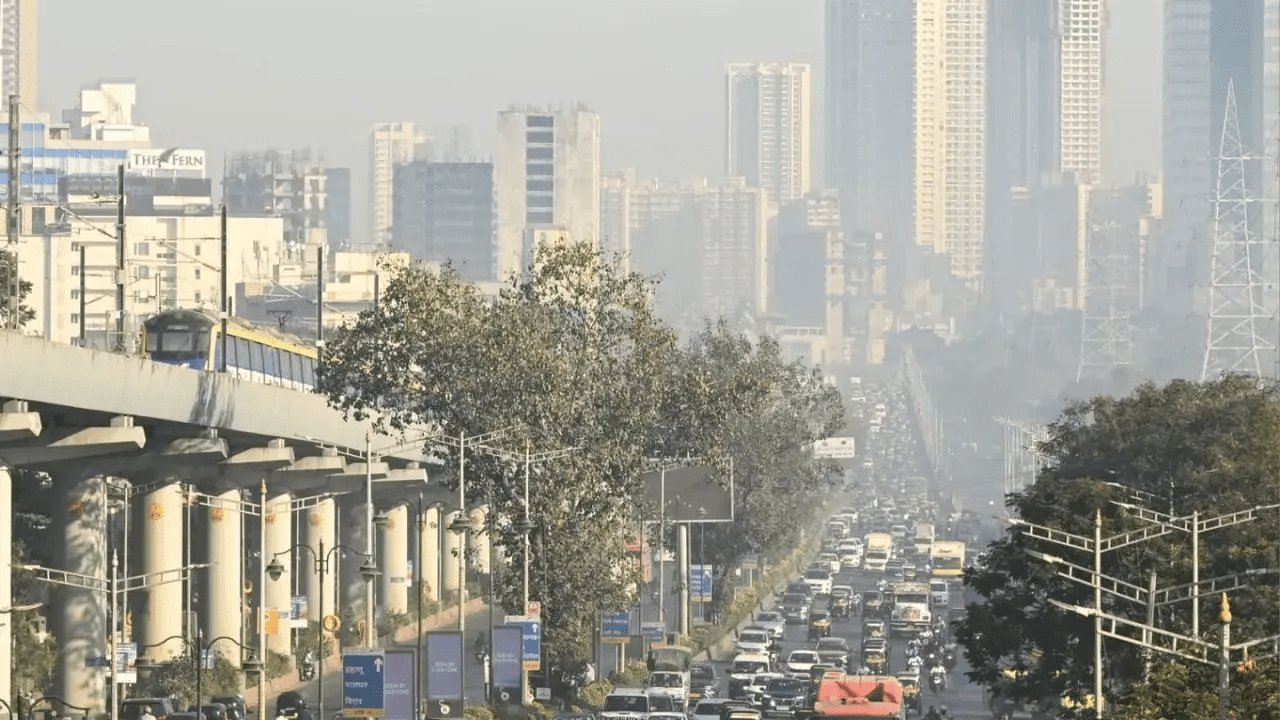
Mumbai is set to experience relatively stable atmospheric conditions, with forecasts indicating partly cloudy skies and moderate temperatures, even as large parts of Maharashtra continue to endure intense summer heat. The latest Mumbai weather update suggests a maximum temperature near 34°C and a minimum around 24°C, offering some respite compared to the extreme conditions observed inland. Air quality across the city remains within acceptable limits, with the overall Air Quality Index (AQI) recorded in the ‘satisfactory’ category. This indicates a relatively lower level of pollutants, although urban pockets with higher traffic density and industrial activity continue to report moderate pollution levels. For residents, especially those in sensitive groups, this means reduced but not negligible health risks.
However, the Mumbai weather update also reveals uneven environmental conditions across neighbourhoods. Areas such as Bandra Kurla Complex, Andheri East and Deonar are registering comparatively higher AQI levels, pointing to localised emission sources and urban congestion. In contrast, coastal and less dense zones such as Colaba and Borivali are witnessing cleaner air, highlighting the role of urban form and ventilation corridors in dispersing pollutants. Beyond Mumbai, the broader state presents a starkly different climate narrative. Interior districts across Marathwada, Vidarbha and parts of central Maharashtra are experiencing temperatures exceeding 40°C, with some locations emerging as seasonal hotspots. These regions are grappling with prolonged dry spells and heat stress, which have implications for agriculture, water demand and public health systems.
Urban climate experts note that this divergence between coastal and inland weather patterns is not unusual but is becoming more pronounced due to changing climatic conditions. Coastal humidity in Mumbai, often exceeding 80 per cent, contributes to discomfort despite lower temperatures, while inland areas face direct heat exposure without moderating sea influence. This dual challenge underscores the need for region-specific climate adaptation strategies. From an urban planning perspective, the Mumbai weather update reinforces the importance of integrating climate resilience into city design. Measures such as expanding green cover, preserving coastal ecosystems and improving air circulation through planned development can play a crucial role in maintaining air quality and thermal comfort. At the same time, reducing vehicular emissions and transitioning to cleaner energy sources remain central to sustaining air quality gains.
Looking ahead, meteorological trends indicate that while Mumbai may continue to experience relatively moderate conditions in the short term, inland heat is unlikely to ease immediately. This evolving pattern places renewed focus on how cities and regions prepare for climate variability. For policymakers and planners, the challenge lies in ensuring that infrastructure, housing and public services are equipped to respond to both heat stress and air quality fluctuations in an increasingly unpredictable environment.