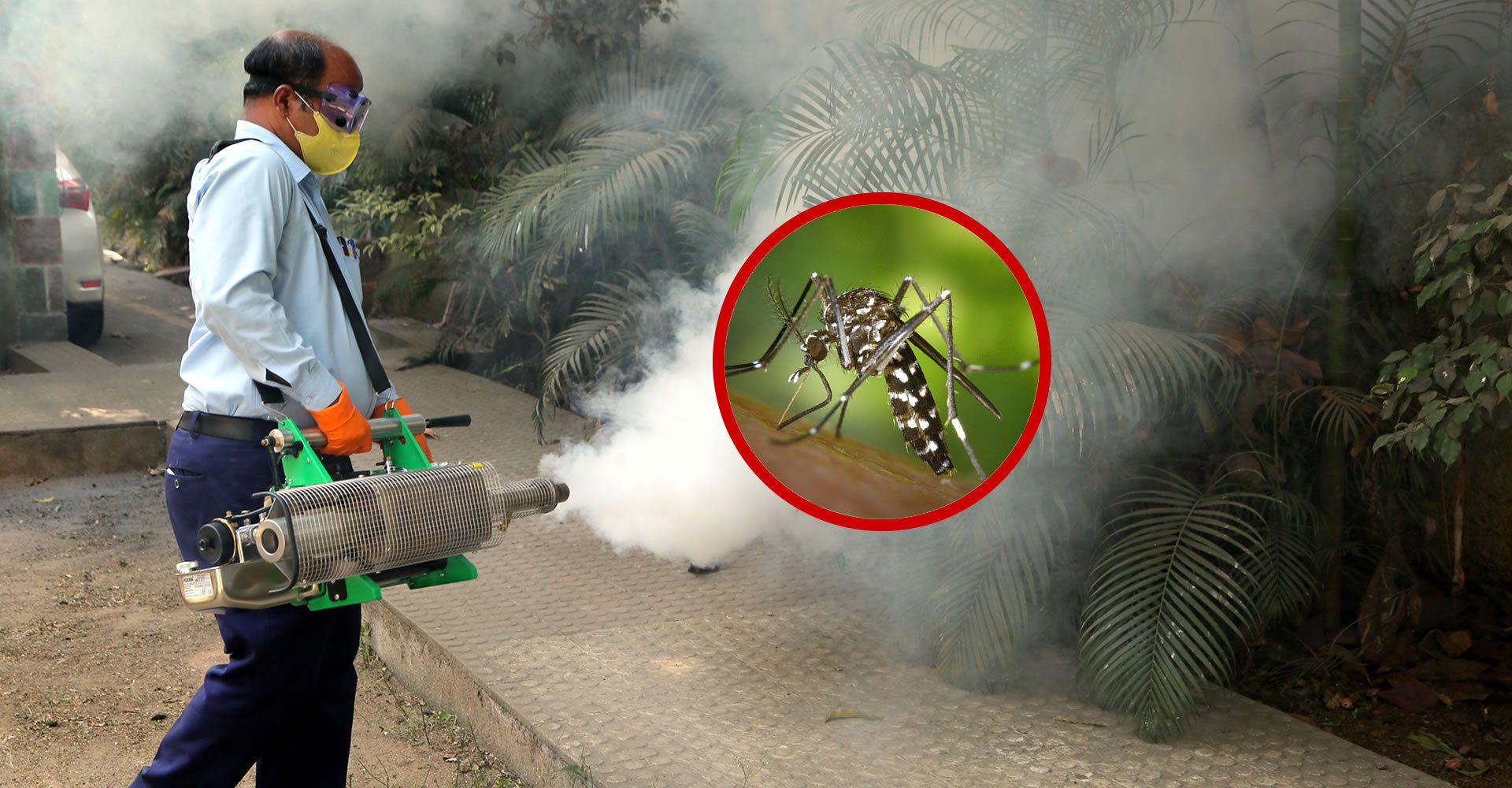
Mumbai Deploys Mosquito Control Device For Disease Prevention
Mumbai’s civic administration has introduced a new mosquito control device aimed at tackling vector-borne diseases at their source, marking a shift towards preventive and decentralised public health interventions. The initiative, currently being piloted through the city’s innovation ecosystem, focuses on disrupting mosquito breeding cycles within households, a critical step in reducing infections such as dengue and malaria in densely populated urban areas. Unlike conventional fogging or chemical spraying, which typically address adult mosquito populations, the mosquito control device targets reproduction by attracting female mosquitoes to lay eggs in a controlled environment. Once deposited, the eggs are neutralised using a regulated agent that prevents them from maturing, effectively breaking the lifecycle.
Urban health experts suggest that such early-stage intervention could complement existing municipal strategies that often struggle with recurring outbreaks during monsoon seasons. The device operates without electricity, relying instead on passive mechanisms that make it viable for widespread use across varied housing conditions, including informal settlements where consistent power supply may be unreliable. Officials involved in the programme indicate that each unit can remain functional for several weeks, reducing the need for frequent maintenance while keeping operational costs relatively low. This mosquito control device has emerged from a city-backed incubation platform that supports local startups working on urban challenges. Policy analysts note that such collaborations reflect a broader trend where municipalities are increasingly turning to innovation-led solutions to address persistent public health risks. By fostering local entrepreneurship, cities can develop context-specific technologies that are better suited to dense and diverse environments like Mumbai.
From a sustainability standpoint, the approach also reduces dependence on energy-intensive vector control measures and limits the indiscriminate use of chemical fogging, which can have environmental and health side effects. Targeted, low-energy interventions are increasingly seen as part of climate-resilient urban planning, particularly as rising temperatures and erratic rainfall patterns expand mosquito breeding habitats. However, the effectiveness of the mosquito control device will depend on community adoption and consistent usage. Public health specialists caution that household-level tools must be accompanied by awareness campaigns, waste management improvements, and regular monitoring to deliver measurable impact at scale. Without integrated action, isolated interventions may struggle to significantly reduce disease incidence.
As cities grapple with the intersection of climate change and public health, decentralised solutions like this offer a potential pathway to more resilient urban systems. If the pilot demonstrates sustained results, it could inform broader deployment strategies, not only in Mumbai but in other urban centres facing similar vector-borne disease challenges.