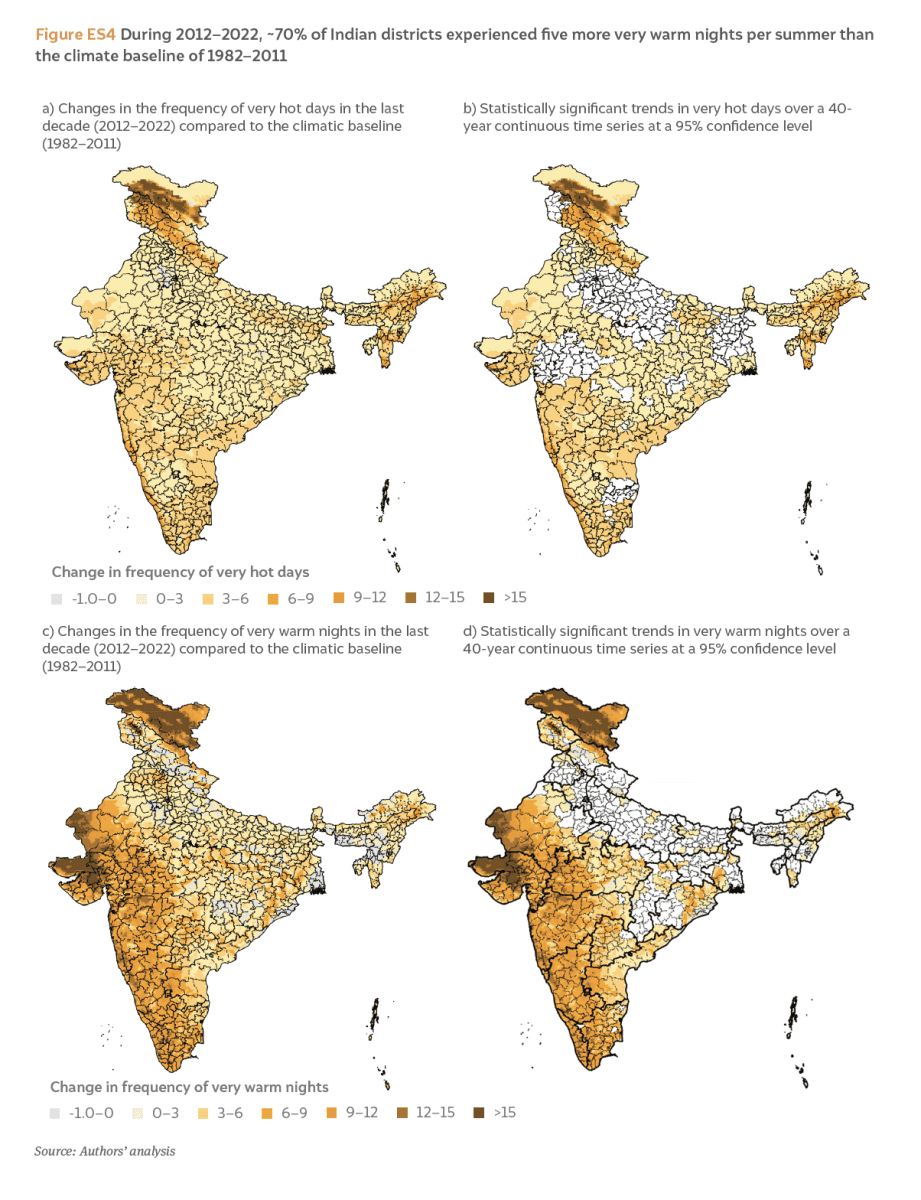
Northern India is witnessing an early and intense heatwave, with Banda emerging as the hottest location in the country while Lucknow records its highest temperature of the season so far. The spike in temperatures across Uttar Pradesh signals not just a seasonal shift, but a growing urban climate challenge for rapidly expanding cities.
Meteorological data indicates that temperatures in several districts have crossed or are nearing the 45°C mark, with Banda recording around 45.4°C—well above normal levels for this time of year. Lucknow, while slightly lower, has also experienced its hottest day this summer, with conditions intensified by urban heat retention and dense built environments. The current heatwave is being driven by clear skies, dry westerly winds, and high solar radiation, factors that are increasingly common during pre-monsoon months. However, experts suggest that the severity and early onset of such heat events are indicative of broader climate shifts, particularly in north Indian plains where urbanisation is accelerating. For cities like Lucknow, the implications extend beyond discomfort. High temperatures directly impact energy demand, water consumption, and public health systems. Increased reliance on cooling appliances places pressure on electricity infrastructure, while water scarcity risks intensify in areas with limited supply resilience. Heat stress also disproportionately affects outdoor workers, informal sector labourers, and vulnerable populations.
Urban planners point out that the built environment plays a critical role in amplifying heat. Concrete surfaces, reduced green cover, and shrinking water bodies contribute to the “urban heat island” effect, where cities remain significantly warmer than surrounding rural areas. In Lucknow, dense development patterns and expanding peri-urban zones are exacerbating this phenomenon, making heatwaves more severe and prolonged. The situation also raises questions about preparedness. While advisories have been issued urging residents to limit outdoor exposure and stay hydrated, long-term solutions require systemic interventions. These include increasing urban tree cover, promoting reflective building materials, and integrating cooling strategies into city planning frameworks. There are economic dimensions as well. Prolonged heatwaves can disrupt productivity, particularly in construction, transport, and informal sectors. Reduced working hours, health-related absences, and infrastructure strain can collectively slow urban economic activity during peak summer months. Importantly, the heatwave underscores the intersection of climate and infrastructure planning. As cities invest in transport corridors, housing, and industrial zones, integrating climate resilience into these projects is becoming essential. Without such alignment, infrastructure gains risk being undermined by environmental stress.
Forecasts indicate that temperatures may rise further in the coming days before any marginal relief, reinforcing the need for immediate mitigation and long-term adaptation strategies. As Uttar Pradesh navigates this intense summer phase, the focus is shifting from short-term response to structural resilience. For Lucknow, the current heatwave is a reminder that climate-responsive urban planning is no longer optional—it is central to sustaining liveable and inclusive cities in the face of rising environmental extremes.