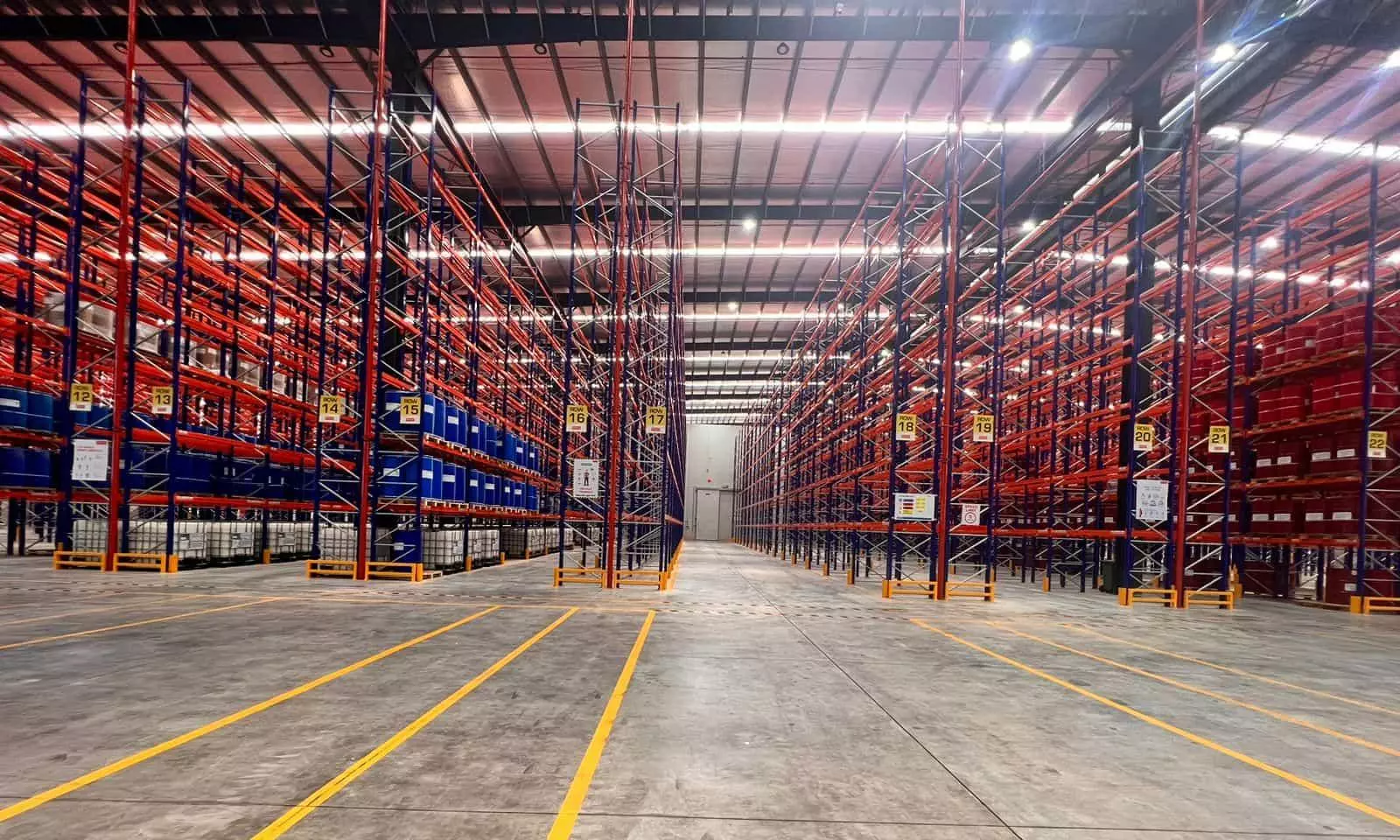
Lucknow is being positioned as a major supply and logistics hub in northern India, with policymakers linking the city’s future economic role to a rapidly expanding network of expressways, ring roads, and industrial infrastructure. The vision reflects a broader shift in regional planning, where cities are increasingly being developed as integrated nodes within national and global supply chains.
The push is anchored in connectivity upgrades. With multiple expressways, arterial highways, and the Outer Ring Road nearing integration, officials suggest that Lucknow could function as a central distribution point across a wide regional radius. This would allow goods—from agricultural produce to manufactured items—to move more efficiently between rural hinterlands and urban markets. Recent policy statements indicate that the city’s geographic position, combined with improving infrastructure, is being leveraged to strengthen its role in logistics and industrial supply networks. Enhanced connectivity is expected to reduce transit times, lower logistics costs, and improve supply chain resilience—factors that are increasingly critical in a post-pandemic, globally interconnected economy. The strategy also intersects with industrial development. Lucknow is part of a larger defence and manufacturing ecosystem, with investments in production facilities and industrial corridors aimed at boosting local output. The emergence of defence manufacturing units and electric vehicle production facilities in and around the city points to a diversification of its economic base beyond administrative and service functions.
Urban planners view this transition as a structural shift. Traditionally, Indian state capitals have evolved as administrative centres, but the current approach seeks to reposition them as economic engines. In Lucknow’s case, the supply hub model could reshape land use patterns, encourage warehousing and logistics parks, and attract private investment in transport-linked infrastructure. However, this transformation brings challenges. Logistics-driven growth often accelerates peri-urban expansion, increasing pressure on land, water, and transport systems. Without coordinated planning, such expansion can lead to fragmented development, congestion, and environmental stress. Experts caution that integrating freight corridors with urban mobility systems—particularly public transport and last-mile connectivity—will be essential to prevent infrastructure from becoming vehicle-centric. There is also a sustainability dimension. While improved logistics can reduce inefficiencies and emissions per unit of transport, increased freight movement could offset these gains unless supported by cleaner fuels, electrified transport, and multimodal systems such as rail and inland waterways.
Employment generation remains a key driver behind the push. Officials expect that expanded logistics, manufacturing, and ancillary services will create new job opportunities, particularly for youth in surrounding districts. This aligns with a broader policy focus on linking infrastructure investment with economic inclusion. Yet, experts note that job quality and skill development will determine long-term outcomes. Logistics hubs require a mix of technical, managerial, and operational skills, making workforce readiness a critical factor. As Lucknow moves towards becoming a supply hub, the success of this model will depend on how effectively infrastructure growth is aligned with sustainable urban planning. The city’s evolution from a regional administrative centre to a logistics and industrial node could redefine economic geography in northern India—provided growth is managed in a way that balances efficiency, inclusivity, and environmental resilience.