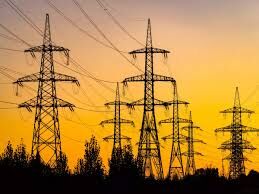
Bihar Power Network Upgrade Gains Administrative Focus
Bihar’s power infrastructure expansion has come under sharper administrative scrutiny, with a recent on-ground review of grid and substation projects in Chhapra highlighting the state’s push to strengthen electricity reliability amid growing urban and regional demand. The inspection, led by senior power utility leadership, focused on project timelines, operational safety, and service delivery outcomes—areas increasingly central to sustainable urban growth.
During the visit, officials assessed both an operational substation and a major under-construction high-capacity grid facility designed to enhance transmission efficiency across north Bihar. The project, part of a broader upgrade of the state’s electricity backbone, is expected to improve load management and reduce outages in rapidly urbanising districts. Authorities directed implementing agencies to adhere strictly to construction deadlines, emphasising that delays in transmission infrastructure can ripple across the entire urban economy. In cities and emerging towns, dependable power supply is not only critical for households but also for industrial activity, digital services, and public infrastructure such as healthcare and water systems. The review extended beyond construction progress to operational practices. Safety protocols, maintenance systems, and equipment readiness at existing substations were examined, reflecting concerns around infrastructure resilience. Experts note that ageing assets combined with rising demand can increase the risk of system failures if not supported by regular audits and upgrades. From a planning perspective, the Chhapra grid substation is part of a larger transition in Bihar’s energy network—from fragmented supply systems to integrated, high-capacity transmission corridors.
Such infrastructure is essential as the state expands its urban footprint and seeks to attract investment into manufacturing and services. Reliable electricity is often a baseline requirement for economic diversification, particularly in secondary cities. The review also included discussions on revenue recovery, smart metering rollout, and consumer service delivery. Officials stressed faster resolution of billing issues and pending connections, signalling a shift towards more responsive, citizen-centric utility management. These measures are increasingly linked to financial sustainability, as distribution companies seek to balance infrastructure investments with operational efficiency. Notably, the inspection incorporated environmental considerations, including plantation activities within project premises. While symbolic, such steps reflect a broader policy direction where infrastructure projects are expected to integrate sustainability elements, even at the execution stage. However, urban policy analysts caution that the long-term impact of such projects will depend on systemic coordination. Transmission upgrades must be aligned with distribution improvements, renewable energy integration, and demand-side management. Without this alignment, infrastructure gains may remain uneven, particularly in peri-urban and rural areas.
There are also climate resilience implications. As extreme weather events become more frequent, grid infrastructure must be designed to withstand heat stress, flooding, and load fluctuations. Incorporating these considerations into current projects could reduce future vulnerabilities and maintenance costs. As Bihar accelerates its infrastructure agenda, the Chhapra review underscores a broader governance shift—from project announcements to execution accountability. The coming months will determine whether stricter oversight can translate into timely delivery and more reliable, equitable power access for a state navigating rapid urban and economic transition.