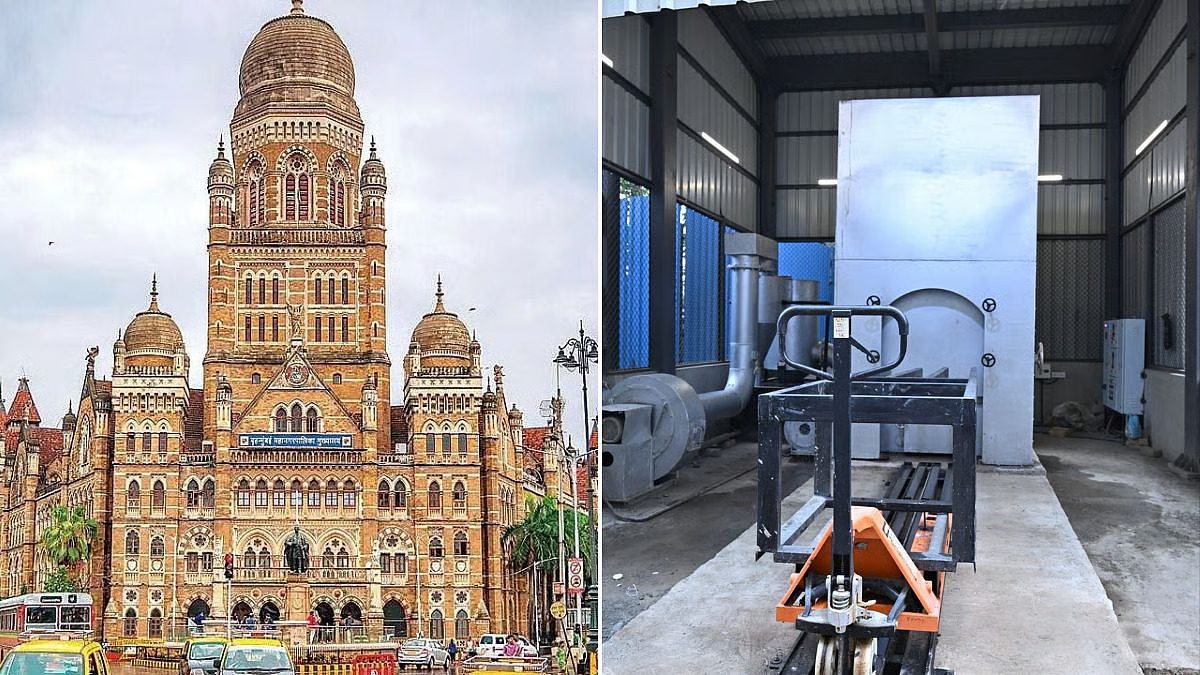
Mumbai has expanded its civic infrastructure for managing the end-of-life care of companion animals with the commissioning of dedicated small animal cremation units at Deonar and Mahalaxmi. The facilities, now operational, extend coverage across the city’s eastern and western corridors and respond to judicial direction alongside long-standing infrastructure gaps in dignified and environmentally responsible animal disposal systems. The initiative marks a notable shift in how large urban centres integrate animal welfare into municipal service planning while reducing reliance on informal or unsanitary practices.
The development comes in the backdrop of court-mandated emphasis on providing structured systems for handling animal remains in dense metropolitan regions. Urban governance experts note that such interventions are increasingly being framed within broader public health and environmental compliance frameworks. The expansion of animal cremation facilities Mumbai is being viewed as part of a wider effort to formalise veterinary civic services and align them with sustainability targets in rapidly growing cities. At the technical level, the newly operational Deonar unit has been designed to process larger loads, including carcasses and remains of up to 500 kilograms, supported by piped natural gas-based incineration to reduce emissions compared to conventional fuels. The Mahalaxmi facility, integrated within a jointly operated animal hospital, relies on electricity-based incineration and is intended for smaller volumes up to 50 kilograms. Officials also indicated that an earlier facility in Malad has been functional since 2023, collectively ensuring distributed access across Mumbai’s geography.
Urban service planners suggest that decentralised infrastructure of this kind reduces logistical pressure on bereaved pet owners and veterinary services, while also improving compliance with environmental disposal norms. The presence of multiple facilities is expected to reduce transportation distances, thereby indirectly cutting associated emissions and improving turnaround times in sensitive cases involving companion animals. A digital booking system has been introduced alongside the infrastructure rollout, allowing citizens to schedule time slots through the veterinary department’s online platform. This digitisation is intended to streamline service access, minimise delays, and reduce administrative bottlenecks in high-demand urban settings. Officials also note that helpline support remains available to assist residents navigating the process.
From a broader urban sustainability perspective, the expansion of animal cremation facilities Mumbai reflects a gradual integration of humane animal management into the city’s environmental governance framework. Policy analysts point out that as cities densify, infrastructure planning must increasingly account for non-human urban populations and their lifecycle management in ways that are both compassionate and climate-conscious. Going forward, civic observers indicate that the effectiveness of such systems will depend on operational efficiency, public awareness, and continued investment in low-emission technologies. The expansion signals a growing recognition that even peripheral civic services, when redesigned thoughtfully, can contribute to cleaner, more equitable, and better-managed urban ecosystems.
BMC Upgrades Pet Cremation Infrastructure Across City