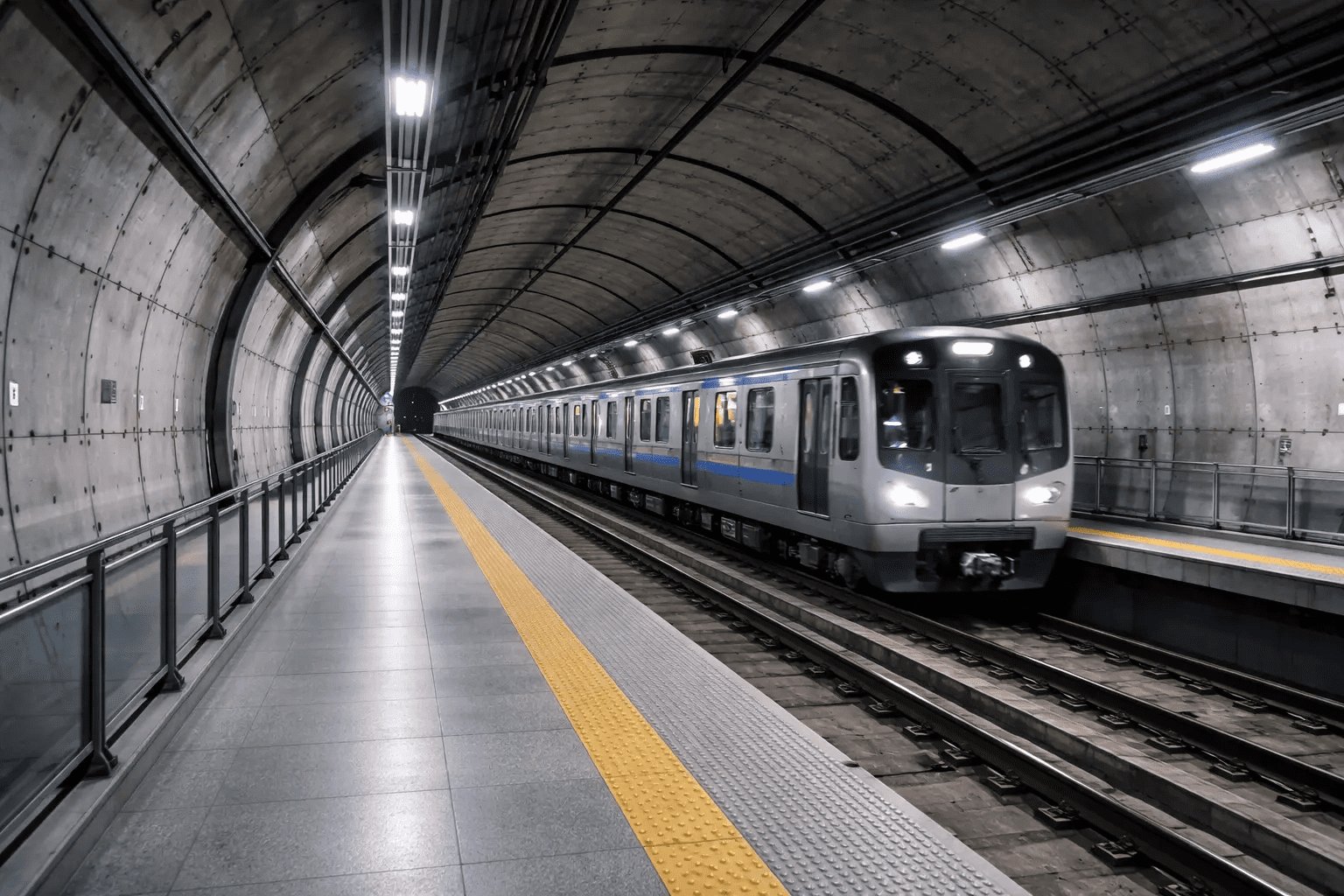
Jaipur Metro Expansion Anchors Rajasthan Development
Rajasthan is advancing a combined infrastructure and industrial agenda, with a major urban transit upgrade in Jaipur and a large refinery project in Barmer district set to influence how the state grows over the coming decade. The Jaipur metro expansion is emerging as a central piece of this strategy, aimed at improving urban mobility while supporting broader economic transformation. The proposed Phase II corridor of the Jaipur metro expansion will stretch across key parts of the city, linking residential neighbourhoods, industrial clusters and institutional zones through a north–south alignment. Designed to significantly extend the reach of the existing network, the project is expected to reduce travel times and offer a viable alternative to road-based commuting in a city facing rising congestion and vehicle dependency.
Urban planners highlight that the Jaipur metro expansion could reshape land-use patterns by encouraging development around transit nodes. With multiple stations planned across high-density areas, the corridor is likely to support transit-oriented development, where housing, workplaces and services are clustered around public transport. This approach can reduce travel demand, lower emissions and improve accessibility for a wider segment of the population. The inclusion of underground sections in sensitive zones reflects an attempt to balance expansion with spatial constraints. Experts note that such design considerations are critical in cities where infrastructure must coexist with existing urban fabric, including transport hubs and aviation-linked areas. If executed effectively, the metro project could serve as a model for sustainable mobility integration in mid-sized Indian cities. Alongside this urban transport push, the refinery project in Pachpadra is expected to drive industrial growth in western Rajasthan. The facility is likely to create employment opportunities and stimulate allied sectors such as logistics, petrochemicals and small-scale manufacturing.
Analysts suggest that this could help diversify the state’s economic base, particularly in regions that have historically seen limited industrial investment. However, the environmental implications of large industrial developments remain a key concern. Specialists point out that projects of this scale require stringent controls on emissions, water use and waste management to ensure alignment with climate resilience goals. Integrating cleaner technologies and resource-efficient systems will be essential to minimise ecological impact while maintaining economic viability. From a regional planning perspective, the simultaneous rollout of the Jaipur metro expansion and the refinery indicates a shift towards coordinated development. Improved urban mobility can enhance workforce access, while industrial investments can generate demand for housing and services, creating interconnected growth cycles.
As Rajasthan moves forward with these initiatives, the focus will be on execution and integration. Ensuring that the Jaipur metro expansion delivers reliable, accessible transport while industrial projects adhere to sustainability standards will be critical in shaping a balanced and resilient growth trajectory for the state.