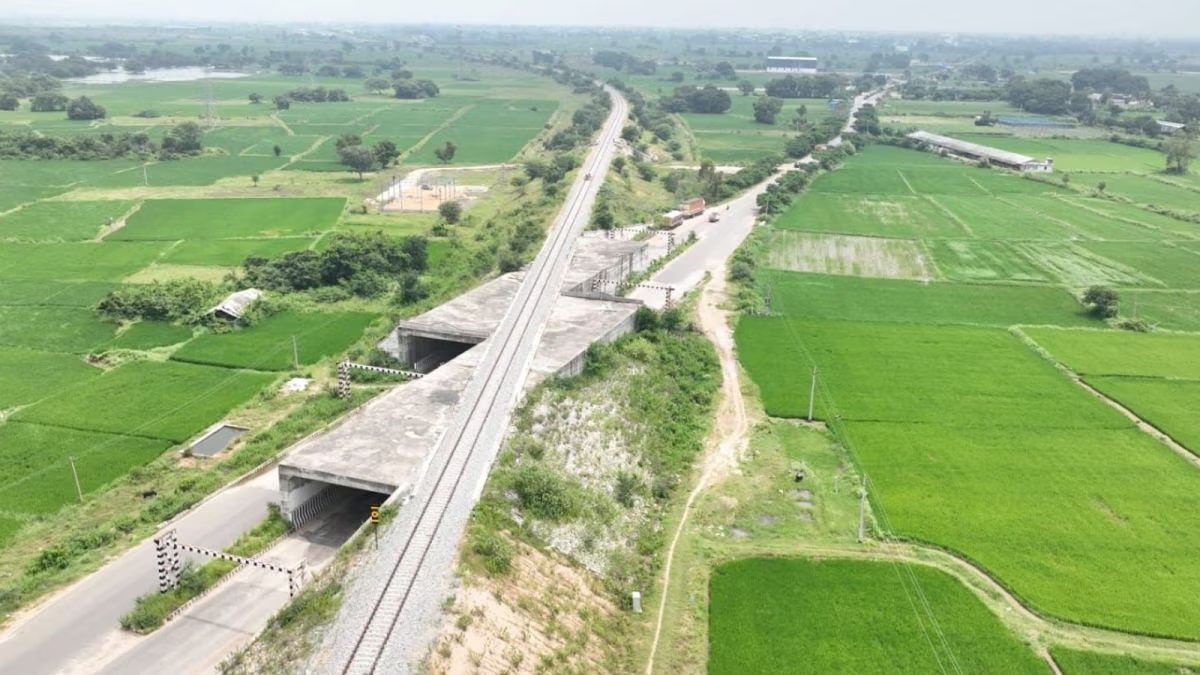
Delhi is exploring grade-separated road solutions at multiple rail intersections to tackle chronic congestion, with feasibility studies underway for underpasses at railway crossings across key corridors. The initiative aims to ease commuter delays, improve emergency response times, and enhance overall traffic efficiency in densely populated parts of the capital. Level crossings, where road traffic halts for passing trains, remain a persistent bottleneck in several parts of the city. These disruptions not only extend travel times but also fragment neighbourhood connectivity, particularly in areas where alternative routes are limited. Authorities are now prioritising sites with high vehicle volumes and constrained road networks, especially in western districts where railway lines divide residential and commercial zones.
The proposed underpasses at railway crossings are being evaluated as a practical alternative to flyovers or rail overbridges, particularly in locations with limited land availability or complex urban layouts. Officials involved in the planning process indicate that each site will undergo detailed technical assessments, including surveys of existing utilities, drainage systems, and nearby infrastructure. Traffic flow data and railway gate operations will also be analysed to determine project feasibility. Urban mobility experts suggest that such grade separation can significantly reduce stoppages, leading to smoother traffic movement and lower fuel consumption. However, past experience has highlighted design challenges associated with underpasses, including waterlogging during monsoon periods, inadequate ventilation, and safety concerns for pedestrians and cyclists. Addressing these issues through better engineering and maintenance planning will be essential for long-term success. The initiative forms part of a broader strategy to decongest Delhi’s road network, where rising vehicle numbers continue to strain existing infrastructure. Planners argue that while underpasses at railway crossings can provide targeted relief, their impact will be maximised only when combined with wider mobility interventions.
These include strengthening public transport systems, improving last-mile connectivity, and implementing demand management measures to reduce private vehicle dependence. From an economic perspective, uninterrupted traffic flow can improve productivity by reducing transit delays for goods and services. For businesses reliant on just-in-time logistics, such improvements can translate into cost savings and operational efficiency. Residents, meanwhile, stand to benefit from shorter commute times and reduced exposure to vehicular emissions, contributing to improved urban liveability. Environmental considerations are also central to the planning process. Construction activities will need to account for tree cover, groundwater conditions, and local ecosystems, ensuring that infrastructure development does not compromise sustainability goals. Integrating pedestrian-friendly design and accessibility features will further support inclusive mobility. As feasibility studies progress, authorities are expected to prioritise locations based on urgency and impact, followed by phased implementation. The effectiveness of the programme will depend on coordination between multiple agencies, timely execution, and ongoing upkeep of infrastructure.
With congestion continuing to challenge Delhi’s transport network, the move towards grade-separated solutions signals a shift towards more structured urban mobility planning. The success of these interventions will ultimately depend on how well engineering solutions align with environmental resilience and the everyday needs of commuters.