


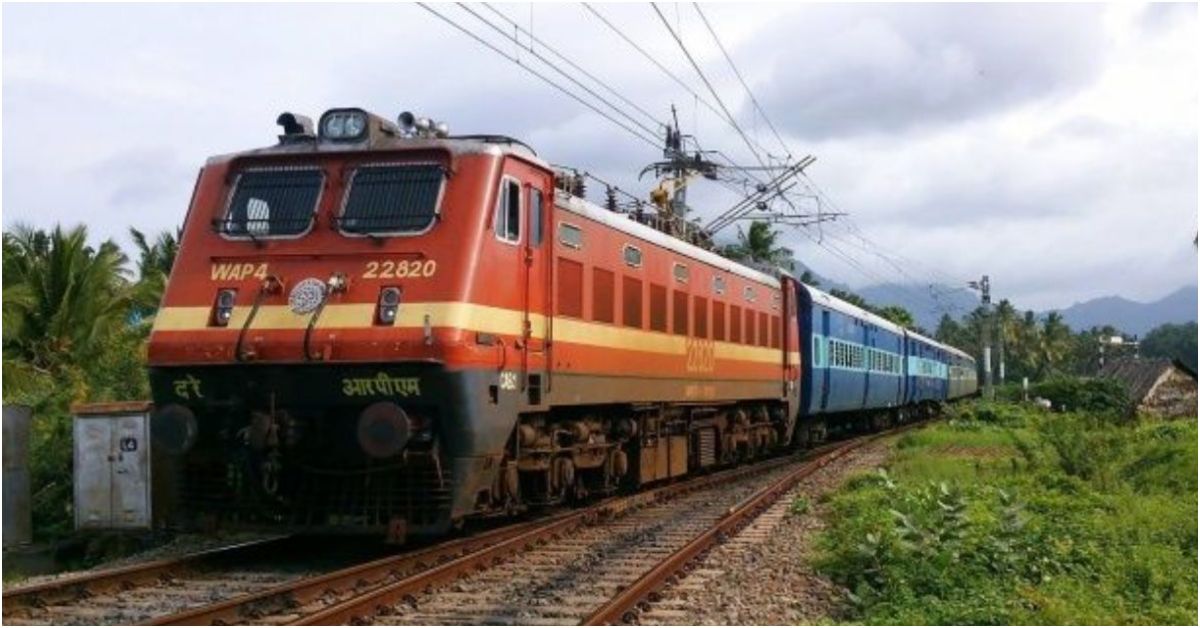
A key rail infrastructure project aimed at strengthening connectivity between Indore and the Nimar region is expected to take several more years to become operational, with railway officials indicating that passenger train services on the route are unlikely to begin before 2029. The delay reflects the technical and environmental complexities involved in constructing a new railway alignment through challenging terrain in central India. The Indore Khandwa rail line is considered an important transport link designed to improve access between Indore, Madhya Pradesh’s commercial capital, and Khandwa, a major junction connecting central India with western and southern rail corridors. Once operational, the route is expected to shorten travel time and create a more efficient rail corridor linking Indore with several cities across the national railway network.
Construction work on the corridor involves major engineering components, including multiple bridges and tunnels along the proposed alignment. Railway engineers say these structures are necessary because the route passes through uneven terrain and forested areas where conventional track construction is not feasible. Such technical requirements have extended the timeline of the project. The Indore Khandwa rail line has long been viewed as a strategic addition to the state’s transport infrastructure. Currently, rail travel between Indore and southern routes often requires indirect connections, which increases journey time for passengers and freight movement. The new line aims to create a shorter and more direct connection that could improve logistics efficiency and passenger mobility. Urban mobility analysts say improved rail corridors can significantly influence regional development patterns. Cities such as Indore depend on reliable rail connectivity to support trade, tourism and labour mobility. By linking Indore more directly with major rail junctions, the project could help integrate the city more effectively into national transport and economic networks. At the same time, planners emphasise that projects passing through environmentally sensitive areas require careful planning and regulatory approvals. Construction in forested zones involves additional environmental safeguards, wildlife protection measures and specialised engineering techniques designed to minimise ecological disruption. These requirements can extend project timelines but are considered essential for responsible infrastructure expansion. The Indore Khandwa rail line is also expected to benefit towns and settlements located along the corridor by improving regional accessibility. Enhanced rail connectivity can support local economies by facilitating movement of agricultural produce, small-scale industrial goods and tourism-related travel. Despite the extended timeline, infrastructure experts say the project remains significant for central India’s long-term transport planning. Large rail corridors often take years to complete due to land acquisition, environmental clearances and engineering challenges, but their long-term economic impact can be substantial.
For Indore and the surrounding region, the delayed timeline underscores the complexity of building modern transport infrastructure while balancing environmental protection and engineering feasibility. As work progresses, the corridor continues to represent an important step toward strengthening sustainable and inclusive regional connectivity.
ALSO READ – Indore Rail Link Strengthens With Charlapalli Extension
Indore Khandwa Rail Project Faces Delayed Completion
