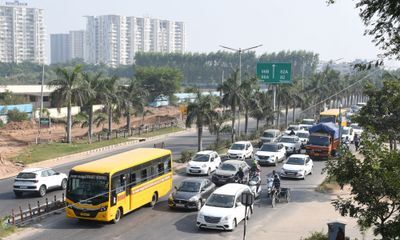
A wave of expressway-led infrastructure development is steadily transforming Mohali into one of North India’s most closely watched real estate markets, with connectivity emerging as the primary driver of both residential and commercial expansion. As new corridors link the city more efficiently to regional hubs, the impact is being felt across land values, investment flows, and urban growth patterns.
Recent road and expressway projects—including greenfield corridors and bypasses—have significantly reduced travel time between Mohali, Chandigarh, and surrounding districts, improving regional accessibility. In some stretches, commute times have dropped to under 30 minutes, reshaping how people live and work across the tri-city region. This improved connectivity is translating into tangible economic effects. Higher absorption of residential and commercial inventory, increased job activity, and rising demand for office and retail spaces are being observed along key infrastructure corridors. Developers and planners attribute this shift to enhanced ease of movement, particularly for professionals working in IT parks and industrial clusters located in and around Mohali. The Mohali expressway real estate growth story is closely tied to how infrastructure is unlocking previously underdeveloped land parcels. Areas once considered peripheral are now being integrated into the city’s functional urban footprint, making them viable for housing, logistics, and mixed-use development. Improved access to the international airport and national highways has further strengthened the city’s appeal for both end-users and investors.
Urban planners, however, caution that such rapid expansion must be carefully managed. Large-scale infrastructure tends to accelerate peri-urban growth, often outpacing regulatory frameworks. Without structured zoning and environmental safeguards, this can lead to fragmented development, pressure on natural resources, and increased reliance on private transport. There is also a growing intersection between infrastructure-led growth and affordability. While new corridors are unlocking land supply, they are simultaneously driving up property values in high-demand zones. Experts note that this dual effect can widen the gap between premium and affordable housing unless balanced by inclusive planning and public housing interventions. The Mohali expressway real estate growth trajectory also highlights the importance of integrated urban systems. Connectivity alone is not sufficient—cities must align transport upgrades with utilities, waste management, and social infrastructure. Recent civic challenges in Mohali, including waste management stress, point to the risks of infrastructure expansion without parallel investments in basic services.
From a regional perspective, Mohali’s rise reflects a broader shift in India’s urban hierarchy. Secondary cities are increasingly benefiting from national highway programmes and expressway networks, redistributing economic activity beyond traditional metropolitan centres. For Punjab, this could mean a more balanced urban system anchored around multiple growth nodes rather than a single dominant city. Looking ahead, the sustainability of this growth will depend on governance choices. Planned sector development, transit-oriented design, and climate-sensitive infrastructure will determine whether Mohali evolves into a resilient urban hub or faces the challenges of unregulated expansion. As expressways continue to redefine accessibility, Mohali stands at a critical juncture—where infrastructure-led opportunity must be matched by equally robust urban planning to ensure long-term, inclusive growth.