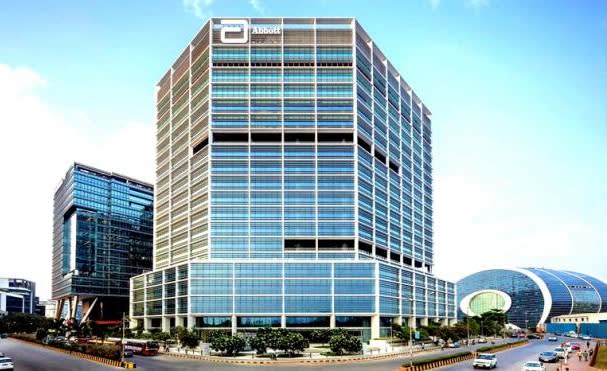
Mumbai’s eastern corridor is poised for a structural shift as a new high court complex takes shape in Bandra East, signalling a reconfiguration of the city’s real estate geography. The planned judicial hub, expected to ease pressure on the ageing court infrastructure in South Mumbai, is also emerging as a catalyst for redistribution of housing demand, commercial activity and daily commute patterns across adjoining neighbourhoods.
Urban planners note that large institutional anchors have historically reshaped Mumbai’s neighbourhoods by attracting professional ecosystems. The emergence of the Bandra East legal district reflects a similar trajectory, where legal services, financial institutions and ancillary businesses are expected to cluster in proximity to the new court complex. This concentration is likely to intensify land use and alter residential preferences, particularly among professionals seeking shorter commutes. The shift aligns with Mumbai’s broader transition from a single-core urban model to a multi-nodal city structure. As central business districts expand beyond traditional southern zones, areas around Bandra Kurla Complex (BKC) and its peripheries are increasingly absorbing economic activity. However, rising land values and density constraints in these zones are pushing demand outward, reinforcing the role of the Bandra East legal district as a secondary growth anchor.
Neighbourhoods such as Sion, Wadala and Chembur are already witnessing heightened interest due to their connectivity advantages and comparatively lower entry costs. Transport infrastructure, including arterial roads and metro corridors, is strengthening these linkages, enabling a wider residential catchment for the emerging legal hub. For many households, this translates into a trade-off between proximity and affordability, with peripheral areas offering more liveable conditions without severing access to employment centres. Experts caution, however, that such growth corridors must be managed with careful planning. Increased construction activity and densification can strain existing civic infrastructure if not accompanied by upgrades in public transport, water supply, waste management and green spaces. The Bandra East legal district, therefore, presents both an opportunity and a test case for sustainable urban expansion.
The project also raises questions around inclusivity. While premium housing demand is expected to rise near the immediate influence zone, equitable access to housing and public amenities across income groups will depend on policy interventions and zoning regulations. Without these, the risk of socio-spatial segregation could deepen. For Mumbai, the emergence of the Bandra East legal district is more than a relocation of judicial infrastructure. It reflects a deeper urban transition driven by decentralisation, infrastructure investment and evolving work patterns. How effectively the city balances growth with sustainability and inclusivity will determine whether this shift strengthens resilience or adds pressure to an already complex urban system.