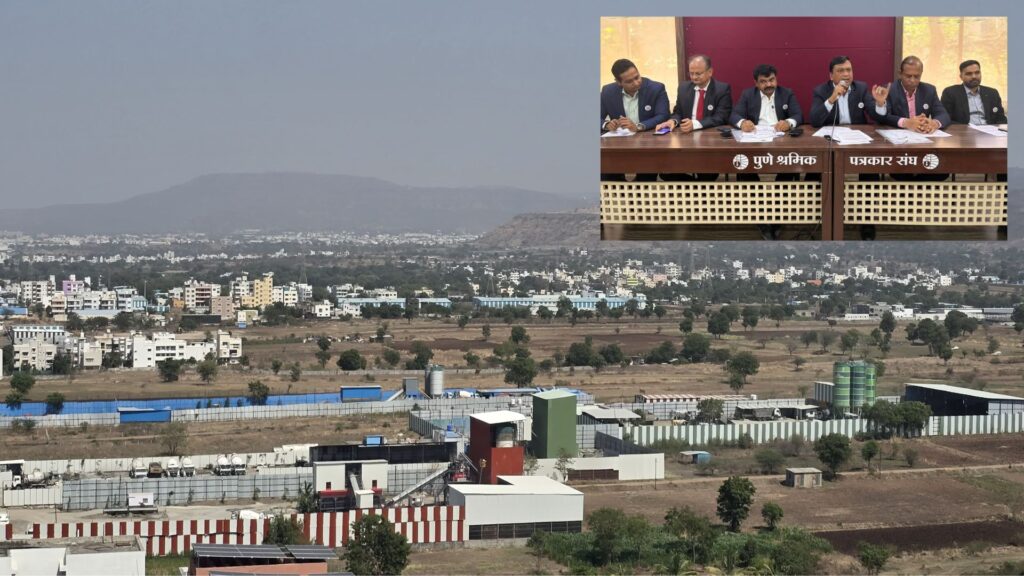
Pune’s construction ecosystem is set to face a temporary disruption as ready-mix concrete (RMC) plants across the district suspend operations for a short, planned period beginning mid-April. The coordinated pause, initiated by industry stakeholders, is being positioned as a corrective step to streamline compliance, improve safety standards, and align operations with evolving regulatory expectations.
During the shutdown, production and dispatch of concrete will remain suspended, potentially affecting ongoing real estate, infrastructure, and urban development projects. Given Pune’s rapid growth trajectory, where construction activity underpins both housing supply and public infrastructure delivery, even a brief halt in RMC availability could have cascading impacts on project timelines and labour utilisation. The RMC plants shutdown comes at a time when air quality concerns are shaping policy discussions across Indian cities. Industry stakeholders have pointed to data indicating that road dust remains the dominant contributor to particulate pollution, far exceeding emissions from construction-related activities. However, environmental experts argue that while individual contributions may vary, cumulative urban dust sources—including construction—require tighter monitoring and mitigation.
With nearly 300 operational plants in the region, the sector plays a central role in Pune’s built environment. It supplies substantial volumes of concrete each month, supporting a wide spectrum of projects from metro rail corridors and highways to residential and industrial developments. The economic footprint is equally significant, with thousands of workers directly and indirectly dependent on the sector for livelihoods. Industry representatives have highlighted persistent operational challenges, including fragmented approval systems, varying compliance requirements across jurisdictions, and logistical constraints such as traffic restrictions affecting material transport. These factors, they argue, have created inefficiencies and increased costs, prompting calls for a more unified regulatory framework.
The temporary RMC plants shutdown is also being used as an opportunity to conduct internal audits, upgrade dust-control systems, and standardise safety practices. Measures such as equipment checks, workforce training, and improved documentation processes are expected to be undertaken during this period. There is also an effort to introduce structured certification mechanisms to ensure greater transparency and accountability in plant operations. Urban planners note that such industry-led interventions can contribute positively if they lead to measurable improvements in environmental performance and safety. However, they caution that systemic challenges—such as urban dust management, land-use planning, and enforcement consistency—require coordinated action between industry and government agencies.
From a sustainability perspective, the episode reflects the growing pressure on construction-linked sectors to balance growth with environmental responsibility. As cities like Pune expand, the demand for materials such as concrete will continue to rise, making it essential to adopt cleaner production practices and reduce lifecycle emissions. The immediate impact of the RMC plants shutdown will be closely watched by developers and contractors. In the longer term, the effectiveness of this pause will depend on whether it results in tangible improvements in compliance, environmental safeguards, and operational efficiency—key factors in building a more resilient and sustainable urban development framework.
Pune RMC Industry Announces Temporary Shutdown From April 15