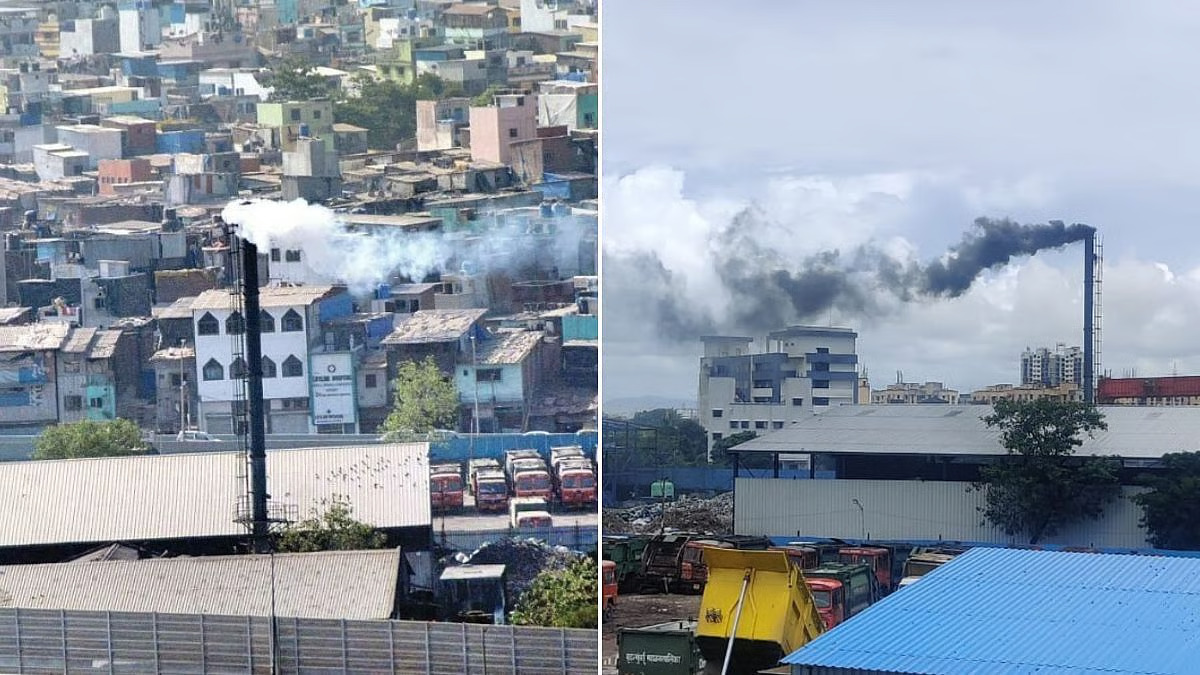
Mumbai’s long-standing concerns over waste management practices at the Deonar landfill site have resurfaced after a judicial intervention called for a fresh evaluation of penalties linked to environmental violations. The directive, issued by a green tribunal bench, signals closer scrutiny of how regulatory authorities assess and enforce environmental compensation in cases involving public health and ecological risks.
The order centres on a biomedical waste treatment facility operating within the Deonar ecosystem, where questions have been raised about compliance with pollution control norms over several years. Residents from nearby neighbourhoods had approached the tribunal, arguing that earlier compensation imposed on the operator did not adequately reflect the extent or duration of violations. In reviewing the matter, the tribunal observed inconsistencies in the assessment submitted by the state pollution regulator. Several compliance parameters—such as adherence to wastewater discharge standards, operational performance of treatment equipment, and timelines for waste processing—were reportedly marked as compliant or negligible, despite inspection records indicating intermittent lapses over an extended period.
This has prompted the tribunal to mandate a recalculation of environmental compensation, taking into account the full timeline of alleged non-compliance. A joint panel comprising national and state pollution control authorities has been tasked with undertaking this reassessment within a defined timeframe, with the state regulator designated as the coordinating agency. Environmental compensation is a critical enforcement tool intended to internalise the cost of ecological damage and deter non-compliance. However, experts note that its effectiveness depends heavily on the rigour and transparency of assessment methodologies. Underestimating penalties can dilute accountability, particularly in high-risk sectors such as biomedical waste management, where lapses can have serious implications for public health and environmental safety.
The Deonar site, already under pressure due to legacy waste and landfill-related emissions, represents one of Mumbai’s most complex environmental challenges. The presence of waste treatment facilities in such zones further heightens the need for stringent monitoring and robust compliance mechanisms. Urban planners argue that regulatory oversight must evolve alongside the city’s growing waste volumes and changing waste composition. For residents living in proximity to such facilities, the issue extends beyond regulatory compliance to everyday concerns about air quality, water contamination, and long-term health risks. The renewed scrutiny of compensation calculations is therefore seen as an opportunity to strengthen institutional accountability and rebuild public trust.
The tribunal has also provided an opportunity for all parties involved to present their submissions during the reassessment process, ensuring procedural fairness. The outcome of this exercise could set a precedent for how environmental violations are quantified and penalised in other urban contexts. As Mumbai continues to grapple with waste management and environmental sustainability, the case highlights the importance of aligning regulatory frameworks with the principles of climate resilience, public health protection, and equitable urban development. The final determination, expected in the coming months, will be closely watched for its implications on governance standards and environmental justice in the city.
Mumbai NGT Orders Fresh Review Of Waste Penalty