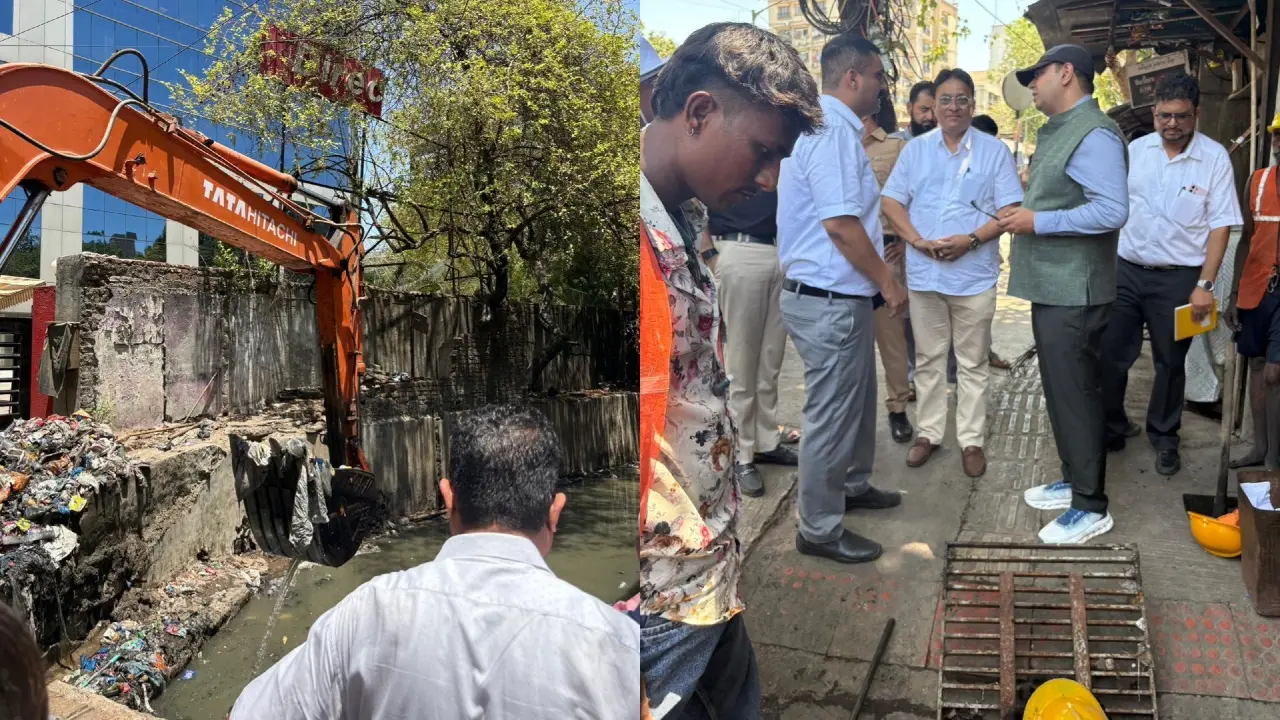
Mumbai’s civic administration has stepped up its pre-monsoon preparedness by accelerating drain cleaning operations across key western suburban zones, signalling a renewed focus on flood mitigation in one of India’s most climate-vulnerable cities. The intensified efforts come as authorities race against time to reduce waterlogging risks before the onset of heavy rains, which routinely disrupt mobility, livelihoods, and economic activity.
Senior civic officials recently conducted on-ground inspections across multiple wards in the western suburbs, assessing the progress of both major and minor drainage channels. The review covered critical stormwater corridors as well as smaller local drains that often become choke points during intense rainfall events. According to officials, the inspections are part of a broader strategy to ensure that the drain cleaning drive remains on schedule and meets operational standards. The administration has set a firm deadline to complete the drain cleaning drive before the end of May, underscoring the urgency of the exercise. Authorities have directed field teams to prioritise the removal of accumulated silt, plastic waste, and floating debris—key contributors to blockages that exacerbate urban flooding. Experts point out that even minor obstructions in drainage systems can significantly reduce water-carrying capacity, leading to rapid inundation in low-lying areas.
Mumbai’s dependence on an ageing stormwater infrastructure network has long been a structural challenge. Rapid urbanisation, shrinking natural drainage paths, and increasing impermeable surfaces have intensified runoff during monsoons. As a result, the effectiveness of the annual drain cleaning drive has become a critical determinant of how the city copes with seasonal flooding. Urban planners emphasise that while desilting is essential, it is only one component of a larger flood resilience strategy. Sustainable solutions require restoring natural water channels, protecting wetlands, and integrating blue-green infrastructure into urban planning. Without these measures, repeated drain cleaning cycles may offer only short-term relief rather than addressing the root causes of flooding.
The civic body has also highlighted the importance of coordination with local stakeholders to ensure transparency and responsiveness. Regular updates and engagement with community representatives are expected to help identify localised issues and improve accountability in execution. However, past experiences suggest that monitoring and quality control remain critical gaps, particularly in ensuring that removed silt is not reintroduced into the drainage system. From an economic standpoint, effective drain cleaning directly impacts business continuity and urban productivity. Flooded roads and disrupted transport networks can result in significant financial losses, especially in commercial hubs located within vulnerable zones.
As the monsoon approaches, the success of the current drain cleaning drive will be closely watched by residents and policymakers alike. The city’s ability to manage rainfall events without widespread disruption will depend not just on timely execution, but on a more integrated approach to urban water management that prioritises resilience, sustainability, and equitable service delivery.
Mumbai Strengthens Drain Cleaning Efforts Ahead Monsoon