Gurugram Bus Stand Waste Dump Raises Civic Concerns
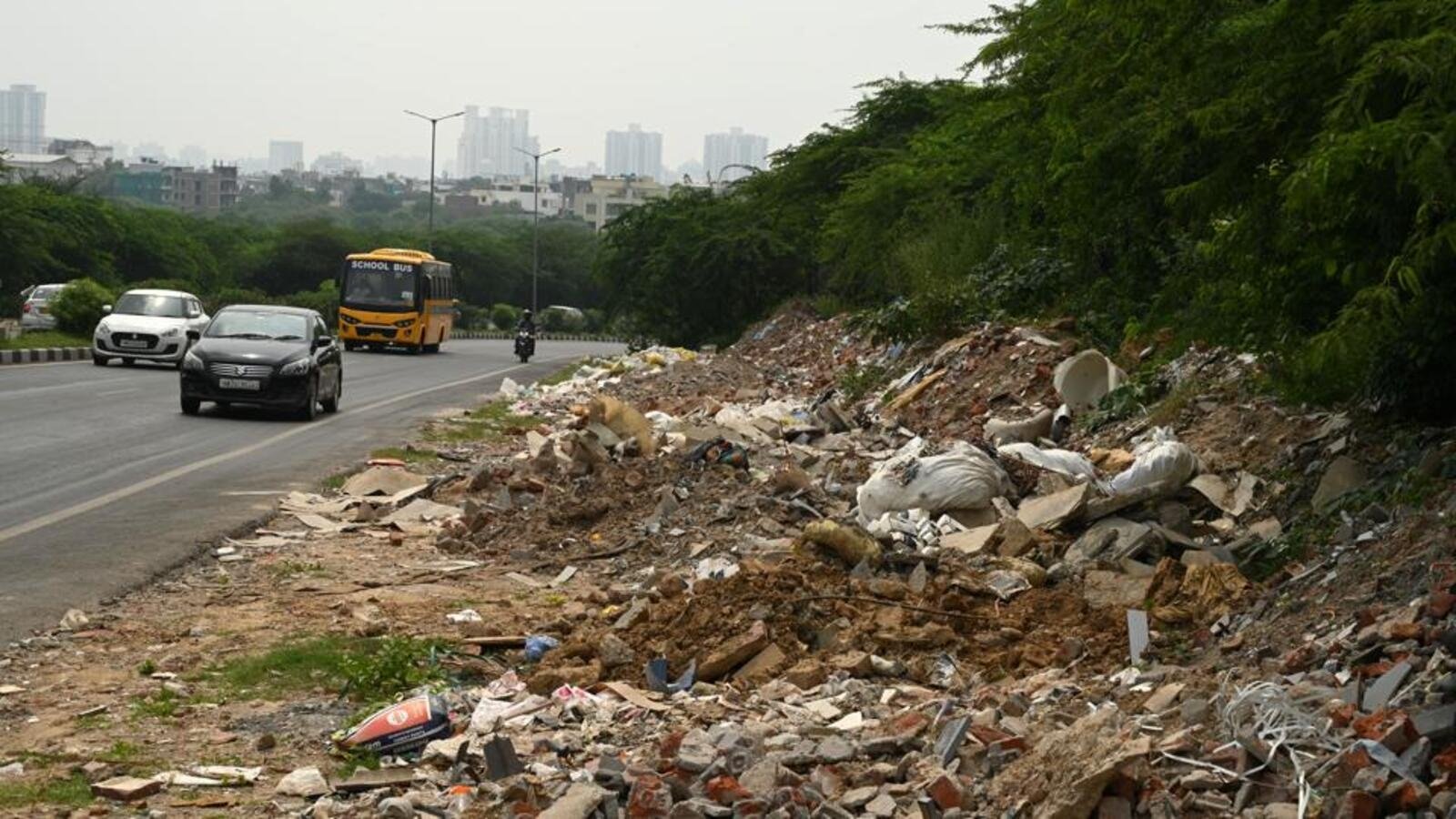
A growing waste management lapse at Gurugram’s Sector 12 bus stand is drawing attention to deeper gaps in urban sanitation systems, as commuters and local businesses report persistent open dumping within a key public transport hub. The situation highlights how infrastructure pressure and fragmented civic responsibilities can undermine basic urban services in rapidly expanding cities. Field observations and local accounts indicate that waste has been accumulating for months in parts of the bus stand premises, particularly near public utilities, with no consistent system for disposal or segregation. The site, used daily by thousands of passengers, has gradually transformed into an informal dumping zone, raising both environmental and public health concerns.
The issue intensified recently after a portion of the accumulated waste was found burnt, suggesting that unregulated disposal practices may be escalating into hazardous conditions. Open dumping and burning are prohibited under national environmental norms, given their contribution to air pollution and risks to human health. In dense urban settings, such practices can also degrade surrounding land and create unsafe commuting environments. Local workers and shop operators say waste from nearby areas is being brought into the bus stand without oversight, compounding the problem. Irregular collection schedules have allowed garbage to pile up, particularly plastic and mixed waste that remains untreated. For small businesses operating within the premises, the conditions are affecting footfall and day-to-day operations, as the environment becomes increasingly unsanitary. Urban governance experts point out that such situations often emerge from unclear institutional responsibilities.
In this case, the bus stand falls within overlapping administrative jurisdictions, where internal sanitation is handled by one agency while external waste collection depends on another. This fragmentation can result in operational gaps, especially when coordination mechanisms are weak or reactive rather than planned. From a broader city planning perspective, the episode underscores the importance of integrated waste management systems that prioritise segregation at source, daily collection cycles and accountability across agencies. Transport hubs, in particular, require higher standards of maintenance due to their high footfall and role as gateways to the city. Officials have indicated that monitoring of open dumping sites across Gurugram may be strengthened, alongside efforts to improve sanitation practices. However, urban planners caution that enforcement alone will not be sufficient without parallel investments in infrastructure, such as designated waste collection points, decentralised processing systems and better community engagement.
The challenge also intersects with climate resilience. Poorly managed waste contributes to greenhouse gas emissions and can block drainage systems, increasing the risk of urban flooding during monsoons. As cities aim to transition towards more sustainable and liveable environments, maintaining hygiene in public spaces is becoming as critical as building new infrastructure. Going forward, ensuring clear accountability between civic bodies, strengthening waste logistics and promoting behavioural change among users will be key to restoring functional and safe public transport spaces in Gurugram.