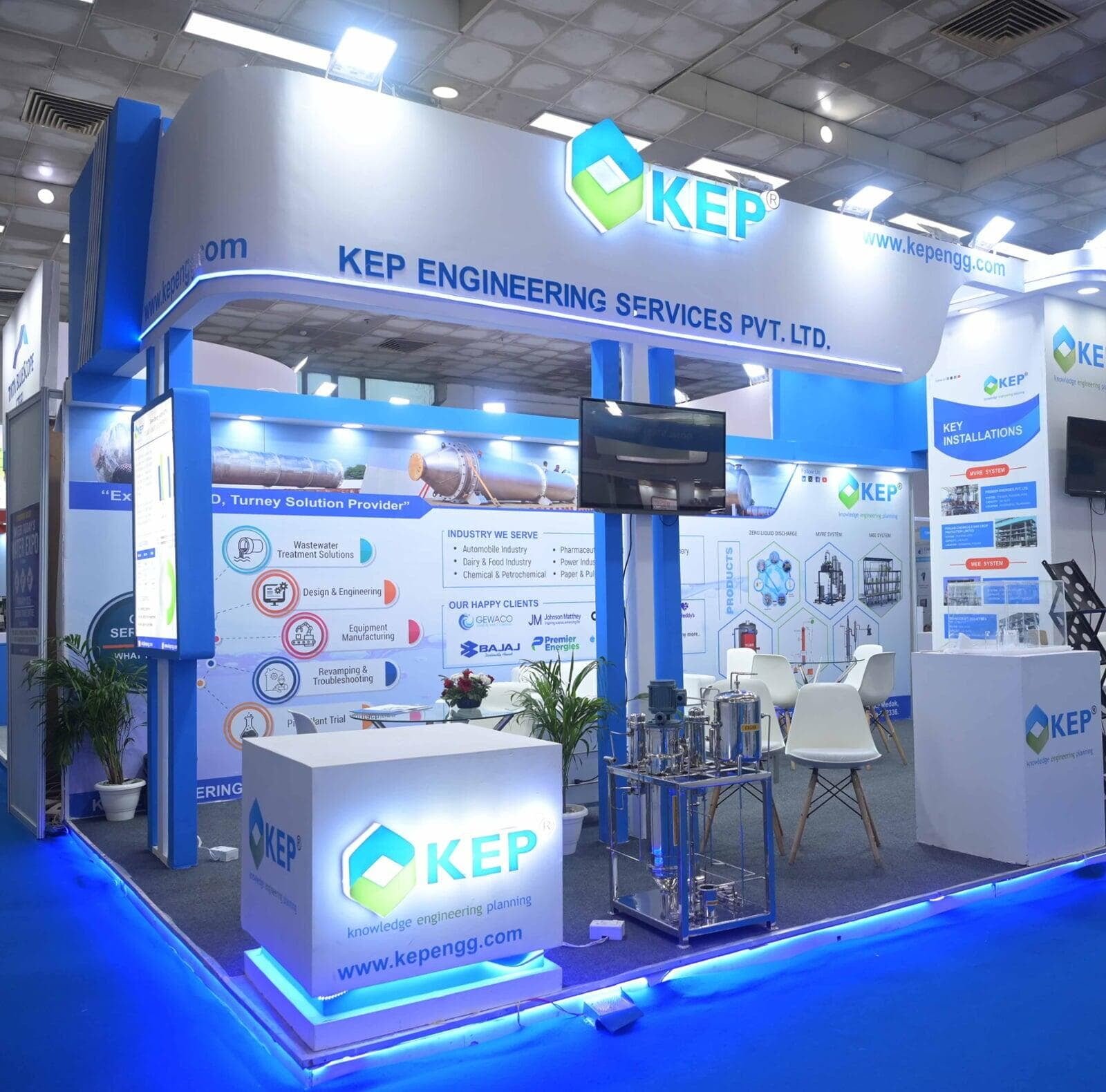
Delhi Plans Water Expo To Rebuild Urban Water Systems
The government in Delhi is preparing to convene a large-scale industry and technology platform focused on the city’s evolving water challenges, signalling a renewed push to modernise distribution networks, strengthen sewage treatment, and accelerate river restoration efforts. The proposed Delhi Water Expo is expected to bring together technology firms, infrastructure developers, and water management experts to explore solutions for a rapidly growing metropolis facing rising demand and environmental pressure. Urban water systems in the national capital are entering a critical phase. Rapid population growth, ageing pipelines, and rising contamination risks in the Yamuna River have placed pressure on agencies responsible for water supply and wastewater treatment.
Officials involved in the planning process say the exhibition is being designed as a knowledge exchange platform where domestic and international companies can demonstrate emerging technologies relevant to water purification, network monitoring, leak detection, and decentralised treatment. The initiative comes as the city prepares for large investments in the sector over the coming years. Urban infrastructure planners estimate that water-related projects in the capital could cumulatively reach tens of thousands of crores in value as authorities attempt to upgrade distribution pipelines, expand treatment capacity and reduce system losses. At the centre of these efforts is the Delhi Jal Board, the public utility responsible for drinking water supply, sewerage management and river rejuvenation initiatives. Sector experts note that urban utilities across India increasingly face similar challenges: expanding networks to peripheral settlements while simultaneously upgrading decades-old infrastructure in established neighbourhoods.
A key theme expected to shape the Delhi Water Expo is the role of decentralised wastewater treatment. City planners are increasingly exploring smaller treatment plants located close to residential clusters, which can reduce pressure on centralised sewer networks while improving water recycling. Officials have already approved several decentralised sewage treatment projects and additional large-scale treatment plants to increase the city’s wastewater processing capacity. Urban water economists argue that the exhibition could also open discussions around new governance models for distribution networks. These include technology-driven monitoring, private-sector participation in maintenance operations, and improved billing systems to curb revenue losses caused by leakage and unaccounted water. The city is simultaneously working on a long-term water planning framework that will map existing supply infrastructure and forecast future demand linked to population growth, climate variability and urban expansion. Such planning exercises are becoming increasingly important as cities seek to secure water resilience while limiting environmental impact.
For a capital city navigating climate risks and urbanisation pressures, the proposed Delhi Water Expo may serve as a testing ground for ideas that could reshape how water is sourced, distributed and recycled in one of the world’s fastest-growing urban regions.