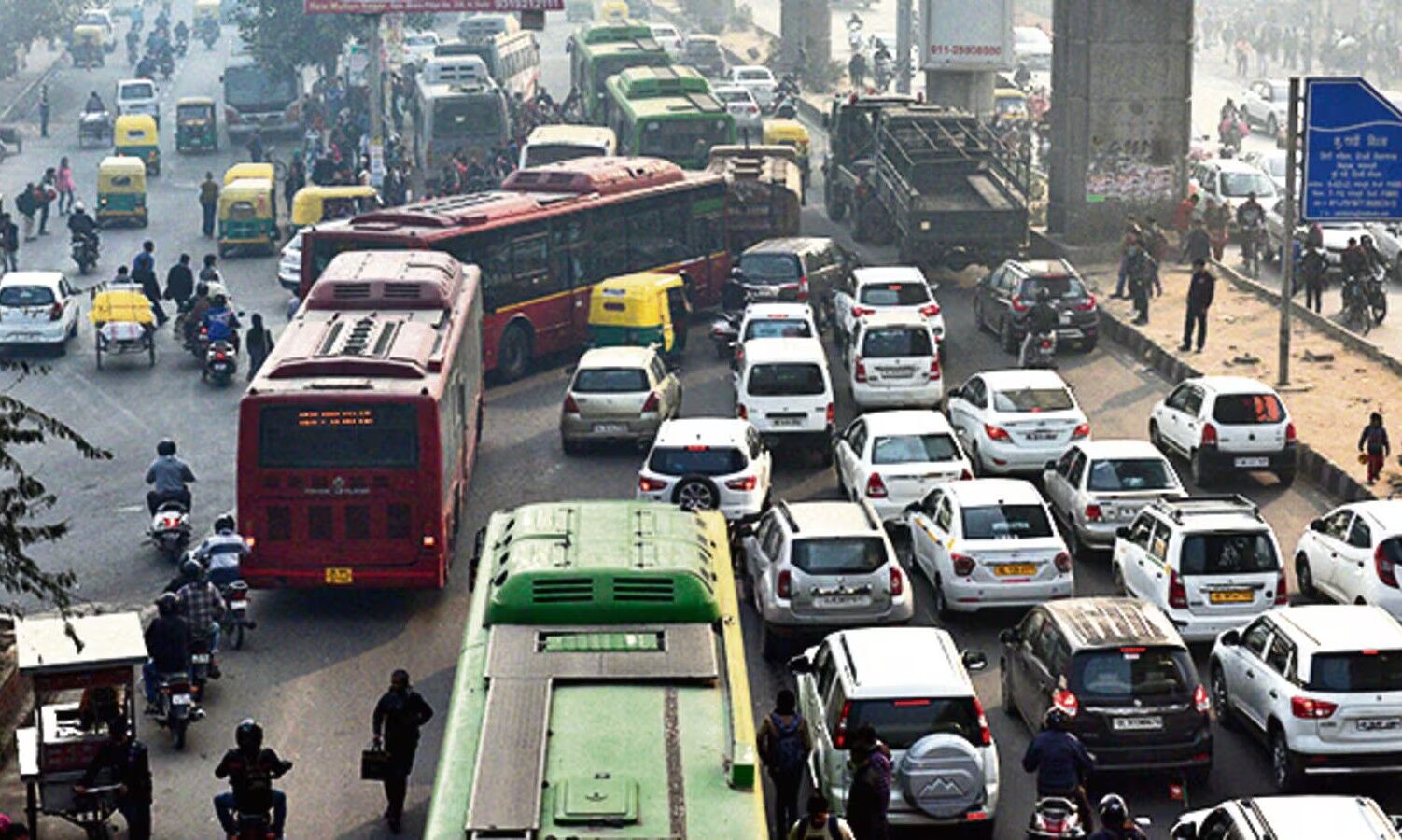
Lucknow Parking Upgrade Targets Traffic And Congestion
Lucknow is preparing to roll out a citywide smart parking system across 73 locations, marking a significant step towards modernising urban mobility and addressing persistent congestion challenges. The initiative is designed to introduce technology-driven parking management, improve traffic flow and optimise the use of limited urban space.
The proposed system will integrate digital tools such as real-time parking availability tracking, automated ticketing and app-based payment solutions. By reducing the time spent searching for parking, authorities aim to cut down on vehicular congestion, particularly in high-density commercial and institutional areas. Officials indicate that the rollout will prioritise key zones with high parking demand, including marketplaces, transit corridors and public spaces. The system is expected to bring both on-street and off-street parking under a unified digital framework, enabling better monitoring and enforcement. From an urban planning perspective, the Lucknow smart parking system represents a shift towards data-driven mobility management. In many Indian cities, inefficient parking systems contribute significantly to traffic congestion, with vehicles often occupying road space due to lack of structured parking solutions. Smart systems can help regulate this by guiding vehicles to available spaces and discouraging illegal parking.
The initiative also aligns with broader efforts to digitise urban services under smart city frameworks. By integrating parking data with traffic management systems, authorities can gain insights into travel patterns, peak demand periods and high-pressure zones. This information can be used to inform future infrastructure planning and policy decisions. For residents and commuters, the system promises greater convenience and predictability. App-based platforms are expected to allow users to locate parking spots, make advance reservations and complete cashless transactions. Such features not only improve user experience but also enhance transparency in fee collection. However, experts caution that the success of the Lucknow smart parking system will depend on effective implementation and public adoption. Challenges such as digital accessibility, enforcement consistency and integration with existing transport systems need to be addressed to ensure seamless operation.
There are also implications for environmental sustainability. Reduced idling time while searching for parking can lower fuel consumption and emissions, contributing to improved air quality. In a city already grappling with pollution and traffic congestion, such incremental gains can have a meaningful impact. The rollout is expected to be implemented in phases, allowing authorities to test and refine the system before full-scale deployment. Coordination with local stakeholders, including shopkeepers and transport operators, will be critical to managing transitions and ensuring compliance.
Urban mobility experts emphasise that smart parking should be seen as part of a larger ecosystem. Without complementary investments in public transport, pedestrian infrastructure and last-mile connectivity, parking reforms alone may not fully address congestion challenges. As Lucknow continues to expand, managing its growing vehicle population will remain a central concern. The introduction of a smart parking system signals an important shift towards technology-enabled governance, with the potential to make urban mobility more efficient, organised and sustainable in the long term.