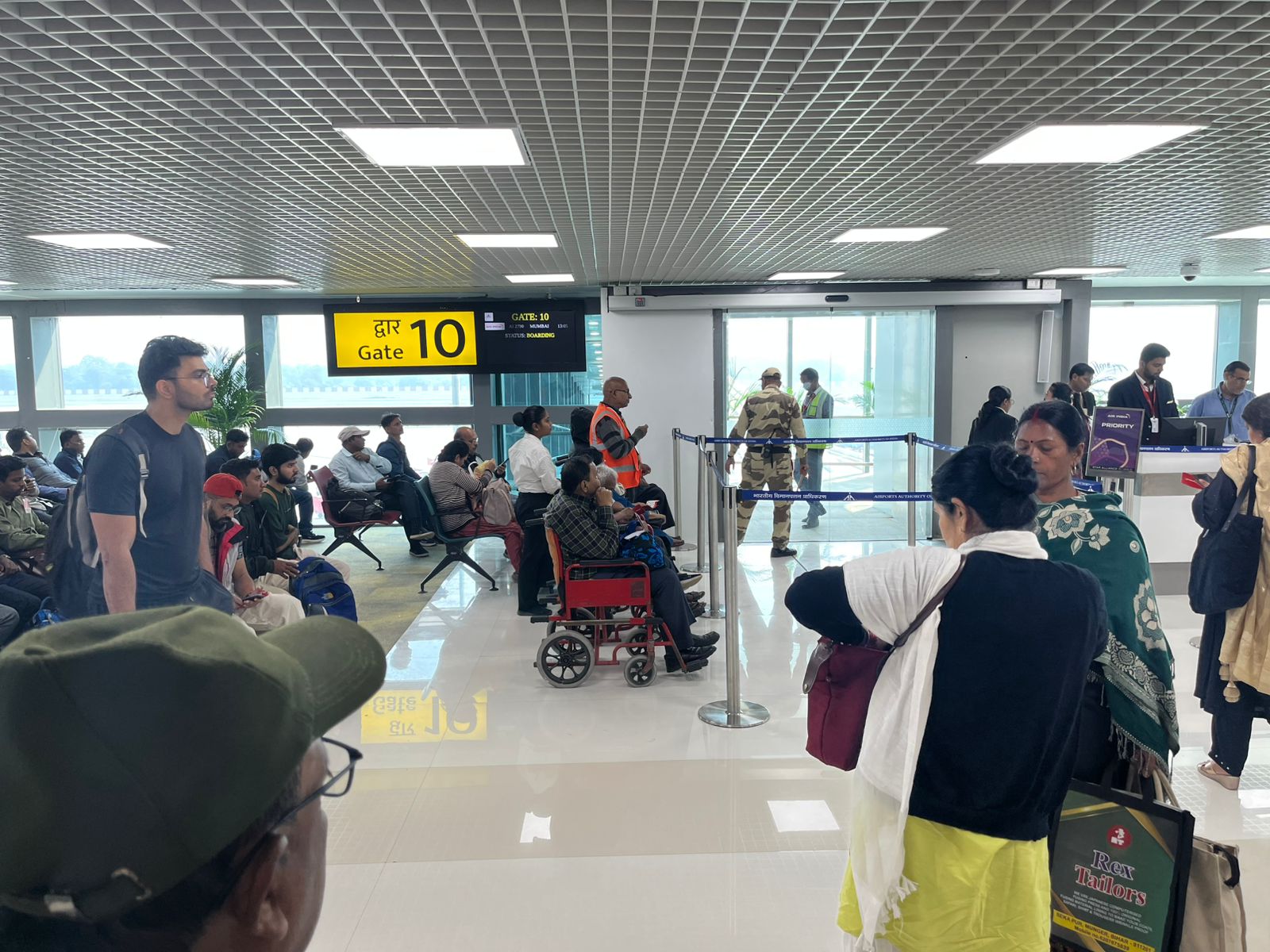
Patna’s primary aviation hub has introduced a set of passenger-focused upgrades, including an affordable café and enhanced high-speed internet services, reflecting a broader shift towards service-led infrastructure in India’s tier-2 cities. The additions at Jay Prakash Narayan International Airport are expected to improve traveller experience while aligning with national efforts to make regional air travel more accessible and digitally enabled.
The newly introduced café operates under a government-backed model aimed at providing low-cost food options within airport premises—traditionally seen as high-cost zones. Alongside this, upgraded Wi-Fi infrastructure has been rolled out to deliver faster and more reliable connectivity across the terminal. For a city like Patna, where passenger volumes have been steadily rising, the move signals a shift from capacity-centric upgrades to service-oriented improvements. Aviation planners note that while physical expansion—such as new terminals and runway enhancements—remains critical, the quality of passenger amenities is increasingly becoming a differentiator for regional airports. The rollout is part of a wider national push to standardise passenger experience across airports, particularly in non-metro locations. The café model has been introduced at multiple airports to ensure affordability, with pricing designed to cater to a broader spectrum of travellers, including first-time flyers. This aligns with the expansion of regional connectivity schemes, which have brought smaller cities into the aviation network.
From an infrastructure standpoint, the upgraded Wi-Fi service reflects the growing importance of digital ecosystems within transport hubs. Seamless internet access is no longer a supplementary feature but a core utility—supporting digital ticketing, remote work, real-time communication and app-based mobility services. Experts highlight that such digital upgrades can improve operational efficiency while enhancing user satisfaction. The development also carries implications for economic activity linked to airports. Improved amenities can increase dwell time within terminals, supporting retail and service ecosystems. For cities like Patna, this creates opportunities for local businesses and service providers to integrate into airport economies, contributing to job creation and micro-enterprise growth. However, urban development specialists caution that service upgrades must be complemented by broader infrastructure planning. As passenger traffic grows, challenges related to last-mile connectivity, congestion and environmental impact will require integrated solutions. Investments in public transport links, energy-efficient systems and waste management within airport zones will be essential to ensure sustainable growth.
In a climate-sensitive context, the evolution of airport infrastructure is increasingly tied to resilience and efficiency. Digital systems, optimised energy use and inclusive service models can help reduce operational strain while improving accessibility for diverse user groups. For passengers, the immediate impact is visible in convenience and affordability. But at a systems level, the initiative reflects a deeper transformation—where airports in emerging cities are evolving into integrated urban nodes that combine mobility, commerce and digital infrastructure. As Patna continues to expand its aviation footprint, the focus is likely to remain on balancing growth with service quality—ensuring that infrastructure development translates into tangible improvements in everyday urban mobility.