


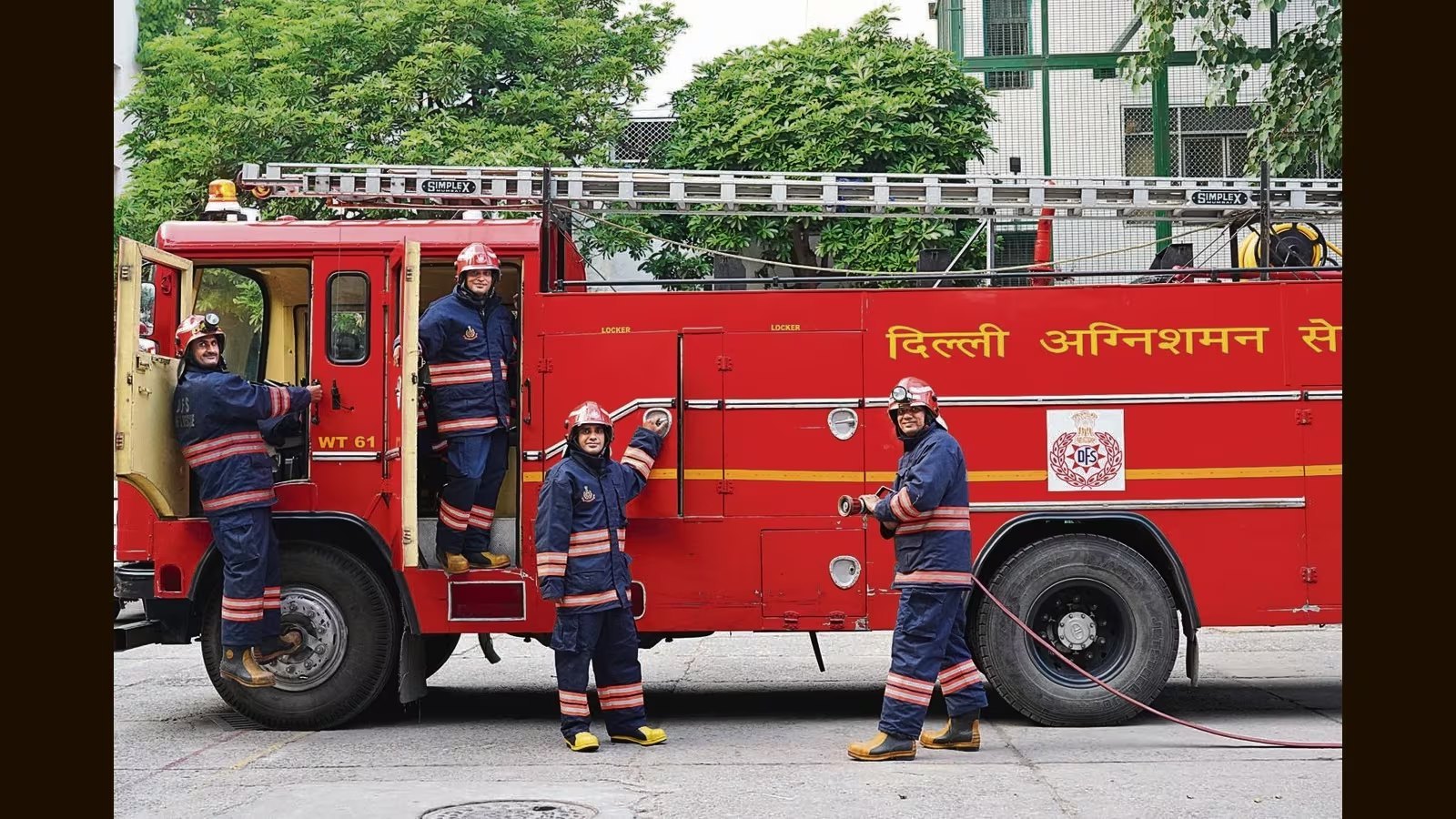
A sharp rise in fire emergencies across Nagpur during the summer months has resulted in property losses exceeding ₹85 crore, highlighting the growing risks associated with extreme heat and urban density in the city. Data from local emergency services indicates that fire incidents typically increase during the peak summer period when high temperatures, electrical overloads and dry conditions combine to create hazardous environments. This year, authorities have recorded a notable spike in calls to the fire department, reflecting both residential and commercial emergencies.
Officials say the increase in incidents underscores the challenges faced by urban fire safety systems as cities expand and infrastructure networks become more complex. The surge in emergencies linked to the Nagpur summer fire incidents has affected a wide range of properties including residential buildings, commercial establishments and storage facilities. Urban safety experts note that summer heat can intensify fire risks in several ways. Higher electricity consumption during hot weather places additional stress on electrical wiring and appliances, increasing the likelihood of short circuits. In commercial areas, storage of flammable materials and overcrowded electrical systems can further amplify these risks. The Nagpur summer fire incidents have also drawn attention to fire preparedness within densely populated urban neighbourhoods. In many older parts of the city, narrow streets and closely built structures can make firefighting operations more challenging when emergencies occur. Emergency response teams say rapid detection and quick response times are critical to preventing fires from spreading. Fire stations across the city have been responding to a mix of incidents including electrical fires, warehouse blazes and residential accidents. Urban planners say the rise in fire-related emergencies reflects the importance of integrating safety considerations into city infrastructure. Fire hydrant networks, accessible roadways and building safety compliance all play vital roles in managing urban fire risks. Public safety specialists emphasise that regular maintenance of electrical systems is one of the most effective preventive measures during summer months. Overloaded circuits, damaged wiring and outdated electrical installations remain among the most common causes of fires in urban buildings. Authorities have urged residents and businesses to take precautionary steps, including inspecting electrical equipment, avoiding overuse of extension cords and ensuring that fire extinguishers are accessible in workplaces and residential complexes. The increase in Nagpur summer fire incidents also highlights the need for greater public awareness about fire safety. Training programmes and community awareness campaigns can help residents respond quickly and reduce damage when emergencies occur.
Municipal officials say strengthening fire safety infrastructure will remain a priority as Nagpur continues to expand. Investments in firefighting equipment, improved emergency response systems and stricter safety enforcement are essential to managing risks in growing urban environments. As the summer season continues, authorities expect fire departments to remain on high alert. The recent surge in emergencies serves as a reminder that urban resilience depends not only on infrastructure development but also on strong safety systems that protect residents and property.
ALSO READ – Nagpur Ashok Chowk Flyover Boosts Urban Connectivity
Nagpur Fire Department Reports Seasonal Emergency Spike
