Panchkula Census Rollout Marks Digital Governance Shift
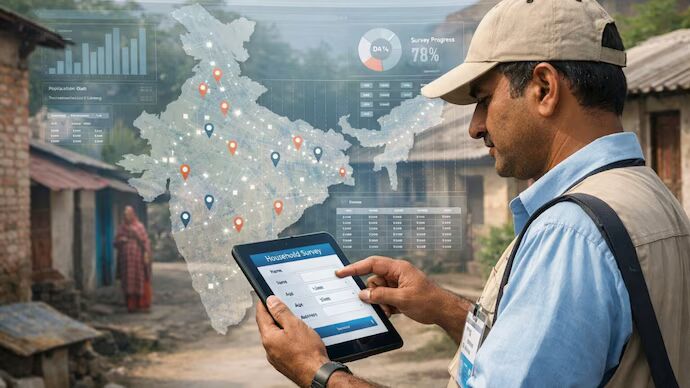
Panchkula is set to become the starting point for India’s next population census cycle, with the first phase of Census 2027 scheduled to begin on May 1, marking the country’s transition to a fully digital enumeration system. The rollout is expected to redefine how demographic and housing data is collected, with implications for urban planning, service delivery and governance frameworks.
The initial phase—known as the House Listing and Housing Census—will involve a detailed mapping of residential units, capturing data on housing conditions, infrastructure access and basic amenities such as water supply, sanitation and electricity. This dataset will form the foundation for the second phase, planned for early 2027, which will focus on individual-level demographic and socio-economic information. What sets this exercise apart is its fully digital architecture. Enumerators will use mobile devices and online platforms to record data in real time, replacing traditional paper-based methods. Officials indicate that this shift is intended to improve accuracy, reduce delays and enhance transparency in one of the world’s largest data collection exercises. The Panchkula digital census 2027 rollout also reflects broader institutional changes in how governments approach data governance. By integrating digital tools, the census aims to create interoperable datasets that can support evidence-based policymaking across sectors such as housing, transport, health and urban infrastructure.
Preparatory work has included pilot testing of digital systems in select districts, along with a multi-tier training framework for enumerators and supervisors. This approach is designed to ensure consistency in data collection and minimise operational disruptions during field execution. Urban development experts note that the census plays a critical role in shaping city planning decisions. Data on housing typologies, access to services and population density directly informs infrastructure investments, zoning regulations and welfare programmes. In rapidly urbanising regions, the availability of accurate and timely data is essential for addressing gaps in service delivery and ensuring equitable growth. The introduction of digital features, including the possibility of self-enumeration, signals a move towards citizen participation in data systems. This could reduce administrative burdens while improving data accuracy, particularly in urban areas with higher digital penetration.
However, challenges remain. Ensuring digital access across diverse socio-economic groups, maintaining data privacy and building institutional capacity will be critical to the success of the exercise. Experts caution that while technology can streamline processes, the credibility of the census will depend on robust verification mechanisms and inclusive implementation. The Panchkula digital census 2027 initiative thus represents more than a statistical exercise—it is a foundational shift in how India measures and manages its urban and demographic transformation. As the first phase unfolds, its execution will set the tone for a nationwide process that underpins policy, planning and resource allocation for the next decade.