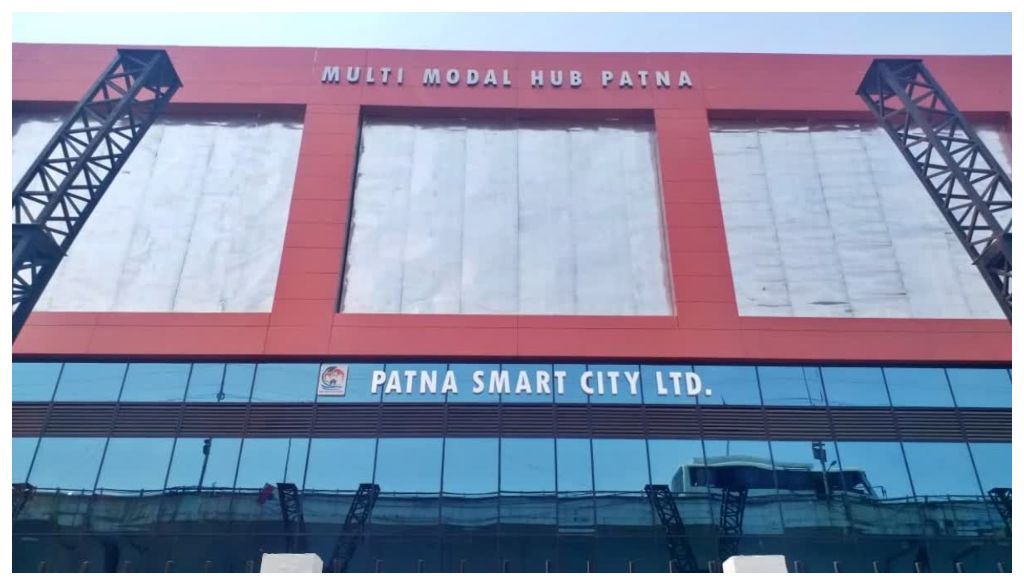
Patna Smart Transport Hub To Boost Metro Efficiency
Patna’s metro project is set to incorporate a centralised command centre designed to manage operations, safety and passenger systems in real time, marking a critical step in the city’s transition towards data-driven urban mobility. The facility, currently nearing readiness, is expected to serve as the digital backbone of the metro network, enabling more efficient and reliable public transport across Bihar’s capital.
The command centre will integrate multiple functions, including train movement monitoring, emergency response coordination and passenger information systems. By consolidating operational control into a single hub, authorities aim to reduce delays, improve safety protocols and ensure seamless communication across the network. This development comes as the Patna metro command centre becomes increasingly central to the city’s broader smart mobility ambitions. With parts of the metro already operational and the full network under phased construction, digital oversight systems are being prioritised to manage growing commuter volumes and complex transit flows. Urban transport experts note that such command centres are no longer optional in modern metro systems. They function as integrated control rooms that use data analytics, surveillance inputs and automated alerts to optimise service frequency, manage crowd density and respond to disruptions. In rapidly growing cities like Patna, where transport demand is rising alongside population growth, these systems can significantly enhance operational resilience.
The initiative also aligns with broader trends in Indian urban infrastructure, where transport projects are increasingly embedded with smart technologies from the outset. Features such as real-time tracking, automated signalling and integrated ticketing systems are expected to complement the command centre’s capabilities, creating a more cohesive transit ecosystem. From a sustainability perspective, improved operational efficiency can contribute to reduced energy consumption and lower emissions by optimising train frequency and minimising idle time. As cities look to decarbonise mobility, such digital systems play a crucial role in making mass transit more attractive and reliable compared to private vehicle use. The Patna metro command centre also reflects a shift in governance models, where infrastructure is managed through continuous monitoring rather than periodic intervention. This allows authorities to anticipate issues—such as congestion spikes or technical faults—before they escalate, improving service reliability for commuters.
However, the long-term success of the system will depend on institutional capacity, data security frameworks and integration with other urban systems such as buses and last-mile connectivity networks. Without these linkages, the benefits of centralised control may remain limited to the metro network alone. As Patna continues to expand its metro footprint, the command centre is expected to play a pivotal role in shaping how the city moves—transforming transport infrastructure from a static asset into a responsive, technology-enabled public service.